- Insights This article was written by a TIA community member. Insights pieces undergo the same rigorous editorial process that newsroom-produced articles have.
 Ganes Kesari · · 6 min read
People are crazy for deep learning. Here’s a simple explainer.
Deep learning has created a perfect dichotomy: data practitioners rave about it and their colleagues jump in to learn and make a career out of it.
And then, there is everyone else who is wondering what the buzz is all about. For people on the business side, there’s no easy way to get a simple and intuitive understanding.
Here’s an attempt to demystify and democratize the understanding of deep learning (DL) in simple English. I promise not to show you pictures of human brains or a spider web of networks. 🙂
What is deep learning?
Let’s start with the basic premise of machine learning (ML).
The attempt is to teach machines how to get to a desired outcome when presented with some input. Say, when shown the past six month’s stock prices, a machine can predict tomorrow’s value. Or, when presented with a face, it can identify the person.
The machine learns how to do things like this, obviating the need for laborious instructions every time.
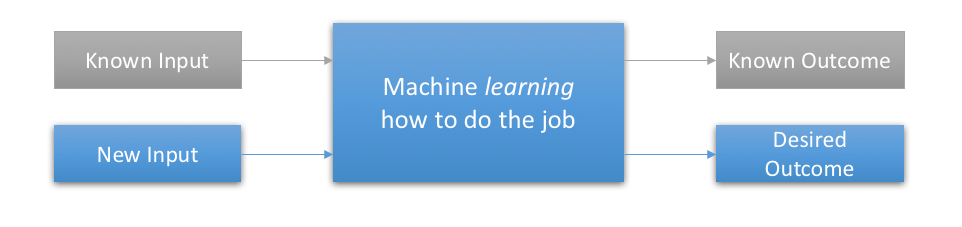
DL is just a disciple (or discipline) of ML; it does the same thing but in a much smarter way.
Let me explain this by using a simple example of face detection.
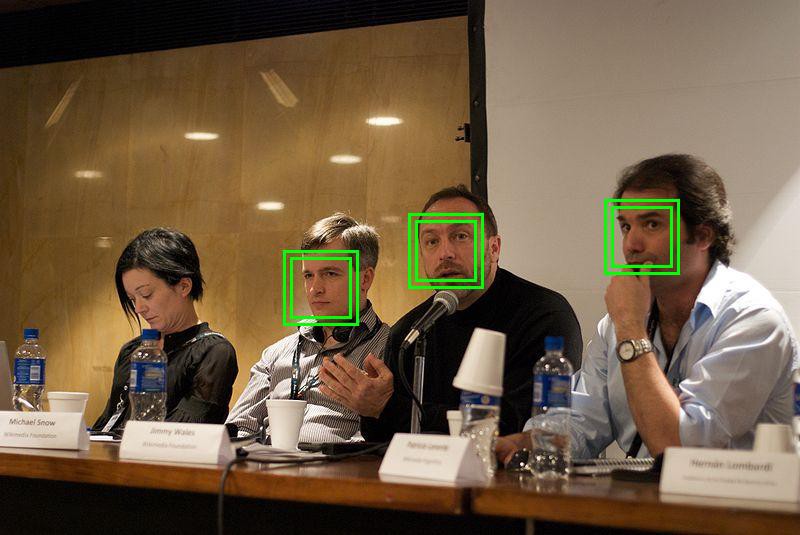
Photo credit: Beatrice Murch and derivative work by Sylenius
Traditional face recognition using ML involves first manually identifying noticeable features on a human face (such as eyes, eyebrows, and chin). Then, a machine is trained to associate every known face with these specific features. Now, show a new face, and the machine extracts these preset features and does a comparison to get the best match.
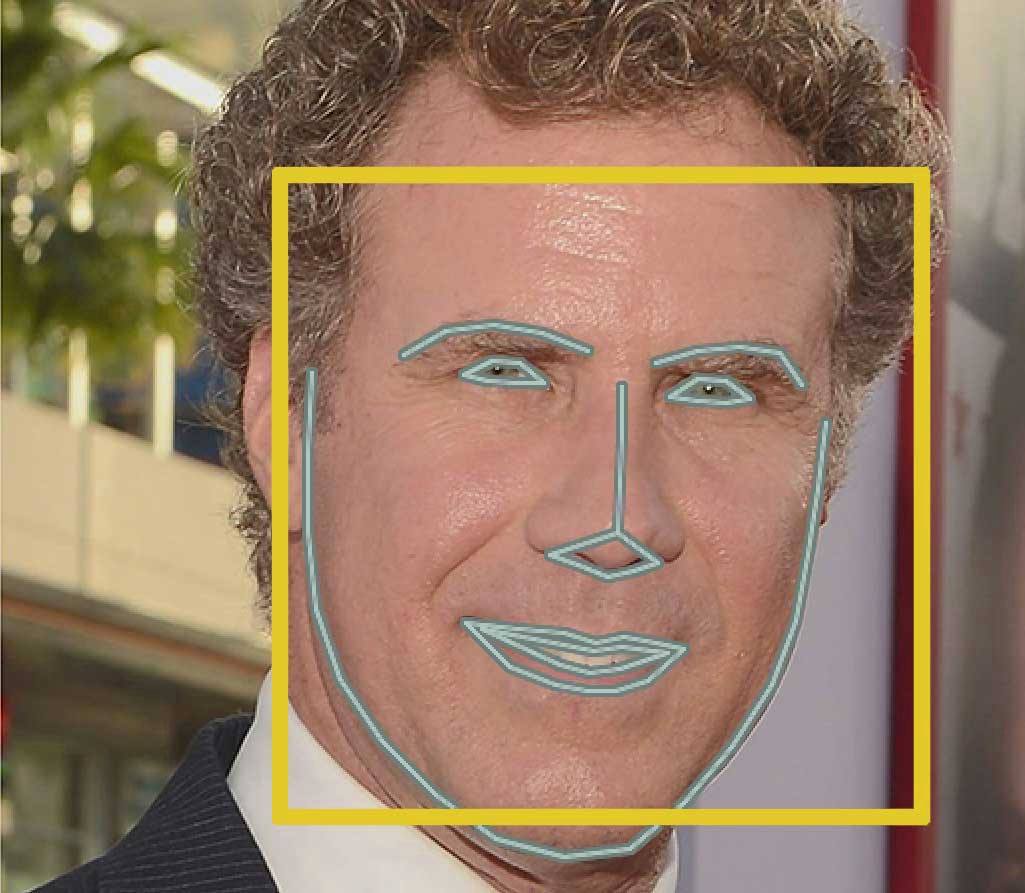
Photo credit: Adam Geitgey
But, why do they always show pictures of the human brain?
Is this such a big deal for machine learning?
What use does a pattern identification machine have for business?
Is there a catch?





Stay updated on the go with our mobile app.
Get latest insights with smoother, more personalized experience through TIA mobile app.