From South Korea to China, tech-savvy users had their first taste of 5G’s lightning-fast internet speeds just months ago.
While the network promises a future of self-driving cars and data-fueled cities, tech companies and research facilities in China and around the world are already looking into 6G, the next generation of internet networks.
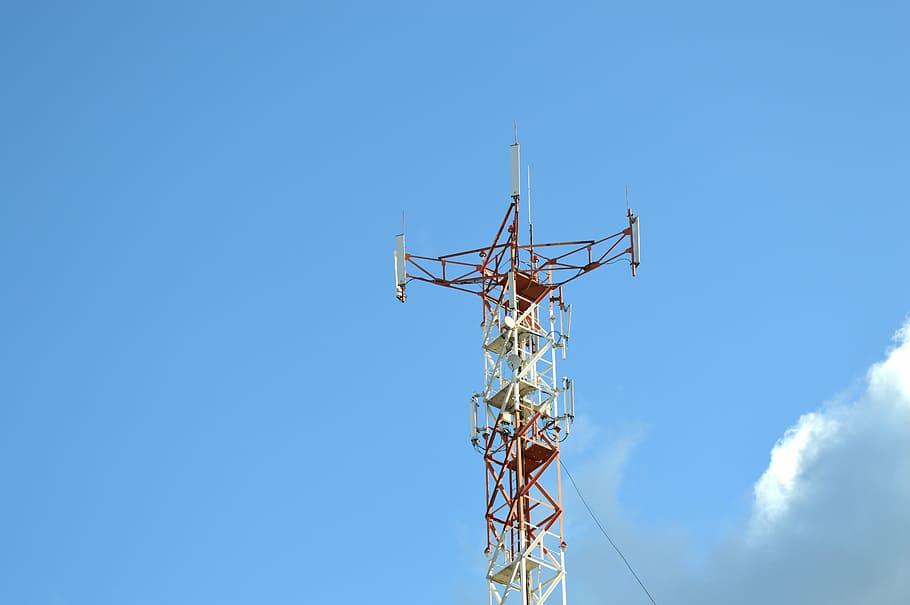
Photo credit: Pxfuel
Sixth-generation mobile networks will reach speeds of one terabyte per second by some estimates. That’s 100 times the rate of even the best existing technology, but is expected to take a decade to roll out.
In that time, competitors in the race to dominate the technology will have to grapple with geopolitical tensions and work out exactly how it will be applied.
While 6G is in the early stages, 5G technology is already a major source of trade tension between China and the US as defense systems incorporate cutting-edge wireless technologies.
Chinese technology giant Huawei, one of the world’s leading 5G equipment vendors, has been accused by the US of being a security threat for its alleged ties to the Chinese Communist Party.
Huawei has repeatedly denied the accusations and says it is already researching 6G networks.
China is also working at a national level on the technology, forming a team of specialists from universities, think tanks, and private companies to oversee its development.
The initiative, spearheaded by the Ministry of Industry and Information Technology but involving several other ministries, “will create a solid scientific foundation for the development of the telecommunications industry as well as building a nation of innovation,” Wang Xi, vice minister for science and technology, told a conference in Beijing in November.
China is not alone in the quest for 6G: the University of Oulu in Finland was awarded 250 million euros (US$279 million) in April 2018 for the world’s first program dedicated to researching 6G, according to a release on the university’s website.
And Japan pledged US$2 billion in November to help companies research 6G as part of a stimulus package announced by Prime Minister Shinzo Abe’s government, Nikkei Asian Review reported at the time.
But experts in the telecommunications industry say the applications of 6G are far from certain.
“The real answer is that we don’t know. We can just speculate,” said Zahid Ghadialy, principal analyst at London-based tech consultancy 3G4G.





Stay updated on the go with our mobile app.
Get latest insights with smoother, more personalized experience through TIA mobile app.