 Meng Jing · · 4 min read
China is at the crossroads of semiconductor development, says US expert
China’s heavy dependence on foreign chips has worried Beijing for decades.
Just like Washington thinks including Chinese vendors in its telecom network could pose a national security threat, Beijing also believes that a reliance on Western chips is a sword hanging over the head of its booming digital economy.
The desire to cut reliance on foreign chips and become a global leader in the semiconductor industry has never been stronger in Beijing than it is now. The urgency around the issue has increased amid an escalating trade war and after Chinese telecom giant Huawei Technologies was banned in May from buying American-made technology – meaning chips, mostly – which it relies on to expand its global empire.
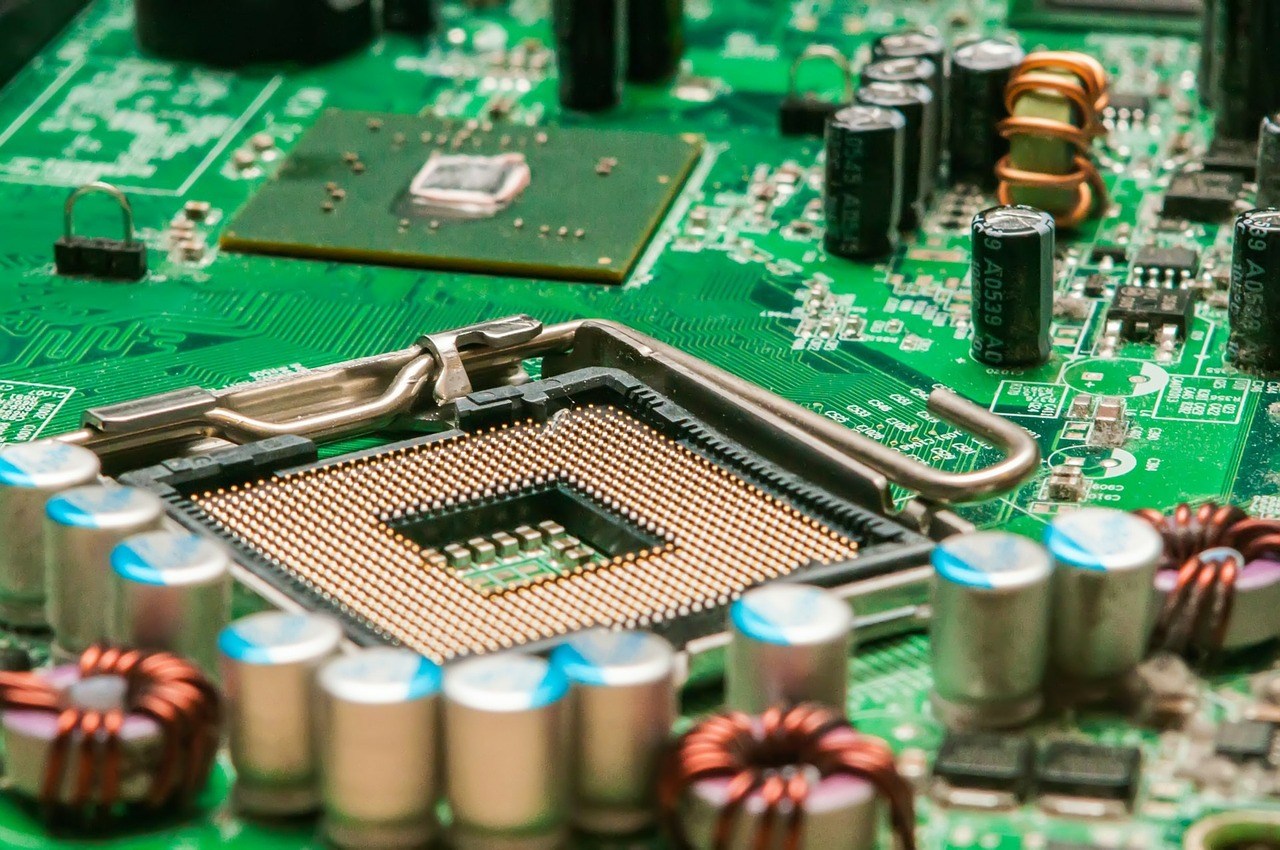
Photo credit: Pixabay
After several failed attempts, China now has a more solid foundation in tech, a better talent pool, and a huge market. It is in a better position to take on the US, which still leads the global semiconductor industry, accounting for half of the US$400 billion in global annual sales of chips.
With massive government funding, focused industrial policies, and government targets, can China pull it off this time?
Jimmy Goodrich, vice president of global policy at the Semiconductor Industry Association, a US trade group representing some of the biggest names in the industry from Intel to Broadcom, spoke about some of these issues with the Post recently.
Only 16% of the semiconductors used in China are produced in-country, and only half of these are made by Chinese firms. Is China really that bad in semiconductors?
It is really important to look at where China is in the overall value chain. The country is an integral part of a global semiconductor value chain in that it is the single largest end market for chip sales.
Many of the world’s largest consumers of chips and leading electronic companies have their supply chains in China. A big proportion of the electronics – smartphone, laptops, personal computers, televisions – are assembled in China. Because of that, the country does indeed import more chips than oil.
A lot of Chinese policymakers look at that number and say, “We have a huge deficit.”
In reality, what is happening is that more than half of the semiconductors that come to China are reexported for external trade. A tremendous amount of wealth and manufacturing jobs have been created because of this.
That contribution should neither be ignored nor misinterpreted to tell an inaccurate story that China consumes too many semiconductors – in turn justifying huge government spending to solve a problem that may not exist.
Will China’s state-led approach work in the semiconductor industry?





Stay updated on the go with our mobile app.
Get latest insights with smoother, more personalized experience through TIA mobile app.











📅 Upcoming Events
22 October 2026
Payoneer x CSPN Summit 2026