Photo credit: supernam / 123RF.
While all the headlines say that virtual reality is the next big thing in China, an US$820 million industry in 2016 growing to a projected US$8 billion by 2020, a number of people are saying the very opposite – that the supposed boom is actually a big bust.
Of an estimated 35,000 VR arcades that last year popped up around China, only less than half or around 12,000 are still in operation, according to iHeima, a well-established Chinese business news site.
Only about 20 percent of those arcades are making any money.
Enterprising store owners leaping into VR are finding it impossible to charge fees comparable to cinemas or bowling alleys for a VR experience. One VR arcade owner told iHeima that he saw eager queues when charging US$1.50 for a 30-minute session, but everyone vanished when it rose to US$5. From that kind of revenue it’s impossible to pay the rent.
Hard sell
People are not buying VR hardware either.
90 percent of Chinese startups producing VR headsets have gone bankrupt, according to data cited by state-owned news outlet China.org. And manufacturers that turned to VR are now – just as many abandoned hoverboards – going out of business or changing their assembly lines to make something else.
“There were about 200 to 300 firms engaged in producing VR helmets in 2015, but now no more than 10 companies remain functioning,” said Fang Wenxin, who started a VR business in 2015 that eventually went bust.
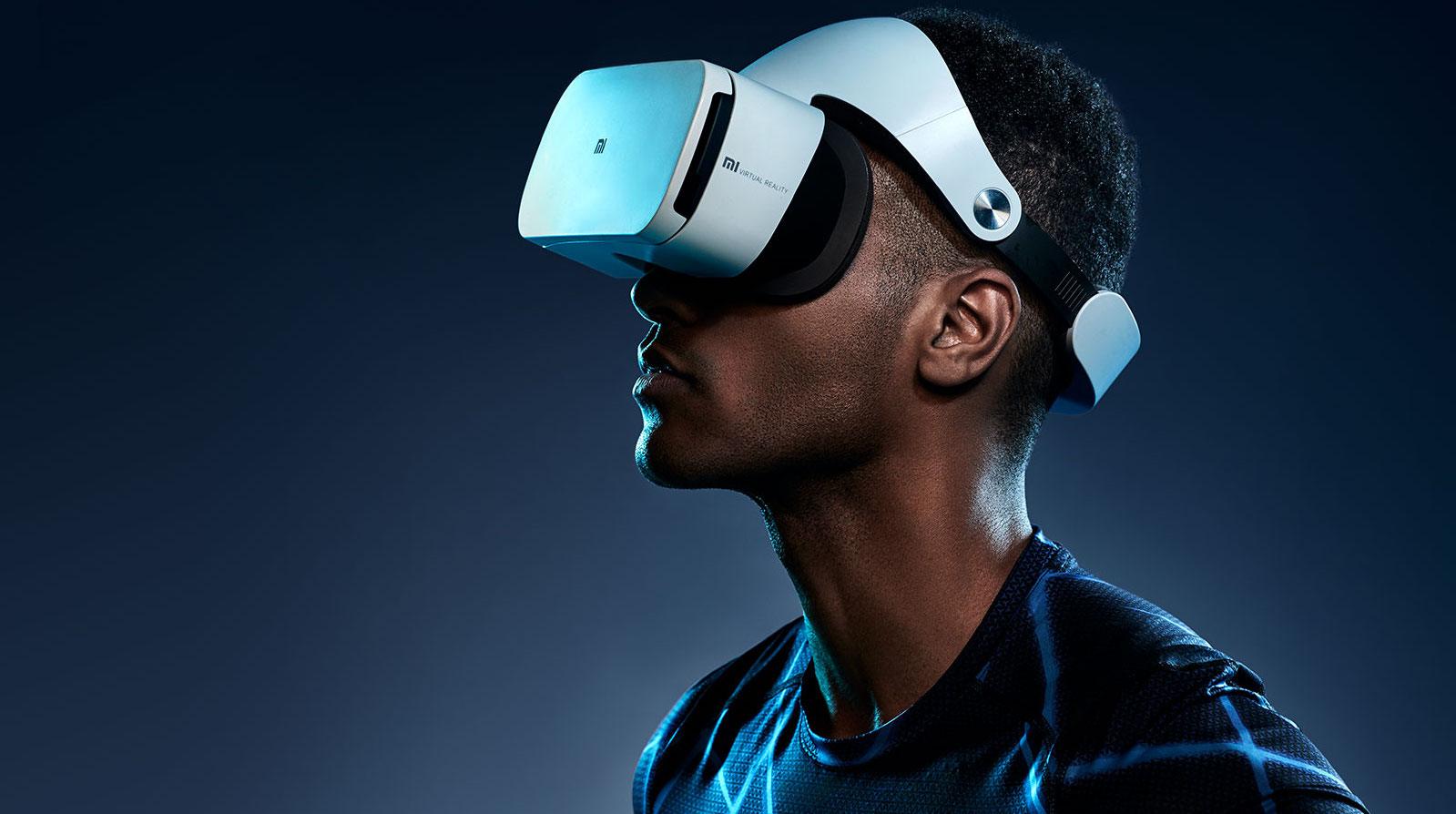
US$30 Xiaomi VR brings the price down by using your phone. Photo credit: Xiaomi.
China’s lukewarm reception to VR mirrors western markets.
Demand for VR headsets has been disappointing, with estimated sales figures below both analysts’ and brands’ expectations.
20 percent of China’s VR arcades aren’t making any money.
Not even Sony, the biggest name involved in VR, has been immune. Its PlayStation VR was downgraded by a research group in November, slashing projected sales from 2.6 million to below 750,000 in 2016. The gadget was hotly anticipated as it’s powered by Sony’s popular gaming console, negating the need for a powerful PC.





Stay updated on the go with our mobile app.
Get latest insights with smoother, more personalized experience through TIA mobile app.