
Adi Tatarko. Photo credit: Houzz.
Houzz’s rise from a bootstrapped side project to a multi-billion dollar company is a story most startups can only dream of. A husband-wife duo starts renovating their house. Their own painful experience inspires them to build a product that becomes a company. Over the next eight years, that company grows into an international empire with offices all over the world, and more than 40 million monthly unique users.
Their secret sauce? Listening to users – and bootstrapping.
“In terms of the community, we were the first two users, Alon and I,” Adi Tatarko, co-founder of Houzz, told audience members at Tech in Asia Singapore yesterday. “We put our user experience as well as our small community’s user experience – we started with 20 parents from our kid’s school – as our top priority.”
“We said this is something that we’re not going to compromise,” she emphasized.
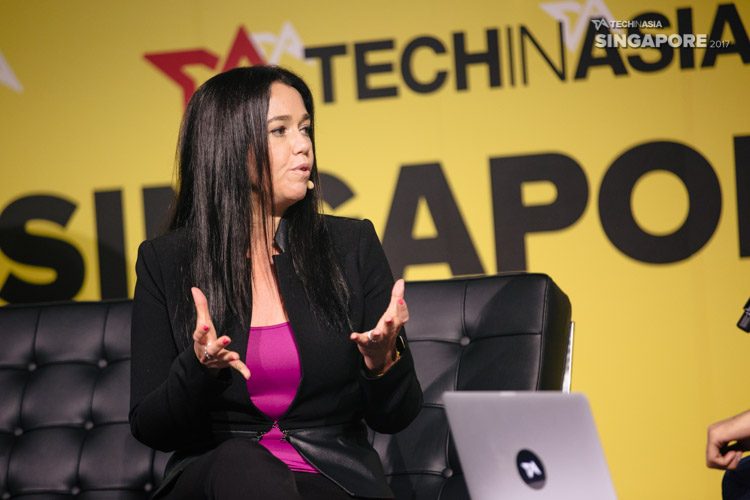
Photo credit: Tech in Asia.
User-centered design is by no means a unique approach – and for some companies, it’s more PR than product strategy. But for Houzz, it’s resulted in a number of key, strategic decisions. The initiative to take the Silicon Valley-based startup overseas, for instance, was prompted by Houzz’s users who were interested in European and Asian design. Houzz’s marketplace, which sells products like bathtubs and candles, was also a request from users. Launched as a beta in 2014, the marketplace now offers over eight million products.
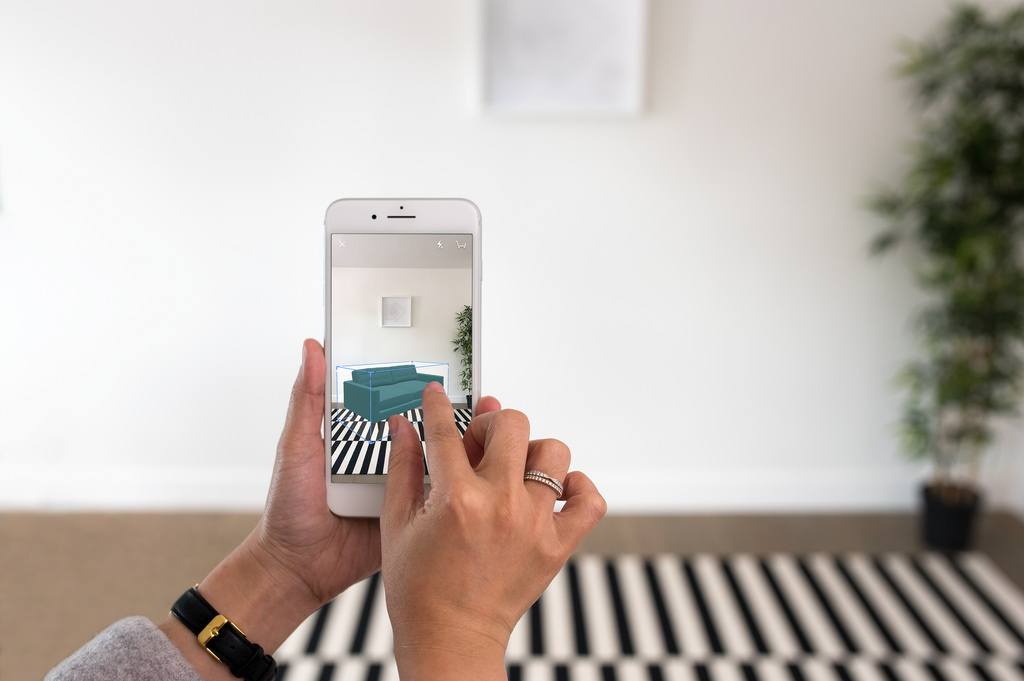
Photo credit: Houzz.
This approach of staying sensitive to user feedback has also helped the US company localize its products and content for users all over the world. Today, Houzz has launched products in 15 markets outside of the US, such as Singapore, India, and Russia.
“It’s not just what we imagine you need, it’s what you’re telling us you need,” explained Tatarko.
It’s not just what we imagine you need – it’s what you’re telling us you need.
Every market is unique. In Singapore, for instance, users are more interested in small spaces and how to maximize them. In contrast, homeowners in the US might want to see pictures and other content focused around single family homes. Japan’s home-owning landscape is even more quirky, with most people buying new homes and spending their whole lives in them, instead of purchasing second-hand houses.
The magic of bootstrapping





Stay updated on the go with our mobile app.
Get latest insights with smoother, more personalized experience through TIA mobile app.