- Premium Content It takes our newsroom weeks - if not months - to investigate and produce stories for our premium content. You can’t find them anywhere else.
 Emmanuel Samarathisa · · 8 min read
Capital A faces funding setback in super-app push
Capital A co-founder Tony Fernandes has been on a public relations blitz ever since his group restructured, changed its name (it was previously AirAsia), and pivoted to tech.
His sales pitch: Capital A will survive the Covid-19 pandemic and stage a roaring comeback.
To headline its efforts, the group embarked on a major fundraising push, aiming to collect 2.5 billion ringgit (US$592 million).
The hype, however, dissipated when negotiations for one of the main sources of funding for the tranche – a 500 million ringgit (US$118 million) club facility backed by state-owned financial insurer Danajamin – broke down.
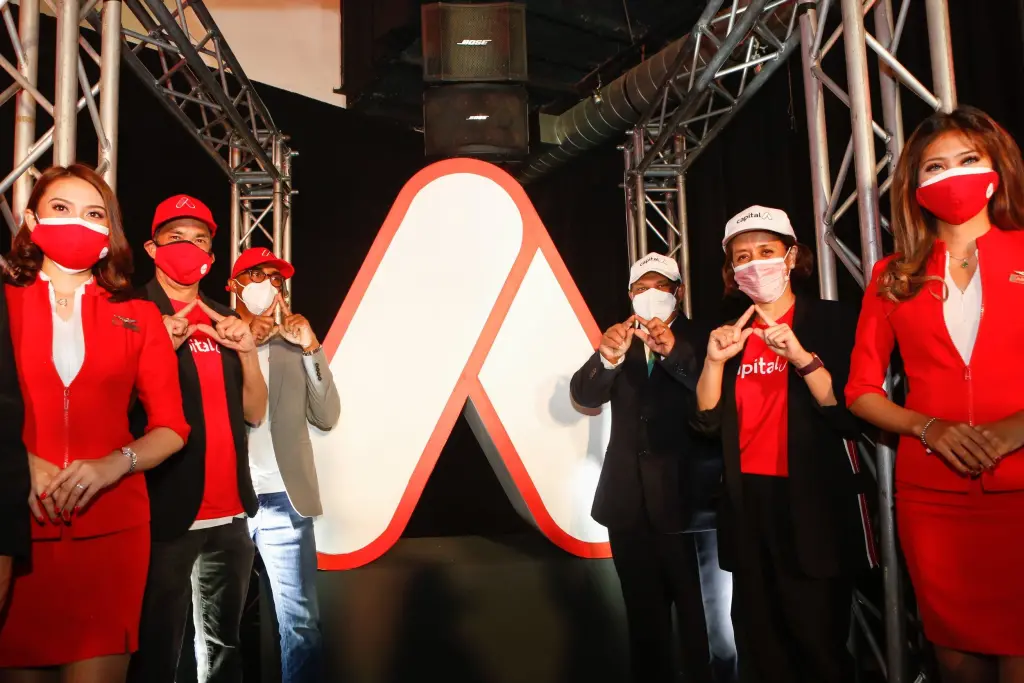
Photo credit: Capital A
The Danajamin-backed loan was a game changer for Capital A, which was reeling from the effects of pandemic-induced restrictions.
On October 5 last year, Capital A received the necessary approvals from Danajamin for a club facility. The guarantee from the Malaysian government “is a strong signal of support,” the group said in a statement.
All of this came undone when Fernandes and Capital A co-founder Kamarudin Meranun announced on March 11 that they would be rejecting the loan, citing Danajamin’s requirement that the two founders act as guarantors, among other issues.
In a statement, Fernandes said that they felt it was unfair that Danajamin expected them to be the sole guarantors, as the duo only collectively holds about 25% of the company.
Kuala Lumpur-based investors Tech in Asia spoke to were divided over Danajamin’s terms and conditions. Some agree with Fernandes that the burden should be shared with all shareholders, while others believe the founders should have taken the risk.
But the investors agree that without the Danajamin guarantee, Capital A would be pressured to raise funds to expand operations and diversify, taking its focus away from making most of the “pent-up demand for travel” that will benefit the group once Malaysia opens its borders on April 1.
Any hint of recovery, they say, will only likely happen in 2023.
Exacerbating matters is that on January 7 this year, Capital A dropped to PN17 status, a tag given by the Bursa Malaysia (the country’s stock exchange) for financially distressed firms. PN17 companies are given 12 months to submit a regularization plan to the bourse for approval or face delisting.
Door “remains open”
As part of the 2.5 billion ringgit funding, Capital A has successfully raised 1 billion ringgit through a rights issuance, which also saw Fernandes and Kamarudin personally injecting 253.7 million ringgit of the amount.
Progress still up in the air
Tricky tech pivot
Home is where the battle is
In search of a break
Stay ahead in Asia’s tech landscape
This is premium content. Subscribe to read the full story.
Capital A is seeking aviation and tech hegemony, but after missing out a crucial injection of funds, the group’s ambitions have hit yet another roadblock.
We know this is not ideal. ⌛ Sign up in 20 seconds. Cancel anytime.
Our subscriber community includes professionals from these companies:





Stay updated on the go with our mobile app.
Get latest insights with smoother, more personalized experience through TIA mobile app.