- Premium Content It takes our newsroom weeks - if not months - to investigate and produce stories for our premium content. You can’t find them anywhere else.
 Melissa Goh · · 5 min read
Hoolah is tapping into a growing millennial demand to ‘buy now, pay later’ in Asia
Suppose you were deliberating whether or not to purchase a US$1,500 television online. Instead of paying the full amount upfront, you’re now offered an option to pay just one-third of the price upfront, and spread out the remaining sum over the next two months. It’s a free-to-use option with zero interest, assuming subsequent payments are made on time.
For many, the choice could mean the difference between a purchase and an abandoned cart.
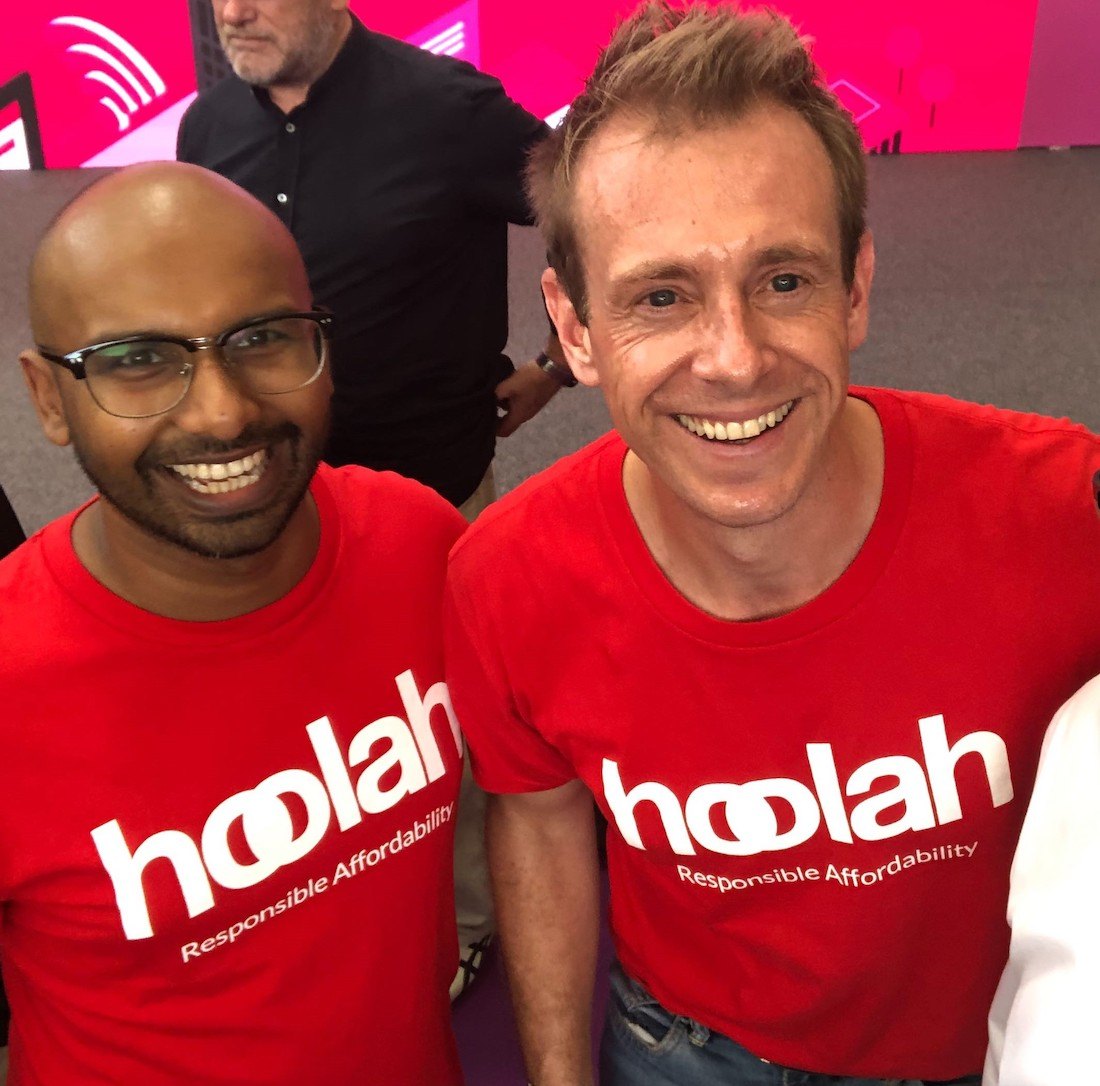
Hoolah COO Arvin Singh (L) and CEO Stuart Thornton (R) / Photo credit: Hoolah
Hoolah, a Singapore-based startup that offers such installments, says its service has increased average transaction values by up to 50% and conversion rates for merchants by 35%, on average.
Founded in 2017, the company is part of a growing trend of buy-now-pay-later platforms looking to tap into the millennial market – one of the fastest-growing segments of ecommerce globally.
The firm recently announced an eight-figure series A fundraise, counting investors like Genting Ventures – the subsidiary of multinational firm Genting Group – and former Lazada CEO Max Bittner. The investment will go into expanding its presence in Malaysia and building out its omnichannel capabilities.
Its partnership with Genting Group could also propel its ambitions to expand into the travel and leisure segments, as the Malaysian conglomerate operates hotels, theme parks, and cruise lines across the globe.
‘Paying later’ in developed markets
For Hoolah co-founders Stuart Thornton and Arvin Singh, the millennial demand for credit is universal. “It’s not always about affordability. It’s about cash flow for consumers, about the younger generation shifting from perhaps a desire to use debit cards rather than credit cards for transactions,” says Thornton, who is also the startup’s CEO.
While pay-later firms are a growing force in Indonesia where they serve a large unbanked population, there’s a huge potential in developed markets as well, as companies like Affirm and Afterpay show.
US-founded Affirm, which serves over 3,000 merchants, says that half of its customers are millennials or Generation Z.
Startups like Hoolah essentially offer what credit cards already do, but are free to use. Zero-interest installment plans also appeal to consumers’ unwillingness – and sometimes inability – to pay for big-ticket items upfront. Late-payment charges for these platforms are often more transparent, too.

Hoolah team / Photo credit: Hoolah
Hoolah, for example, imposes a late fee capped at S$30 (US$21) on outstanding charges that add up to S$1,000 (US$713) and above and less for lower amounts. Its late fees are not meant to serve as a revenue stream but to “motivate the right behaviors on repayments,” Singh says.
Profitability concerns
Enter the payments giants
Stay ahead in Asia’s tech landscape
This is premium content. Subscribe to read the full story.
While pay-later firms are a growing force in Indonesia where they serve a large unbanked population, there’s a huge potential in developed markets as well.
We know this is not ideal. ⌛ Sign up in 20 seconds. Cancel anytime.
Our subscriber community includes professionals from these companies:





Stay updated on the go with our mobile app.
Get latest insights with smoother, more personalized experience through TIA mobile app.