 Paul Bischoff · · 4 min read
From banking to bitcoin, this entrepreneur wants to build a more dependable exchange

A couple weeks ago, I bought my first bitcoin and gave a few tips for how to find a reputable exchange to buy from. But with so few regulations surrounding the cryptocurrency, there’s hardly any guarantee that an exchange which exists today will still be here tomorrow.
"90 or 95 percent of exchanges don’t have a transparent relationship with their bank," says Aurélien Menant, founder of new exchange Gatecoin. He says most exchanges use a fake name and falsify their account activity to hide the fact that they’re running bitcoin exchanges.
That lack of transparency puts the end user at risk. If a bank finds out the real account activity of the bitcoin business, it could freeze its assets. Exchange customers who have cash stored with that exchange and want to withdraw may not be able to get their money back.
This is the type of risk Gatecoin is trying to mitigate. The Hong Kong-based startup maintains a close and transparent relationship with its banking partner, which Menant asked not to be named (though you can find out if you make a trade on the exchange). A former investment banker, he developed a strong network in the banking space and financial industry, which he used to his advantage when building the exchange.
This strong ties to an established bank works to Gatecoin’s advantage on a couple fronts. First, Gatecoin can keep its customer assets and its own operational account separate. On less transparent exchanges, all the money is dumped into one account. Even if an exchange stores the money in two accounts, without this sort of partnership with a bank, all the money would be considered the property of a single account holder. That means if anything goes awry, all of it is compromised. Gatecoin’s method ensures that customers’ assets are protected even if the exchange itself is compromised.
Secondly, Menant says, "Due to our banking structure we can accept and process large transactions." Those high-volume customers are Gatecoin’s target customers. They include bitcoin miners, payment processors that use bitcoin to fulfill transactions, bitcoin-based businesses, and investors – such as individuals and hedge funds – speculating on the price of bitcoin.
Built from the ground up
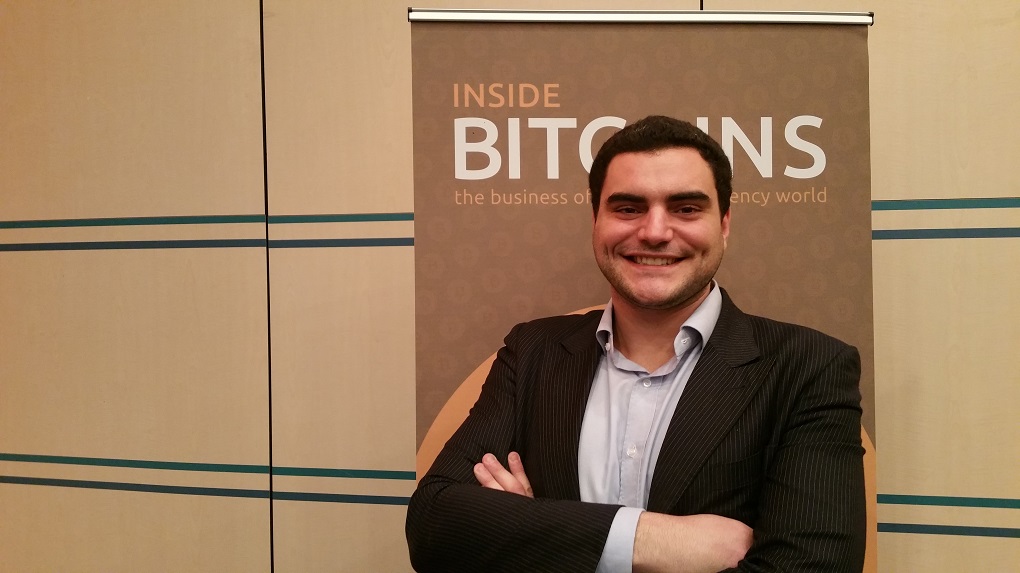
Menant quit his job in finance and started working full time on Gatecoin around the second quarter of 2013. He and his team spent nearly two years mainly developing the exchange’s bespoke trading engine. Gatecoin finally soft-launched just four days ago.
The engine allows transactions to be made in just a few milliseconds. It’s modular, which means different parts of the trading system are stored on different servers with firewalls in between. That makes it more secure and more stable, explains Menant. "It’s similar to what I’ve used at investment banks."
Customers’ bitcoin assets are kept in cold storage, which makes it nearly impossible for hackers to access. Ripple deposits, advanced orders, and the inclusion of other emerging digital currencies are all in the pipeline.
Will that be cash or coin?
While Menant wants Gatecoin to be the go-to exchange for high-volume traders, he first needs to penetrate the market on a consumer level. To do this, Gatecoin has already sold 15,000 prepaid debit cards to merchants in the US and Australia. These white-labeled cards can be loaded with bitcoin and used wherever MasterCard is accepted.





Stay updated on the go with our mobile app.
Get latest insights with smoother, more personalized experience through TIA mobile app.












📅 Upcoming Events
22 October 2026
Payoneer x CSPN Summit 2026