 Paul Bischoff · · 2 min read
Tencent and Baidu-backed Wanda buys stake in Alipay competitor
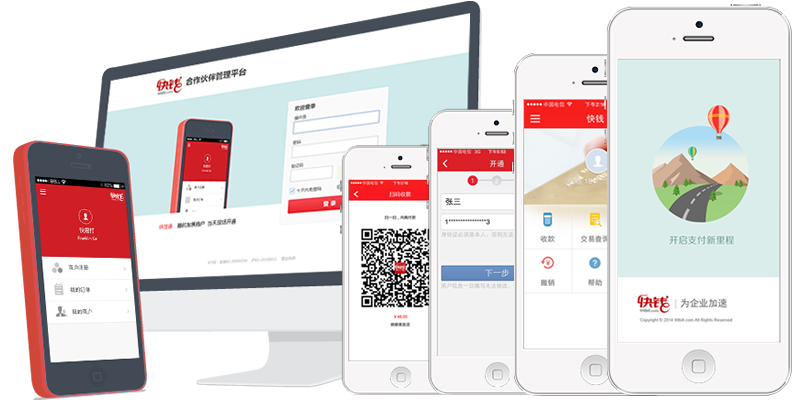
Wanda Group, the brick-and-mortar business conglomerate that formed a US$814 million joint venture with Baidu and Tencent, announced today it bought a stake in 99Bill, an online payment company, according to QQ Tech.
The terms of the deal were not disclosed, but some sources familiar with the deal reported a sum of RMB 2 billion (US$322 million) to Chinese media. It’s not clear if Wanda took a minority or majority stake.
99Bill, also known as Kuaiqian, will continue to operate as an independent entity. It’s essentially an alternative to Alibaba’s popular Alipay online payment system. The company makes several electronic payment-related products, including a mobile wallet, mobile point-of-sales device, microcredit loans, cloud-based business accounting software, and payment processing for cash, bank cards, recharge cards, Paypal, and more. 99Bill can only be used by businesses registered in China.
99Bill is ranked fourth by online payment market share in China after Alipay, Tenpay, and UnionPay with 6.9 percent of the market, according to iResearch.
Rumors surfaced in November that Baidu would acquire 99Bill for RMB 2 billion, but the deal was not confirmed. But through Baidu’s close relationship with Wanda, the search giant will still have a hand in what the company does next. Until now, Baidu was behind the curve compared to Tencent and Alibaba in online finance, with its Baidu Wallet app gaining relatively little traction.
Wanda owns chains of commercial properties like hotels, movie theatres, and malls throughout China. In August, it set up a joint venture with Tencent and Baidu to cooperate on mobile payments on Wanda properties. Customers at over 100 such locations can use Tencent’s payment tools – WeChat Payments and TenPay – to make purchases in-store. The number of locations will continue to increase, and it looks like 99Bill will be added to the payment options. These four heavyweights – Baidu, Tencent, Wanda, and 99Bill – are teaming up to take on Alipay in the battle for epayments at brick-and-mortar stores.
Alipay and Alipay Wallet are still miles ahead of their competitors. iResearch estimates that gross merchandise volume through the wallet app hit RMB 905.75 billion (about US$147 billion) for the year 2013. Tencent’s WeChat payments and Tenpay, meanwhile, saw just RMB 50 billion (over US$8.1 billion). Alipay still accounts for almost half of all third-party online payments in China.
Editing by Steven Millward
(And yes, we’re serious about ethics and transparency. More information here.)





Stay updated on the go with our mobile app.
Get latest insights with smoother, more personalized experience through TIA mobile app.











📅 Upcoming Events
22 October 2026
Payoneer x CSPN Summit 2026