 Jonathan Chew · · 9 min read
Five bold startups in Grab Ventures Velocity’s latest batch

Summary:
- Grab Ventures Velocity has launched its eighth accelerator batch, adding a new Leadership Program and partnering with Endeavor Indonesia to give startups greater mentorship, ecosystem support, and growth opportunities.
- Five startups were selected, tackling challenges from waste management and marginalized women empowerment to carbon tracking, recycling, and EV charging. They were all chosen for strong business viability, leadership, and sustainability impact.
- Grab Ventures Velocity is supported by Superbank and Genesis Alternative Ventures, which provide access to the digital banking ecosystem, mentorship, and funding expertise for the finalist startups. Grab the opportunity to join its accelerator program now.
The number eight often symbolizes prosperity in Sino-centric cultures. Could it spell good fortune for Grab Ventures Velocity’s latest batch?
Now in its eighth edition, Grab Ventures Velocity is the super app’s startup accelerator, designed to provide holistic support to help startups grow and scale. On top of providing guidance, ecosystem integration, and networking support, Grab is introducing the Leadership Program, a new initiative that gives founders the opportunity to learn directly from experienced leaders through dedicated sessions.
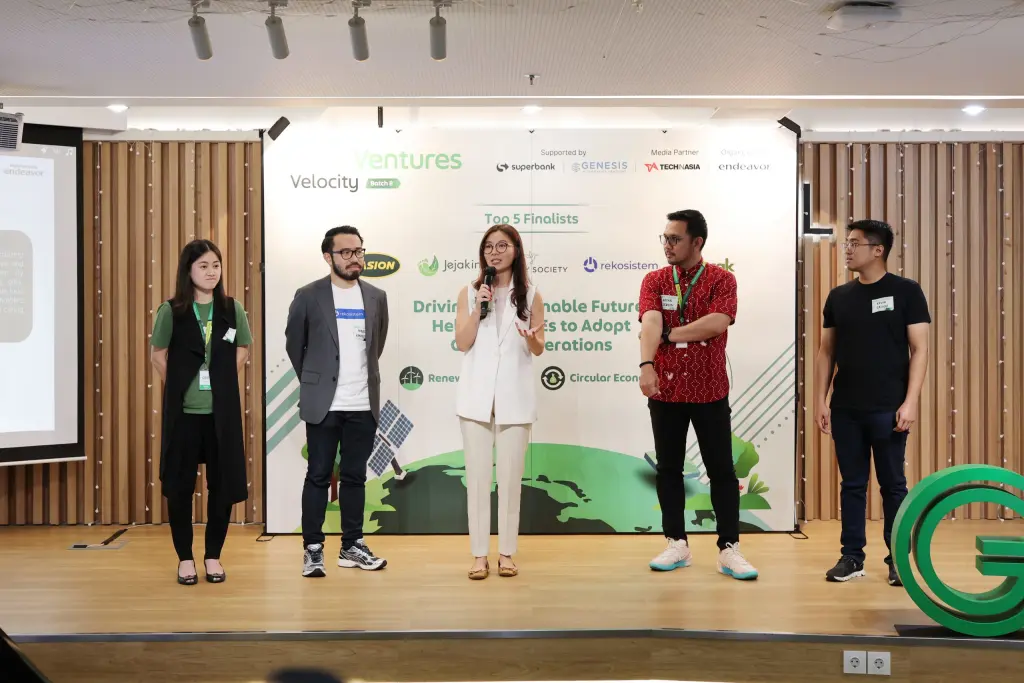
The five startups selected for Grab Ventures Velocity’s latest batch / Photo credit: Grab Indonesia
It’s also partnering with Endeavor Indonesia, an ecosystem builder that empowers high-impact entrepreneurs, to serve as the organizing partner for the latest batch, which consists of five startups:
- Sirsak, which offers solutions to trace and recover packaging waste
- Liberty Society, an organization that helps marginalized women upcycle products for resale
- Jejakin, which offers solutions for businesses to measure, monitor, and offset carbon emissions
- Rekosistem, which transforms waste into recycled materials and renewable resources
- Casion, an EV charging solutions provider
Tech in Asia spoke with each firm to learn more about how they joined GVV Batch 8.
Sirsak: Improving livelihoods of the marginalized women through waste management
According to a report by WRI Indonesia, around 98% of waste bank managers and operators are women.
Angeline Callista, co-founder and CEO of Sirsak, saw this firsthand when she met with waste sorters in rural Indonesia around nine years ago. She had been working for the United Nations Development Programme at the time and was tasked to interview them.
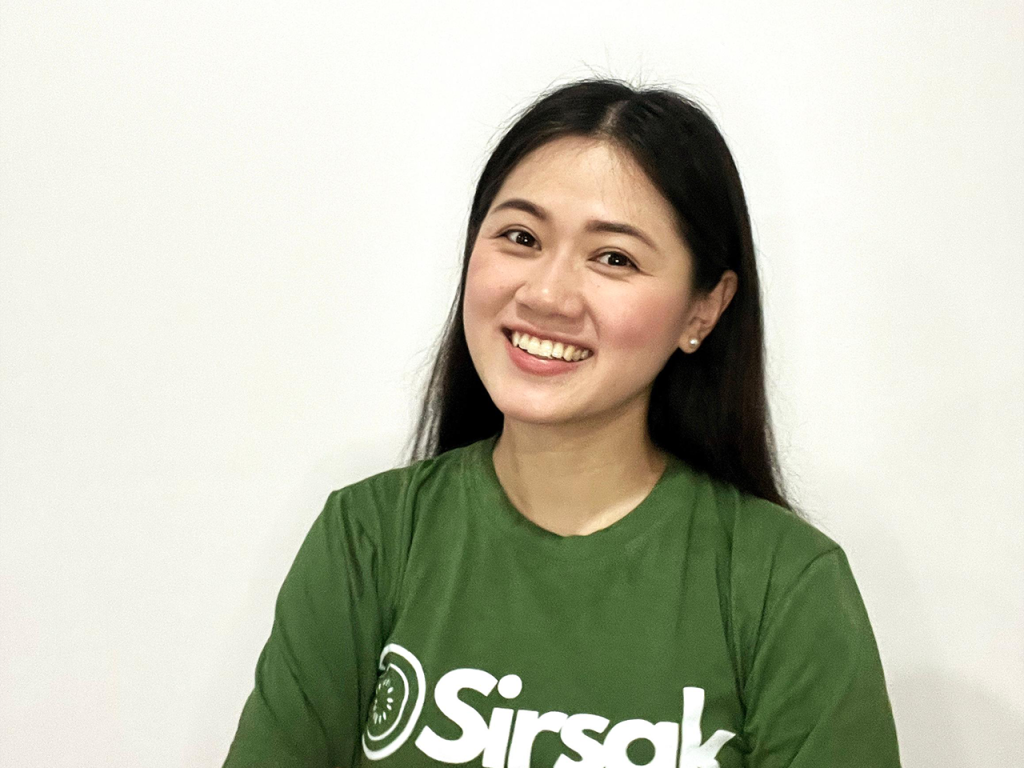
Angeline Callista, co-founder and CEO of Sirsak / Photo credit: Sirsak
What she saw wasn’t just a huge amount of unmanaged, low-value packaging waste, but also that these women lacked systemic support.
Looking to change that, she founded Sirsak to build a network of collection points, aggregators, and recycling management companies, equipping them with a traceability system and rewarding waste workers with incentives. This helped reduce environmental damage while improving livelihoods.
According to Callista, Sirsak started out by engaging with businesses to demonstrate its proof-of-concept through early pilot projects, building trust by sharing transparent impact data with partners.
With that step completed, she wanted to refine Sirsak’s business model even further. She learned about GVV through the Endeavor Indonesia network and joined GVV Batch 8 to connect with strategic partners and expand the startup’s solution.
“GVV Batch 8 gives us the opportunity to pilot with Grab, turning this vision into action and creating change at scale,” she says.
She hopes that the lessons she picks up from the accelerator program will help Sirsak “make waste management accessible, measurable, and impactful for everyone.”
Liberty Society: Upcycling waste and empowering women through goods, gifting, and work experience
Tamara Gondo, CEO of Liberty Society, was the runner-up at Miss Indonesia 2019 before she founded her social enterprise.
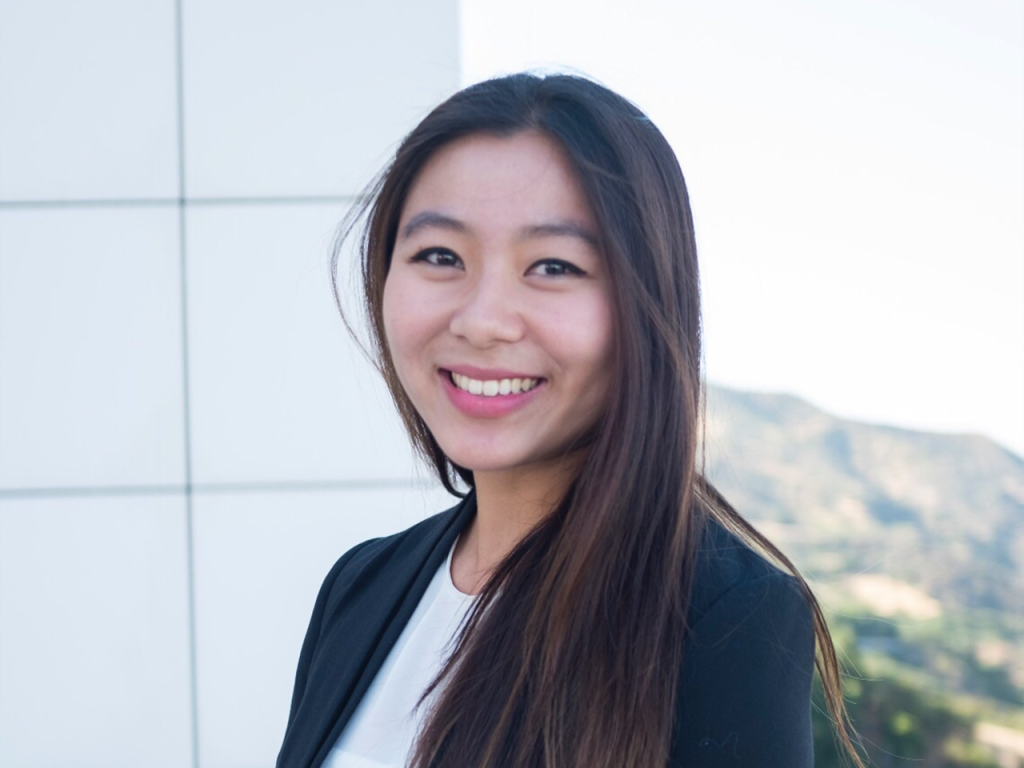
Tamara Gondo, CEO of Liberty Society / Photo credit: Liberty Society
Gondo notes that roughly 70% of women in Asia still face some form of discrimination. Meanwhile, a huge percentage of waste is being dumped and burned when it could be upcycled or recycled. In some lower-income countries, up to 90% of waste is discarded this way.
Liberty Society combines these two often overlooked problems to create ESG solutions for corporates and brands who can procure upcycled merchandise while providing a sustainable livelihood for women.
To date, the organization has trained 500 women to upcycle banners, textile, paper, and even coffee waste to make 100,000 goods, increasing their earnings by up to 3x. The company has also worked with more than 250 corporations to host workshops and community fairs to increase awareness on the importance of sustainability through upcycling.
“Together with our corporate partners, we have set up five upcycling centers across Indonesia that create localized solutions to upcycle waste to be turned into goods that become income for the community,” she explains.
Gondo’s vision is to scale her firm’s circularity solutions to more corporations. According to her, if just 1% of corporates’ yearly procurement budget goes towards green merchandising, she believes that around US$1 million can go to uplift women communities sustainably while reducing carbons through upcycling waste.
With that vision in mind, she joined GVV Batch 8 to accelerate her solutions through more collaboration opportunities with Grab.
Want to participate in Grab’s very own accelerator program too? Click to learn more.
Jejakin: A clearer path to going green
Sometimes, even though people are willing to help the environment, taking positive steps can be confusing, says Arfan Arlanda, founder and CEO of Jejakin.
“We saw that many people and businesses want to help, but didn’t have the tools or confidence to do it,” he adds.
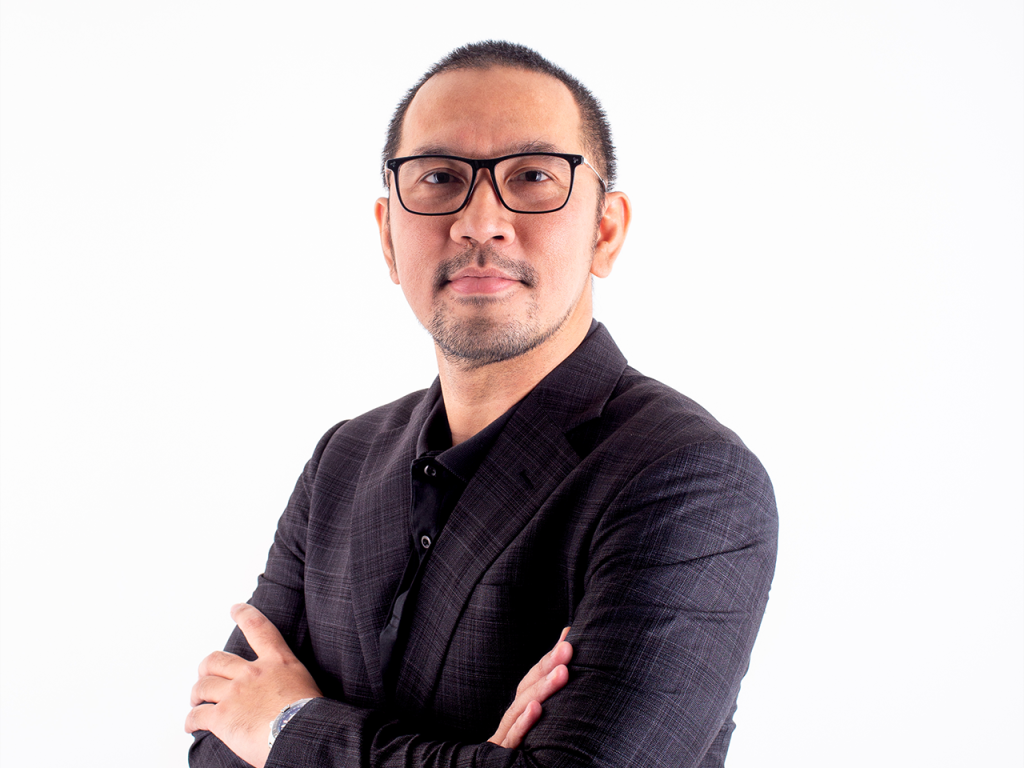
Arfan Arlanda, founder & CEO of Jejakin / Photo credit: Jejakin
That’s why he and his co-founders came up with Jejakin, offering solutions to help companies track and report their carbon footprint using satellites, IoT sensors, and AI tech. Beyond tracking, its platform also offers recommendations to help users take action.
When he co-founded the startup in 2018, the biggest challenge at the time was awareness. He and his team spent a lot of time educating potential partners and the public about the importance of carbon tacking projects and being climate-conscious, while building up their tech infrastructure.
The next step was scaling the platform to serve big government agencies and everyday users, which is where GVV comes in.
“When we saw the GVV program, especially Batch 8’s theme of helping MSMEs go green, we knew it was the right place for us,” he says. He highlights the mentorship sessions, saying that they’ve sharpened his ideas, while noting that the Grab Indonesia team has been very open and collaborative.
“With the right partner, our potential impact can be huge,” he says.
Rekosistem: Why waste waste?
Most young students think about upcoming exams or hanging out with friends. Ernest Layman, co-founder and CEO of Rekosistem? He was thinking about waste.
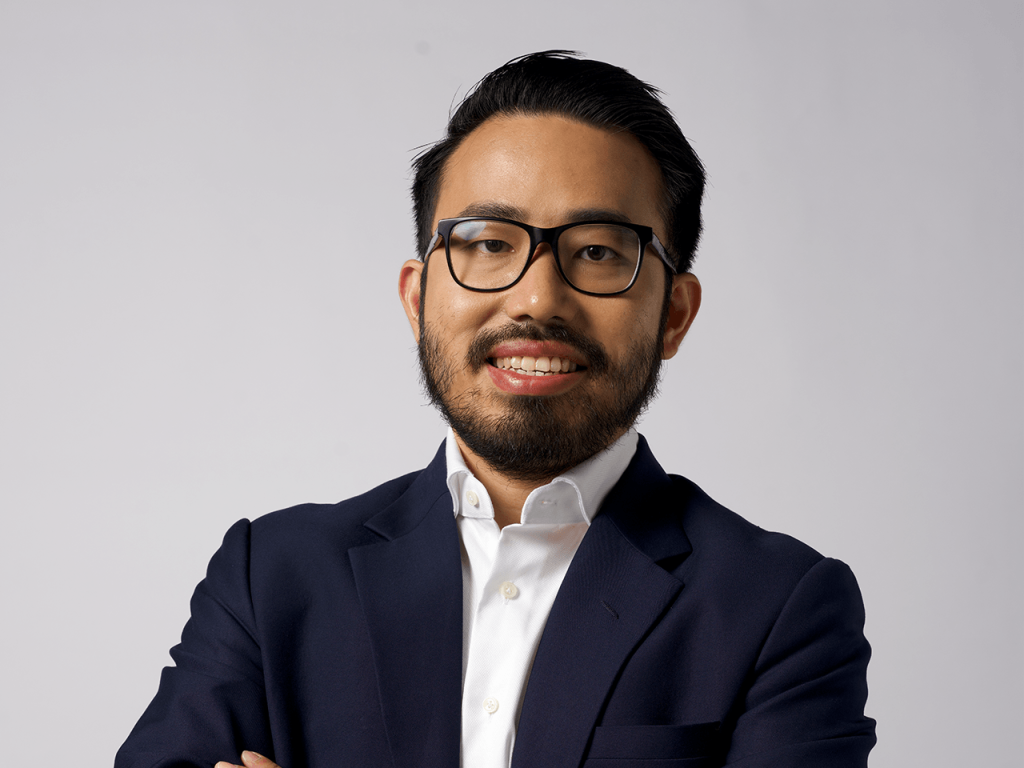
Ernest Layman, co-founder and CEO of Rekosistem / Photo credit: Rekosistem
“My grandmother’s house and elementary school were both located near a traditional market, where I saw piles of unmanaged waste every day,” he says. The rubbish left bad smells, polluting the area, but clearing the way for a critical thought in his mind: What if we could do something to tackle waste pollution?
This idea followed him until college, where he met his friend and eventual co-founder of Rekosistem, Joshua Valentino. Together, they built the company to connect households and businesses to new technologies, making waste management more efficient and providing opportunities for recovery and recycling. For instance, Rekosistem has established numerous recycling stations and hubs and offers a platform for real-time tracking and reporting.
However, Layman soon realized that solving waste management requires more than just tech – the company also needed strategic collaborations and integration into larger ecosystems to scale. That’s when he started looking for accelerator programs and discovered GVV.
“Grab offers one of the most extensive mobility and delivery networks in Southeast Asia, which can transform waste collection into a seamless, everyday service,” he explains.
He adds that he’s gotten valuable experience in the program, which has offered mentorship opportunities, practical insights, and exposure to scalable business models.
“We aim to deliver sustainability at scale, while creating shared value for users, drivers, and communities across Indonesia,” he says.
Casion: Making EV charging adoption easy
Filling up your gas tank is simple, but charging an EV? Not so much.
“With internal combustion vehicles, you can pay in cash and you’re usually good to go,” says Kevin Pudjiadi, CEO and founder of Casion. “But for EV charging, you usually need to educate the driver on how to use the charging app as well as any payment gateways they might need to go through.”
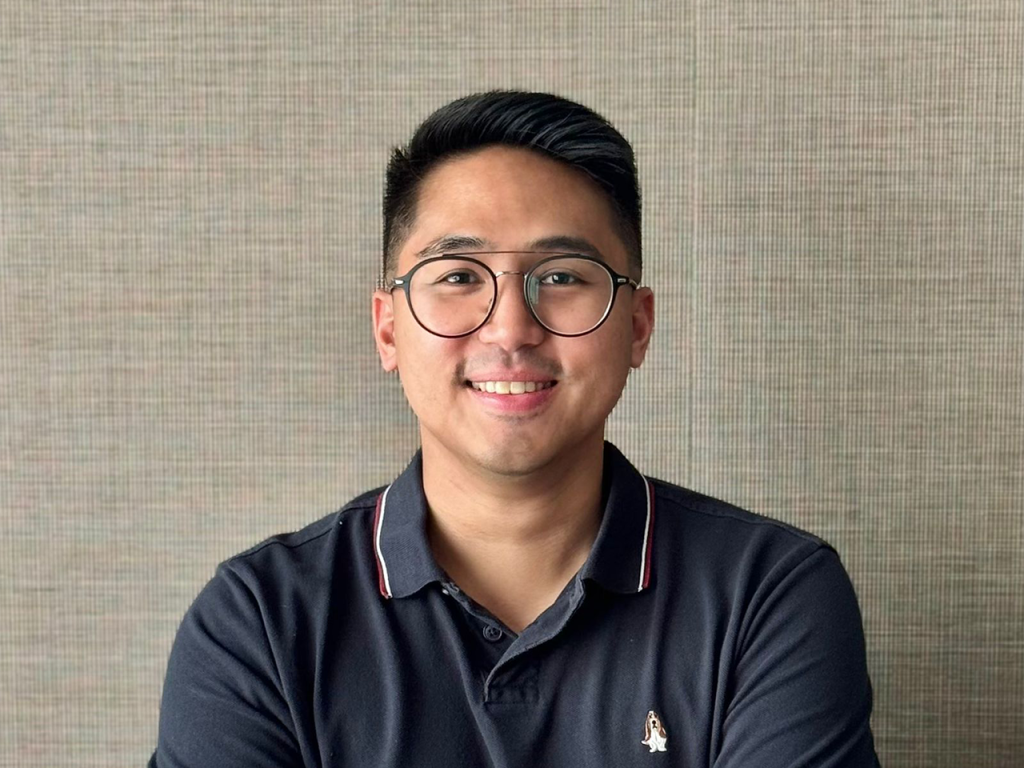
Kevin Pudjiadi, CEO and founder of Casion / Photo credit: Casion
Finding charging stations could be a hassle, too. That’s why Pudjiadi founded Casion to offer a subscription model that makes it easy to find EV charging points and pay for it all on one platform.
Pudjiadi first learned about the GVV accelerator program after attending Endeavor Indonesia’s Scale Up Program in 2024. While participating in the event, a representative from Endeavor encouraged him to apply to GVV.
Since joining Batch 8, he notes that Grab’s openness to collaboration and implementing ideas has been a boon.
LEARN HOW GVV CAN GIVE YOUR STARTUP A BOOST
“We really look forward to creating a lasting impact on the EV market together with partners we’ve made through GVV,” he says.
Separating wheat from chaff
According to Rivana Mezaya, director of digital and sustainability at Grab Indonesia, GVV has four main criteria for shortlisting startups for the program:
- Business viability – participants must have a strong and sustainable business model
- Founder and team merits – to ensure strong leadership and strategic execution capabilities
- Strategic fit – so that attendees solutions’ can align well with Grab’s services, potential partnerships, and scalability across markets.
- Sustainability impact – there must be positive environmental or social outcomes embedded in the business
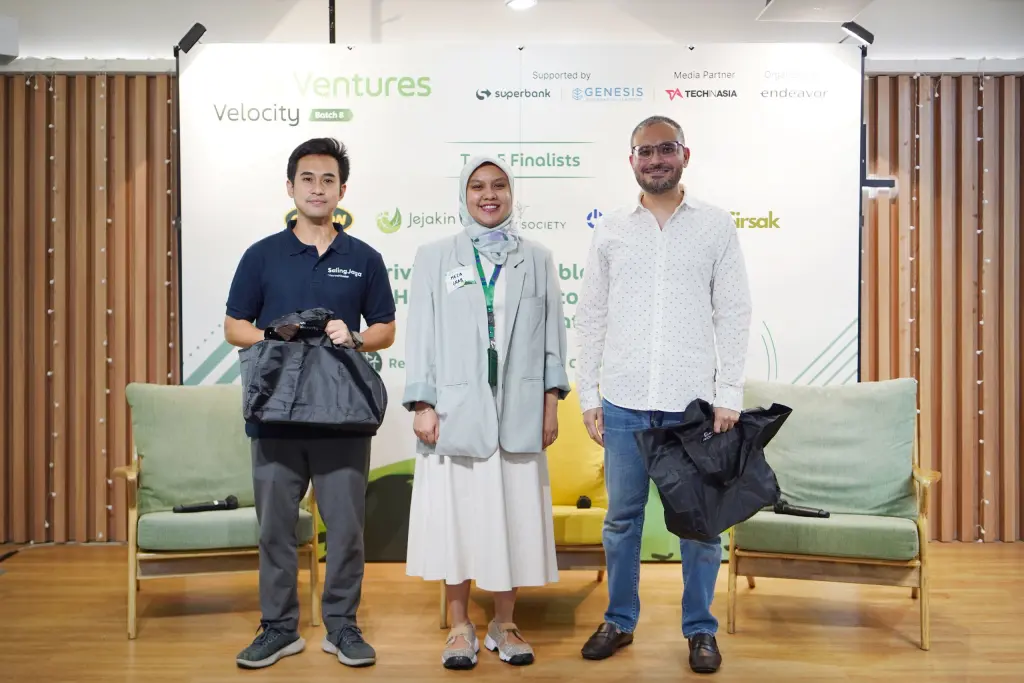
(Center) Rivana Mezaya, director of digital and sustainability at Grab Indonesia / Photo credit: Grab Indonesia
Monika Rudjiono, managing director of Endeavor Indonesia notes that these criteria are meant to be very rigorous, so that only high-potential startups are curated for the program.
Cross-sector collaboration is the main strength of GVV Batch 8 this year, he adds. The program is supported by Superbank, an Indonesian digital-focused bank backed by Grab, Emtek, Singtel, and KakaoBank, as well as Genesis Alternative Ventures, one of Southeast Asia’s leading venture debt funds.
As such, GVV Batch 8 doesn’t just function as an acceleration program but also offers real access to the digital banking and financing ecosystem.
Superbank and Genesis Alternative Ventures collaborated closely with Grab’s internal team, bringing their expertise in financing and fundraising to evaluate startup applicants.
“Their contributions provided a valuable external perspective, helping to pinpoint startups with solid business models and a clear strategy for managing capital effectively,” Mezaya says. “This helped us ensure that only the most promising startups get into the accelerator.”
With all the participants selected, GVV is ready to put the pedal to the metal with its 16-week program. It also has a pilot testing program of up to eight weeks, where founders undergo practice sessions for pitching their solutions, and a showcase at Tech in Asia’s flagship conference in October.
“We truly hope that we leave startups with strong connections, actionable insights, and solid credibility in the ecosystem,” says Mezaya.
Grab Ventures Velocity (GVV) is a startup accelerator initiated by Grab in 2018. Now in its eighth year, the accelerator is committed to ESG principles and strengthening governance practices to drive real, measurable outcomes. Find out more about the program here.
This content was produced by Tech in Asia Studios, which connects brands with Asia’s tech community. Learn more about partnering with Tech in Asia Studios.
Stay updated on the go with our mobile app.
Get latest insights with smoother, more personalized experience through TIA mobile app.
Recommended reads
 Indonesian AI startup goes global
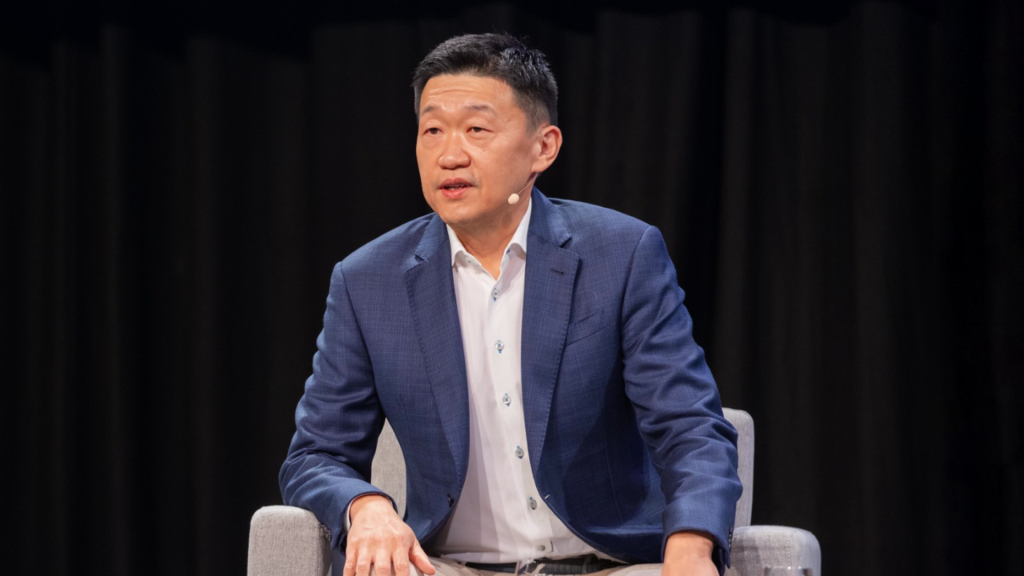 Forrest Li on scaling Sea, building smarter bots, and founder grit
 An AI assistant that joins sales calls and scores team skills
 SGX’s CEO says it doesn’t need a unicorn to win
 SMEs want AI too, but not the kind Big Tech is selling
 Oatside’s alt-milk rise hits a profitable gear
 Alibaba’s financial health in 12 charts
 Asia’s telcos bundle AI into mobile plans. Will it pay off?
 M-Daq chases bigger clients as revenue falls, losses grow
 VC tracker: Accel raises US$3.5b, including US$550m for India





Editing by Winston Zhang, Stefanie Yeo, and Jaclyn Tiu
(And yes, we’re serious about ethics and transparency. More information here.)




