- Premium Content It takes our newsroom weeks - if not months - to investigate and produce stories for our premium content. You can’t find them anywhere else.
 Nicole Jao · · 7 min read
Sea Group wants to build a super-app empire. Here’s how Tencent did it
Internet giant Tencent is one of the most aggressive investors in China’s technology space. The Shenzhen-headquartered company sees investments as part of its core strategy; it’s instrumental to how it became the vast ecosystem that it is now.
Over the years, Tencent has earned nicknames such as the “Berkshire Hathaway of China tech” – a reference to the holding firm run by famed American financier Warren Buffett – as it continued to invest in high-profile companies including JD.com, Meituan, and Pinduoduo, as well as a slew of internet unicorns.
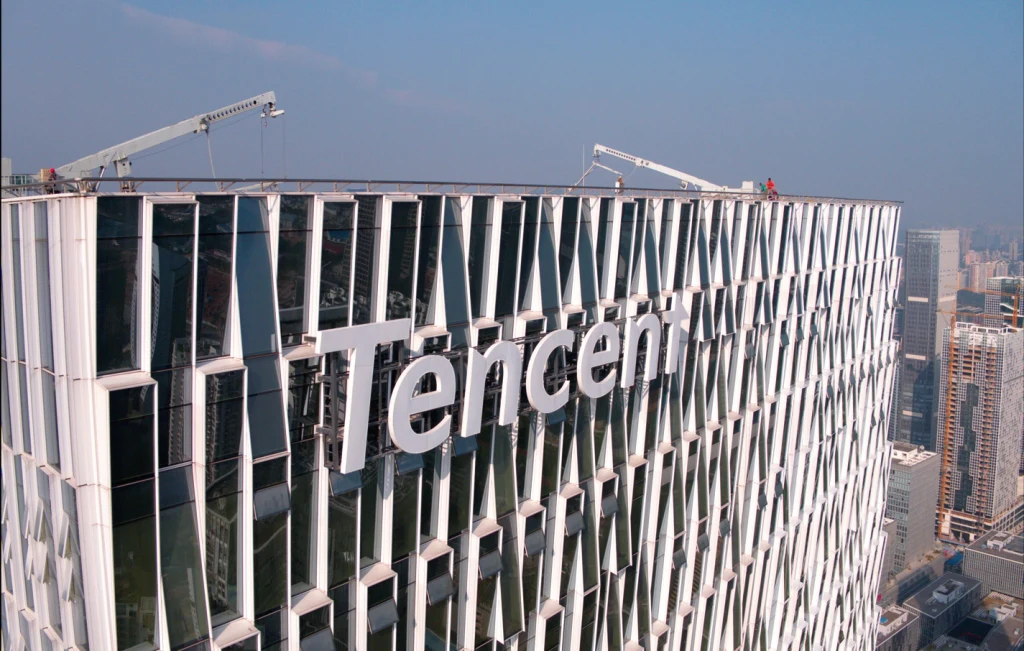
Photo credit: Tencent
Investing in a wide range of companies across the internet sector helps Tencent compete against longtime rival and prolific investor Alibaba.
This approach is taking hold among Southeast Asia’s tech firms. Tencent-backed Sea Group seems eager to flex its capital muscles, as it recently established a new US$1 billion fund called Sea Capital.
Sea, whose interests range from games to online retail and payments, has been referred to as the “Tencent of Southeast Asia.” Indeed, the Singapore-based company could draw some inspiration from its Chinese peer.
Big tech with an investment banking mindset
Tencent set up its investment arm in 2008, and it’s still going strong.
In fact, 2020 was Tencent’s most active year as an investor, despite the Covid-19 pandemic and China’s cooling venture capital scene. The company backed more than 163 startups, which amounted to US$12 billion in investments.
As of the end of 2020, Tencent had over 1,200 companies in its portfolio, which includes at least a hundred publicly listed companies.
The tech titan likely inherited its investment banking mindset from its management team: Company president Martin Lau and chief strategy officer James Mitchell were previously executives at Goldman Sachs.
Tencent employs what many have called the “shotgun” approach, which is characterized by taking minority stakes in companies from wide-ranging verticals and letting them operate in relative independence. JD.com, Meituan, Pinduoduo are classic examples of such partnerships.
“Tencent’s approach speaks to the mindset of like not wanting to pick a winner, being comfortable with volatility, building an ecosystem of companies that can loosely support one another,” Matthew Brennan, co-founder of tech consultancy China Channel, tells Tech in Asia.
But some critics say that Tencent spends more resources buying than building, and that could hurt its ability to innovate. “Tencent is losing its edge in product development and innovation and has become an investment company,” tech writer Pan Luan noted in a 2018 essay. Titled “Tencent Has No Dream,” the 13,000-word piece went viral and sparked debate in China.

Feeding the WeChat beast
Sea, the Tencent of Southeast Asia?
Stay ahead in Asia’s tech landscape
This is premium content. Subscribe to read the full story.
Tencent’s playbook could provide a blueprint for Sea’s own super-app aspirations.
We know this is not ideal. ⌛ Sign up in 20 seconds. Cancel anytime.
Our subscriber community includes professionals from these companies:





Stay updated on the go with our mobile app.
Get latest insights with smoother, more personalized experience through TIA mobile app.