Chinese internet companies have been exporting various products like ecommerce items, games, and utility apps to international markets over the last decade. Before starting KeyReply, I was Twitter’s head of advertising campaign optimizations for APAC. In my role, I witnessed a surge in interest from Greater China-based gaming companies, camera apps, and general utility apps in acquiring users abroad. These teams would operate in China, marketing to users from the Middle East to the USA, and often working with global social platforms like Facebook and Twitter.
In the past year, with the proliferation of bike-sharing, the trend is now moving toward exporting operationally-driven models overseas.
Two companies leading the charge in China are Ofo and Mobike. In my recent trip to Beijing and Shanghai, I witnessed a massive concentration of bicycles at every street corner, alleyway, and building lobby in the city. There are even billboard ads to appeal to mainstream consumers in train stations, selling the lifestyle and benefits of using these bike-sharing services.
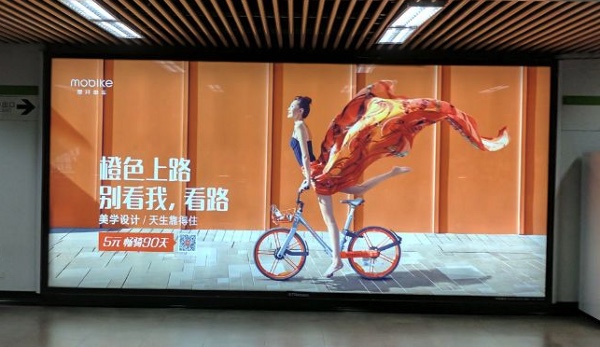
Mobike advertisement in Shanghai subway station.
Unchaining the wheels of competition
Public statistics for Mobike and Ofo are difficult to retrieve. But by combing multiple sources (Reuters, China Daily, the Mobike website, TechCrunch, and Crunchbase), I’ve found the following:
Approximate Ofo statistics:
- Raised US$1.2 billion
- Is in 150 cities
- Has made 400 million total trips (as of March 17, 2017)
- Has 6.5 million bikes
- Has 100 million registered users
Approximate Mobike statistics:
- Raised nearly US$1 billion
- Is in 100 cities
- Has made 25 million rides a day at peak times
- Has 5 million bikes
- Has 100 million registered users
The impetus for both companies has been to scale globally. Both companies have opened up in cities aggressively:
- Ofo has entered Thailand, Malaysia, Singapore, and Japan, while juggling new cities in further markets like Seattle.
- Mobike has also been expanding aggressively in Europe and other Western cities.
- Both have started moving into the US market.
But the competition is intense on many fronts. In China, 3Vbike’s failure follows last month’s closure of Chongqing-based bike-sharing platform Wukong. The company’s founder blamed the shutdown on its inability to secure quality bicycles like those used by its larger competitors.
Other concerns around the model are also rearing up. In an interview, Ofo founder Dai Wei revealed that there were many “haters” of Ofo during their early days at Peking University, with some even posting things like “Wait for Ofo to fail” on the school’s forum channel. There were also many cases of people dumping Mobikes from high buildings, bicycle parking, and bike waste in multiple cities.
Riding to new heights
Both companies have been investing heavily in bicycle production, securing a total capacity of over 30 million bicycles in 2017. From a product perspective, the two companies have slight differences in their approaches to the market. The average cost of Mobike bicycles and Mobike Lite is US$300 and US$75, respectively. The average cost of Ofo bicycles, on the other hand, is only at US$45.
Turning the axles of influence
Navigating growth
Export the Chinese way
Conclusion





Stay updated on the go with our mobile app.
Get latest insights with smoother, more personalized experience through TIA mobile app.