Harsimran Julka · · 6 min read
Why India’s tech and taxi industry is rejoicing after a court order to allow diesel cabs

Shyam Yadav, a 52 year-old Uber driver in Delhi, drives a cab for 10 hours daily.
With the almost US$1,200 he earns every month, he pays rent for an apartment in an urban slum. He also pays college fees for his two teenage daughters, one of whom is studying medicine.
The rest goes toward paying the monthly installment for his car – a Toyota Etios, bought 18 months ago.
This week, India’s Supreme Court reversed its old order which banned all taxis running on diesel in India’s capital, giving relief to people like Shyam.
Following the earlier court orders, cops were booking vehicles via apps such as Uber and Ola, then issuing tickets or impounding them. The new order issued on Monday will allow people such as Shyam drive their taxis until their five-year permit expires.
If the court had not reversed its decision, Shyam and about 65,000 of his ilk would be out of jobs.
Taxi apps such as Ola have welcomed the fresh court order.
“The proposed phased roll out will help salvage the livelihoods of tens of thousands of drivers in Delhi’s national capital region,” says an Ola spokesperson.
Saving the world’s back office:
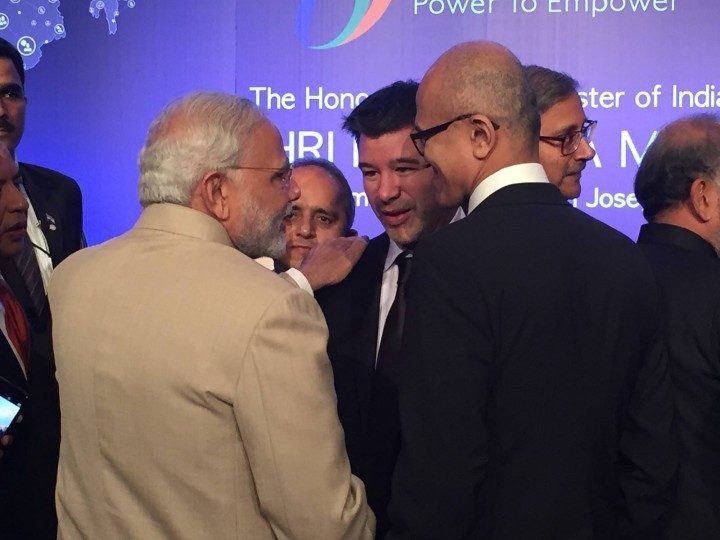
Indian prime minister Narendra Modi with Uber CEO Travis Kalanick at an event in Silicon Valley in 2015.
For the world’s biggest airlines, computer makers or credit card providers, India is essentially their back office.
The nation’s capital has about 250,000 employees working in this back office and in the customer support industry.
If you are a customer of companies like American Express, Bank of America, Aviva, Microsoft, Dell, GE, or HP, you may call for assistance and often find an Indian voice at the other end servicing you.
A fix for taxi entrepreneurs
Clean fuel is also cheaper
Relief for taxi drivers





Stay updated on the go with our mobile app.
Get latest insights with smoother, more personalized experience through TIA mobile app.