 Samantha Cheh · · 5 min read
B Capital’s formula for a startup’s successful expansion beyond Southeast Asia

While Southeast Asia’s startup ecosystem had experienced relatively healthy venture capital activity in pre-Covid-19 times – helped along by the robust growth of the internet economy – the pandemic set off a chain reaction that dried up opportunity and profit margins.
Yet despite the persistent atmosphere of uncertainty, there are clear signs that the tech industry will bounce back. Investors in the region doubled their tech startup investments in mid-2020, suggesting strong confidence in the industry.
“The importance of technology was amplified during the pandemic, given its important role in transforming industries,” says Kabir Narang, founding general partner at venture capital firm B Capital. “If you look at public and private markets, software was the second best-performing sector in 2020. So it wasn’t surprising that the tech sector has remained very resilient.”
Balancing resilience and recovery
In particular, Narang identifies startups in edtech, healthtech, consumer enablement (logistics or ecommerce firms), and software-as-a-service (SaaS) as those that have flourished during the pandemic – and would even continue to do so beyond it. In fact, these startups benefited from government-imposed distancing rules that forced businesses to quickly transition online and opened up opportunities to “invent, innovate, and disrupt existing systems.”
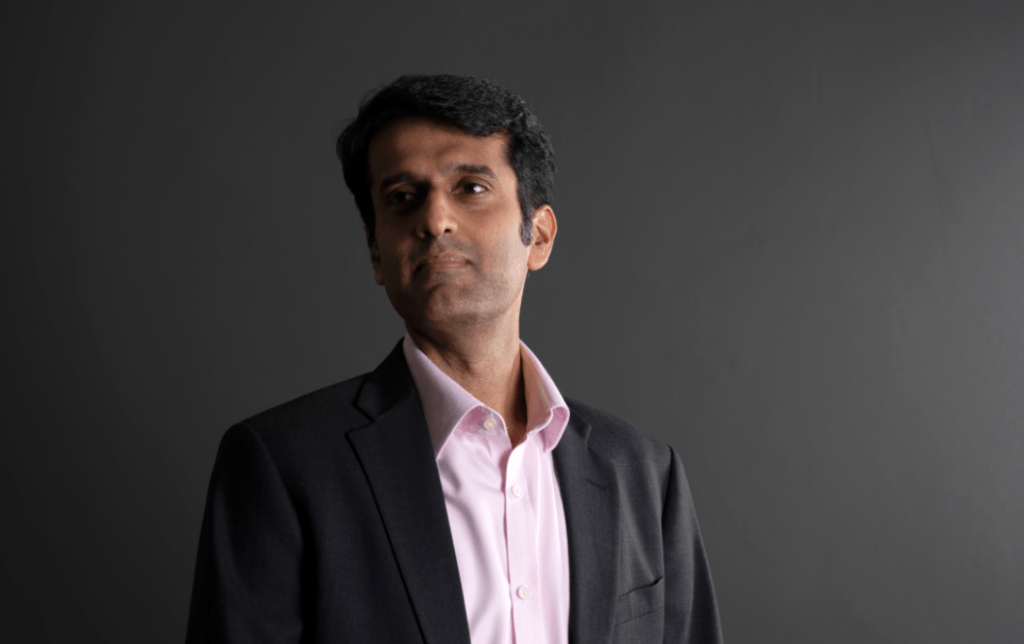
Kabir Narang, founding general partner at B Capital. / Photo credit: Wei Leng Tay via Bloomberg
For example, the pandemic became a catalyst for ecommerce enablers such as Ninja Van, a leading ecommerce logistics platform in Southeast Asia that experienced an unprecedented pace of adoption, with a decade’s worth of change taking place within the span of a few months.
That said, not every tech segment will bounce back in the same way. Recovery depends on a number of factors, including a business’ customer base, market fit, and its impact on the industry. As Narang points out, startups working in edtech and healthcare, which are considered essential industries, are likely to see their fortunes rebound faster than SaaS companies selling software to those in the travel or airline industries.
Regardless, thanks to the region’s mobile-first economy and young, smartphone-savvy populations, Southeast Asian startups are particularly well-equipped to weather a changed post-pandemic landscape, Narang adds. These factors helped drive the internet economy to grow from a US$30 billion market to US$100 billion in 2020, as per Google’s eConomy SEA 2020 report, and made digitization the next logical step for businesses.
“When we started investing in Southeast Asia about four years back, there were about seven unicorns. That number has now doubled,” the B Capital founding general partner says. “With about 40 million new users that joined the internet in 2020, that gives startups a strong domestic ecosystem.”
This strong domestic ecosystem has also given Southeast Asian startups invaluable experience in building products for giant populations, which will eventually feed into their ability to scale beyond a single market into the wider region and the world. Startups that begin planning their growth with regional expansion in mind are more likely to innovate solutions that can be used in more than one market, allowing them to be more agile and flexible in responding to customer needs.
Business-to-business ecommerce distribution marketplace Ula is one such example. The B Capital portfolio company’s app-enabled services make it easier and cheaper for small merchants in Indonesia to source for and manage their inventories, and it presently has over 20,000 stores listed on its platform.

The founding team of Ula, one of B Capital’s portfolio companies, comprise (from left) Riky Tenggara, Derry Sakti, Nipun Mehra, and Alan Wong. / Photo credit: Ula
To build its consumer base, Ula capitalized on the nation’s strong rate of smartphone adoption in order to solve supply chain and financial inclusion issues. This is what Narang calls a “mission-driven approach,” which is all about building sustainable and responsive business models that are not just relevant but also scalable.
“That’s what makes for very exciting opportunities in Southeast Asia and shows how you can have a company that can serve other parts of the world,” he says, adding that startups that manage to crack problems in Southeast Asia stand to benefit from the experience of building cutting-edge technologies for large populations, since it makes it easier for them to go regional and, eventually, global.
While looking after a startup’s business model and customer base remains a key factor for growth, Narang says a strong awareness of customer relevance is just as critical.
“If there is a strong customer relevance, then it’s easier to scale. If it’s less relevant, it becomes harder,” he adds.
Eyes on track records
B Capital has had a consistent investing philosophy of backing market leaders and technology firms that are transforming large industries. To meet this goal, the firm relies on a company’s “historical perspective of performance” or an existing track record to inform their investment decisions. This could be startups that display early market leadership, strong product-market fit, or great operational or financial metrics. To gauge which startups they should invest in as they move forward, B Capital investors also assess serial entrepreneurship.
“A disproportionate part of capital and market share goes to the best teams. This is always true in venture capital, but even more so in Asia,” Narang points out. “It’s important that a team has shown strong early traction.”
Businesses looking to become market leaders in the region and beyond should also take the time to do their groundwork by identifying customers’ pain points. This starts with having strong management teams and capital-efficient models to form deeper connections with users.
Additionally, Narang notes that B Capital values startup founders who “hire fantastic people” because it shows that they understand the importance of having strong teams in the development of a product.
“This is not rocket science, but on some level, serving the customer is about making sure the team is built ahead of itself and is well-fleshed out,” he adds.
In 2020, the VC firm doubled down on supporting its founding teams by offering more capital and advice to see them through the economic uncertainty and support their growth.
“We’re minority investors, so a big part [of what we do] is just backing fantastic management teams that are already shaping large industries,” Narang says. “We add an additional layer to help them scale even quicker, as well as sustain and support them.”
B Capital Group invests globally in transformative growth-stage (series B to D) companies. Its in-house team of experts and partnership with Boston Consulting Group add more value than any other investor to a company’s balance sheet. Find out more on the official B Capital website.
This content was produced by Tech in Asia Studios, which connects brands with Asia’s tech community. Learn more about partnering with Tech in Asia Studios.
Stay updated on the go with our mobile app.
Get latest insights with smoother, more personalized experience through TIA mobile app.
Recommended reads
 Indonesian AI startup goes global
 Forrest Li on scaling Sea, building smarter bots, and founder grit
 An AI assistant that joins sales calls and scores team skills
 Beyond the check: Why VCs need more than capital
 SGX’s CEO says it doesn’t need a unicorn to win
 SMEs want AI too, but not the kind Big Tech is selling
 Oatside’s alt-milk rise hits a profitable gear
 Alibaba’s financial health in 12 charts
 Asia’s telcos bundle AI into mobile plans. Will it pay off?
 M-Daq chases bigger clients as revenue falls, losses grow





Editing by September Grace Mahino, Nathaniel Fetalvero, and Rebecca Liew
(And yes, we’re serious about ethics and transparency. More information here.)





