Dr. Serkan Toto · · 5 min read
How one game brought ‘Japan’s Facebook’ back from the brink of disaster
Dr. Serkan Toto is a gaming expert and independent consultant based in Tokyo. You can follow him on Twitter and his blog. This article is republished with his permission.
Mixi (TYO:2121), once Japan’s largest social network, is back from the dead.
In September 2006, Mixi was the first so-called web 2.0 startup ever to go IPO, and for many years it was referred to in international media as “Japan’s Facebook.” It managed to grow slowly and maintain its status as a large-cap company for years until it stopped innovating and was hit by a flood of competitors across both social and gaming, such as DeNA, GREE, Twitter, Facebook, and Line.
Too many competitors
I am simplifying, but some time in 2011 or 2012, Japanese users started considering Mixi essentially ‘over’. In May 2012, Mixi shares traded at at around 1,500 yen, less than 10 percent of their historic high in 2008.
Over the years, Mixi did try many things to turn around:
- entering a tie-up with Mobage
- setting up a mobile gaming network with Konami
- partnering up with Twitter in Japan
- going to the US
- buying up startups
- getting into venture capital
- rolling out a plethora of new services in areas such as e-commerce, photo sharing, and even dating
- redesigning, expanding, and changing its core product, the social network
- appointing a new CEO
Nothing worked. The stock price kept staying flat and was falling even further until mid-November 2013, when shares were down to just over 1,000 yen.
But then a ‘miracle’ happened.
Enter the monster
As it turns out, Mixi did one thing right: deciding to develop mobile games in-house.
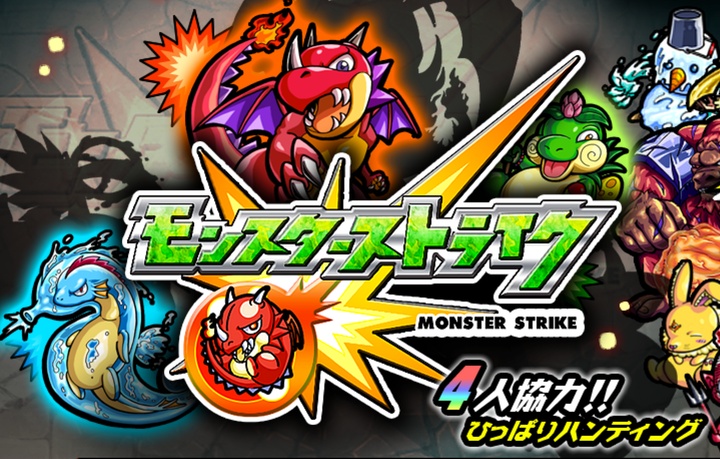
One of those titles, a mobile game called Monster Strike started looking like it was about to become a hit on iOS around the end of November last year, about three months after it launched. Japanese users started not only downloading but also paying for it – without any kind of mass-marketing.
As a result, Monster Strike kept climbing up in the rankings of apps pulling in money on iOS. On November 18, it was ranked 136. On November 20, it was at 43. On December 10, it moved up to 27 in the country.
December 10 was also the day that Mixi shares jumped over the 9,000 yen price point. That restored much Mixi’s market cap, becoming a billion-dollar company again in December – all thanks to a single game that was out on a single platform – and only in Japan.
And even though one day later Goldman Sachs issued a negative report on Mixi that made the stock go down substantially in the following week, it managed to bounce back. Here is how Mixi’s stock price moved over the last 12 months (up until March 2):
Monster hype
Monster Strike gameplay





Stay updated on the go with our mobile app.
Get latest insights with smoother, more personalized experience through TIA mobile app.