 Grace Priscilla Teo · · 5 min read
OpenAI’s CFO says the era of estimated finance checks is over
This article summarizes an episode of OpenAI’s video series featuring its CFO, Sarah Friar.
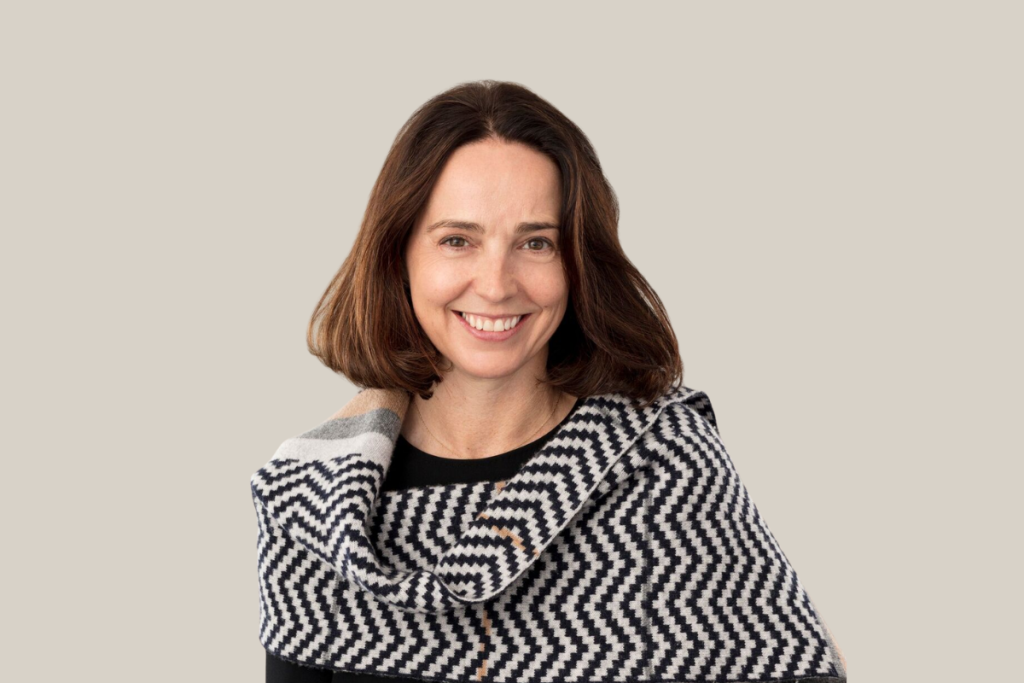
Sarah Friar, CFO at OpenAI / Photo credit: Sarah Friar
Sarah Friar, CFO at OpenAI, argues that AI ends the need for probability in business. Corporate finance departments currently rely on partial checks because verifying every record takes too much time.
Friar sees software replacing these old methods with systems based on absolute proof. As machines take over data verification, she notes that organizations must rebuild their operations to focus entirely on human judgment, character, and skill.
Fixing the limits of corporate finance
Building these exact systems requires corporate finance departments to stop relying on probability and sampling to check their records.
Friar solves this problem by changing how work gets done. Financial teams must map out repetitive tasks and use software to handle the data.
This shift moves workers away from manual typing so they can focus on strategic decisions, requiring finance leaders to restructure daily operations:
- Map the finance system into steps: Leaders must first inspect core processes like revenue, billing, equity, taxes, and cash management.
- Create time to learn: Holding quarterly hackathons gives employees space to learn automation tools during working hours, since overworked teams rarely update their methods independently.
- Move humans into checking mode: Software fills out tax forms while professionals verify accuracy and finalize filing choices.
- Move focus toward understanding: The OpenAI finance department added economic research and pricing tasks because automation created the time needed for deep analysis.
- Measure progress through new work: Success means tackling projects the department previously lacked the headcount to even consider.
This automation changes the math of compliance. Following rules currently depends on checking a random sample of items. That approach stops making sense once software has the speed to read every single corporate record.
“You do sampling because you live in a world of scarcity: scarce resources, scarce people, scarce time,” she says.
“In a world of abundance, which is what AI brings us… [an AI] agent can actually check all 1,000 invoices… I actually think [AI] will make controls and precision much stronger.”
Navigating workplace anxiety
While software improves this precision, handing processes over to machines naturally causes anxiety for employees used to older computer systems.
Testing new software acts as a proven way to lower that risk. People who test new tools early get to shape how their departments operate, while late learners simply inherit strict rules designed by their peers.
“Fear usually comes when we don’t understand or we’re not sure what something will be,” Friar explains.
The lasting value of human skills
Redesigning education and grading





Stay updated on the go with our mobile app.
Get latest insights with smoother, more personalized experience through TIA mobile app.











📅 Upcoming Events
22 October 2026
Payoneer x CSPN Summit 2026