Celia Chen · · 4 min read
Esports team Astralis to go public as industry chases multibillion sponsorship deals
While esports, which is basically competitive video gaming, has had an uphill struggle to become accepted as a physical sport, there is less debate over the similar commercial and marketing opportunities it offers compared to some of the world’s biggest sporting teams, such as football team Manchester United and the NBA’s LA Lakers.
In the face of the doubters and skeptics who cried “nerds” and ‘it’s not a real sport,” and just like snowboarding and skateboarding, which have made the Olympics and won credibility, esports keeps on rising – and Denmark’s Astralis is now set to become the first team to go public.
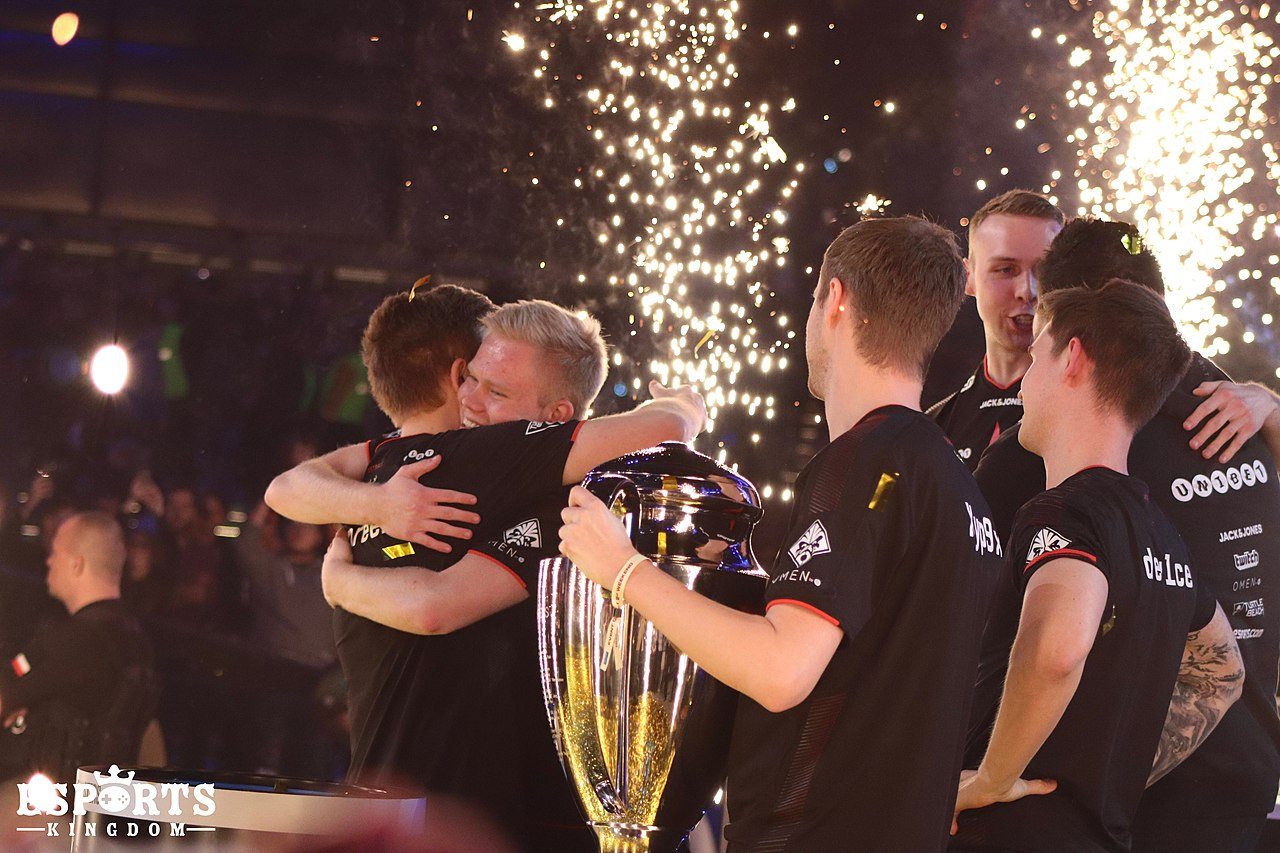
Team Astralis after winning Intel Extreme Masters Katowice 2019 / Photo credit: Esports Kingdom
Astralis is ranked the world’s number one in Counter-Strike: Global Offensive, a popular first-person shooting game, and has won millions of dollars in tournament prizes. The success has earned it commercial endorsements with brands such as Audi and Logitech, according to a Bloomberg report. Now operating as a media company, the Astralis Group has expanded, with teams competing in League of Legends and EA’s FIFA.
Astralis wants to capitalize on this success with a planned listing on December 9 on Nasdaq’s Copenhagen exchange for small companies. According to its prospectus, Astralis plans to raise 125 million to 150 million kroner, or about US$18 million to US$22 million, with shares priced at 8.95 kroner each. The global e-sports market will generate almost US$2 billion in 2022 with viewership expected to reach 595 million that year, according to research by video games and esports analytics firm Newzoo.
“In many ways, traditional sports and esports teams have similar business models. They both fundamentally operate as sports media products, meaning the traditional monetization of viewers and fandom [sponsorships, media rights, merchandise] are very similar,” said Remer Rietkerk, Newzoo’s head of esports. “One advantage that esports has is that the audience is digitally native, which means they have more direct touch-points with their fans outside of match days.”
As with physical sports, talent is a top priority. How to develop and retain top players is critical to the commercial success and sustainability of both regular sports and esports teams. The Astralis prospectus states that highly skilled employees are its “engine and largest assets,” and future success depends upon “the ability to attract, retain, and motivate them.”
So whether it is Kuro Takhasomi of Team Liquid or LeBron James of the LA Lakers, the same rules apply.
The celebrity factor is also important, and although professional esports is in its infancy, the success of superstars has attracted a broader audience in recent years. In July this year, hundreds of thousands of fans went online to watch 16-year-old Kyle “Bugha” Giersdorf from Pennsylvania win US$3 million at the Fortnite World Cup video game tournament.
Superstar players can help to build audience retention and fan loyalty – not to mention royalties from merchandise. Big audiences also mean more sponsorship, which serves as the main profit driver for both traditional sports and esports.
On the back of its Audi and Logitech deals, sponsorship is expected to represent the main revenue stream for Astralis in 2020 and 2021, said the team in its prospectus, with sponsorship accounting for more than half of its total revenue in the nine months ended September.
Get the business strategy wrong and the same pitfalls apply – profits will tank and the share price will fall.
“If we are unable to maintain and enhance our brand and reputation, particularly in new markets, or if events occur that damage our brand and reputation, our ability to expand our follower base, sponsors, and commercial partners or to sell significant quantities of our products may be impaired,” said Manchester United in its earnings release. It posted record revenue of 627 million pounds for the year to July – with 60% of its commercial sales coming from sponsorship.
Although esports shares business model similarities with big sporting franchises, many US sports teams in the NBA and NFA remain in the private hands of billionaires. Generally, it is not the motivation of a sports team owner to make a profit (and most do not), but to have their franchise increase in value over time.





Stay updated on the go with our mobile app.
Get latest insights with smoother, more personalized experience through TIA mobile app.