- Premium Content It takes our newsroom weeks - if not months - to investigate and produce stories for our premium content. You can’t find them anywhere else.
 Navene Elangovan · · 3 min read
Asia’s tech, manufacturing stocks brace for Trump 2.0
Asian and Singapore stocks in the tech sector, as well as those with exposure to China, are likely to take a hit in the short term as the region contends with Donald Trump’s return to the US presidency.
With the Republicans also set for a “red sweep” – winning the White House as well as taking control of the House of Representatives and the Senate – there may be tax cuts that could boost corporate earnings, though they could widen the fiscal deficit and spur inflation.
Closer to home, analysts warned that Asian and local stocks could be negatively affected if Trump goes through with his plan to impose stricter trade restrictions on China.
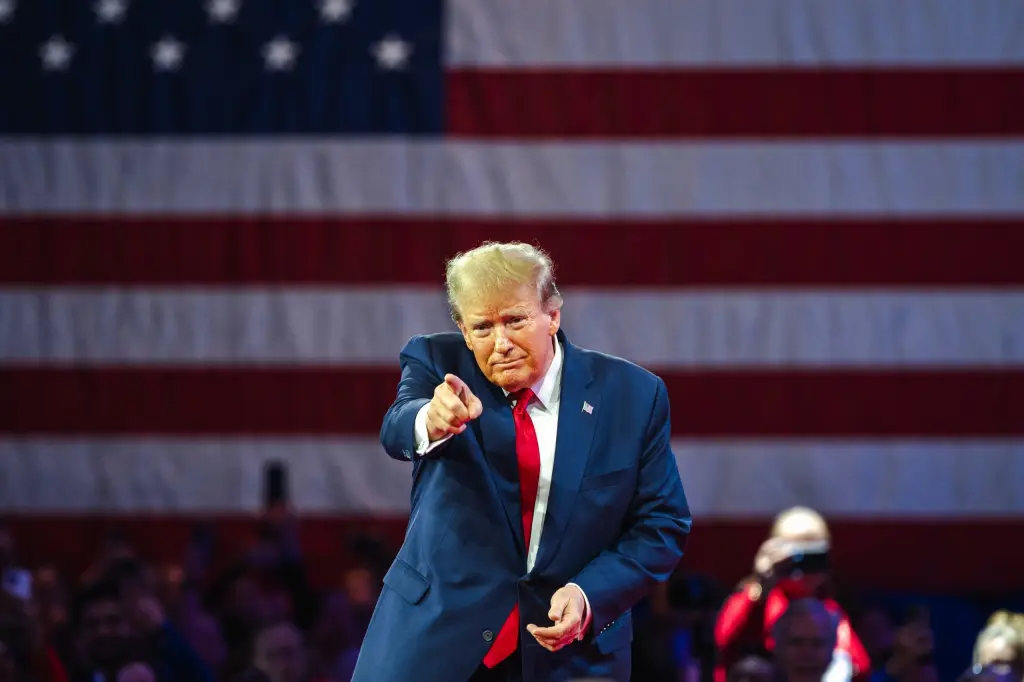
Photo credit: Shutterstock
The former president swept the polls on Wednesday in a hotly contested election against Vice President Kamala Harris, the Democratic nominee.
Looming tariffs
Analysts warned that a Trump White House, coupled with a Republican-led Congress, could spell trouble for some sectors in the equity markets of Asia and Singapore.
They are broadly of the view that in a Trump presidency, the US would take a harder line against China, leading to heightened trade tensions between both countries.
Trump had adopted an aggressive stance against China during his first stint as president between 2016 and 2020. On the campaign trail this year, he proposed blanket tariffs of at least 60% on Chinese goods.

Image credit: Timmy Loen
The proposed tariffs will have a negative impact on the Asian technology and manufacturing sector, said Daphne Tan, director of business development at brokerage firm CMC Markets.
This could result in near-term volatility in the Singapore equity market as the city-state’s economy is highly integrated with China’s and the broader Asian supply chain, she added.
Investors would have to deal with market volatility and identify opportunities based on shifts in US policies following the election, according to Tan.
“There is likely to be a period of configuration before these opportunities become clear. It could be in a variety of areas, ranging from technology and renewable sectors to bonds and real estate,” she explained.
Stay ahead in Asia’s tech landscape
This is premium content. Subscribe to read the full story.
On the campaign trail, President-elect Donald Trump proposed blanket tariffs of at least 60% on Chinese goods.
We know this is not ideal. ⌛ Sign up in 20 seconds. Cancel anytime.
Our subscriber community includes professionals from these companies:





Stay updated on the go with our mobile app.
Get latest insights with smoother, more personalized experience through TIA mobile app.