 Michael Tegos · · 5 min read
Startup veterans want to fix Southeast Asian logistics with AI and blockchain
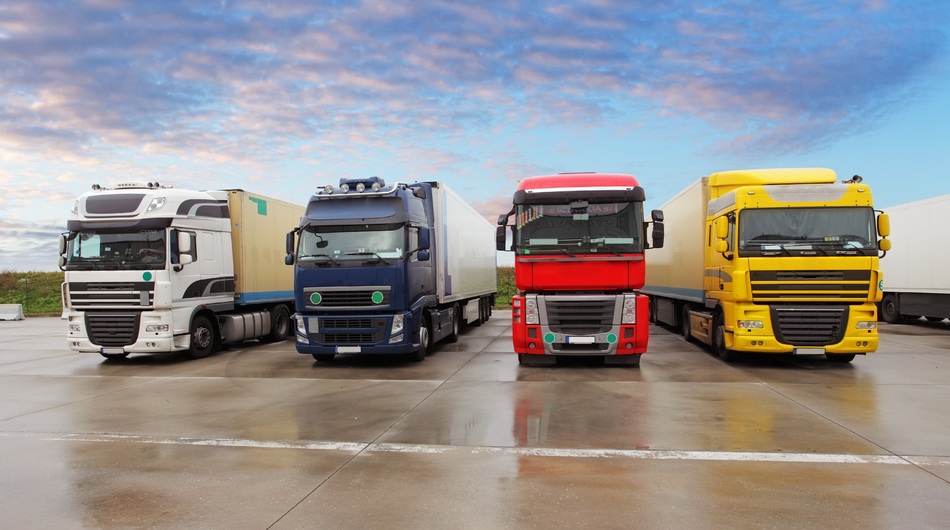
Photo credit: tomas1111 / 123RF.
It sounds like we’re talking about logistics startups in Southeast Asia every other week – surely, the space is all disrupted out by now?
One Singapore-based startup doesn’t think so and has created a new way for ecommerce companies to work with logistics providers. Yojee has built software that uses artificial intelligence (AI) and the blockchain to help logistics businesses coordinate their fleets and make the most out of existing last-mile delivery infrastructure.
Using machine learning, the software becomes more capable as more drivers use it.
The system, powered by machine learning, automatically assigns delivery jobs to drivers, reducing the need for a human dispatcher. This lowers costs for logistics providers and makes deliveries faster for customers.
It also uses a blockchain to track and archive transactions and deliveries so they can always be verified if necessary. The startup prefers to keep exact details about its use of the technology, including a few other potential applications, under wraps for now.
Co-founder and CEO Ed Clarke noticed a common problem ecommerce companies had during a stint at marketing enabler Ematic. “We had about 70 of Southeast Asia’s leading ecommerce sites on our platform,” he tells Tech in Asia. “A recurring message from founders and CEOs was that selling is getting easier because the market is growing, but delivery is still very difficult.”
See: From customs to cash: here’s what you need to know about the Asian last-mile
An automated logistics network
Yojee’s software is aimed at logistics companies, offering them real-time tracking, pickup and delivery confirmation, invoicing, job management, driver rating, and more.
The system can optimize and manage fleets, eliminating the need for multiple dispatchers. And besides letting driver and dispatcher communicate, it also enables chats between driver and customer.
The startup claims that because it uses machine learning, the software becomes more capable as more drivers use it. It learns more about them, and then assigns a job to the driver it thinks is best equipped to handle it.
“Instead of taking two or three days to get things delivered, we can do it on the same day or the next one,” says Ed.
The startup also just rolled out a chatbot that lets ecommerce companies book deliveries without someone in the middle. The bot feeds the details (address, time of delivery, and more) into the system, which then arranges for the right courier.

Making autonomous deliveries possible
How newspaper delivery helps ecommerce
Public face





Stay updated on the go with our mobile app.
Get latest insights with smoother, more personalized experience through TIA mobile app.








📅 Upcoming Events
22 October 2026
Payoneer x CSPN Summit 2026