C. Custer · · 2 min read
Here’s what the future will look like, according to Baidu and Microsoft
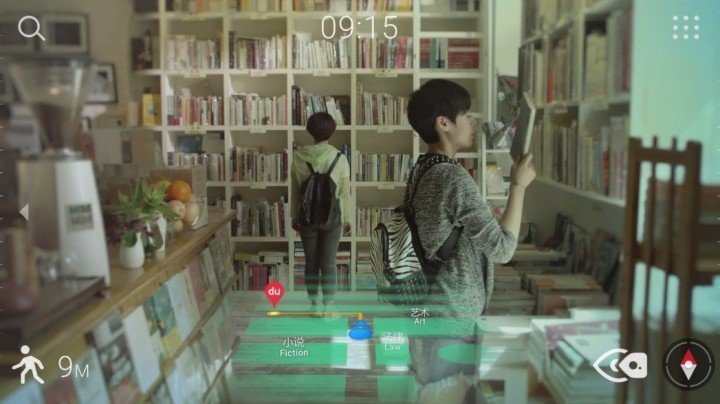
Ever wonder what the future holds? Increasingly, as part of their marketing campaigns, tech companies are producing videos that visualize a future where the world is augmented by their technologies. These videos must be taken with a grain of salt, of course – virtually all of them come off as pretty utopian – but it’s still interesting to see how different companies view where we’re headed.
The latest example of this comes from Chinese search giant Baidu, which had this video produced for its recent Baidu World conference:
Now compare that to Microsoft’s vision of the future, as unveiled by the company earlier this year:
Unsurprisingly, the two companies’ visions share a lot in common, including:
- Augmented reality as a part of everyday life
- Big touchscreen surfaces everywhere
- Real-time speech and text translation
- Very thin tablets
- Remote health monitoring, especially of the elderly
Of course, the similarities shouldn’t come as a huge surprise – both Baidu and Microsoft have focused their videos mostly on technologies that exist now, imagining them much more fully realized and integrated into society.
It’s also probably worth pointing out a few things that aren’t in there. Although some have predicted a future where aerial drones are omnipresent, neither Baidu nor Microsoft seem to buy into that. Nor does there seem to be a lot of virtual reality in their futures; augmented reality tech is commonplace but there’s not a single VR headset to be seen in either video. Self-driving cars are another piece of commonly-accepted “future tech” that’s absent. In both videos, people still seem to be driving their own cars.
Is this what the future holds? I suppose to an extent that’s up to us – whether these technologies are ever realized and integrated to the extent pictured in these videos depends on whether we’re willing to pay for it. All those smart devices can’t be cheap, and of course the energy costs are also likely to be significant.
What do you think? Is this what the world will look like in ten years?





Stay updated on the go with our mobile app.
Get latest insights with smoother, more personalized experience through TIA mobile app.