- Premium Content It takes our newsroom weeks - if not months - to investigate and produce stories for our premium content. You can’t find them anywhere else.
 Steven Millward · · 3 min read
WeWork is in talks to sell off China business
WeWork, the embattled co-working space operator, is in talks to sell off its China business to a well-established local rival, Tech in Asia has learned. The discussions, however, are ongoing, so a deal is still uncertain.
The move could see Kr Space acquire all of WeWork’s co-working offices across 10 mainland China cities, according to a source familiar with the matter who was not authorized to speak on the record. The WeWork China sell-off could involve its 100 open locations in mainland China as well as 48 locations that were under construction but have been halted.
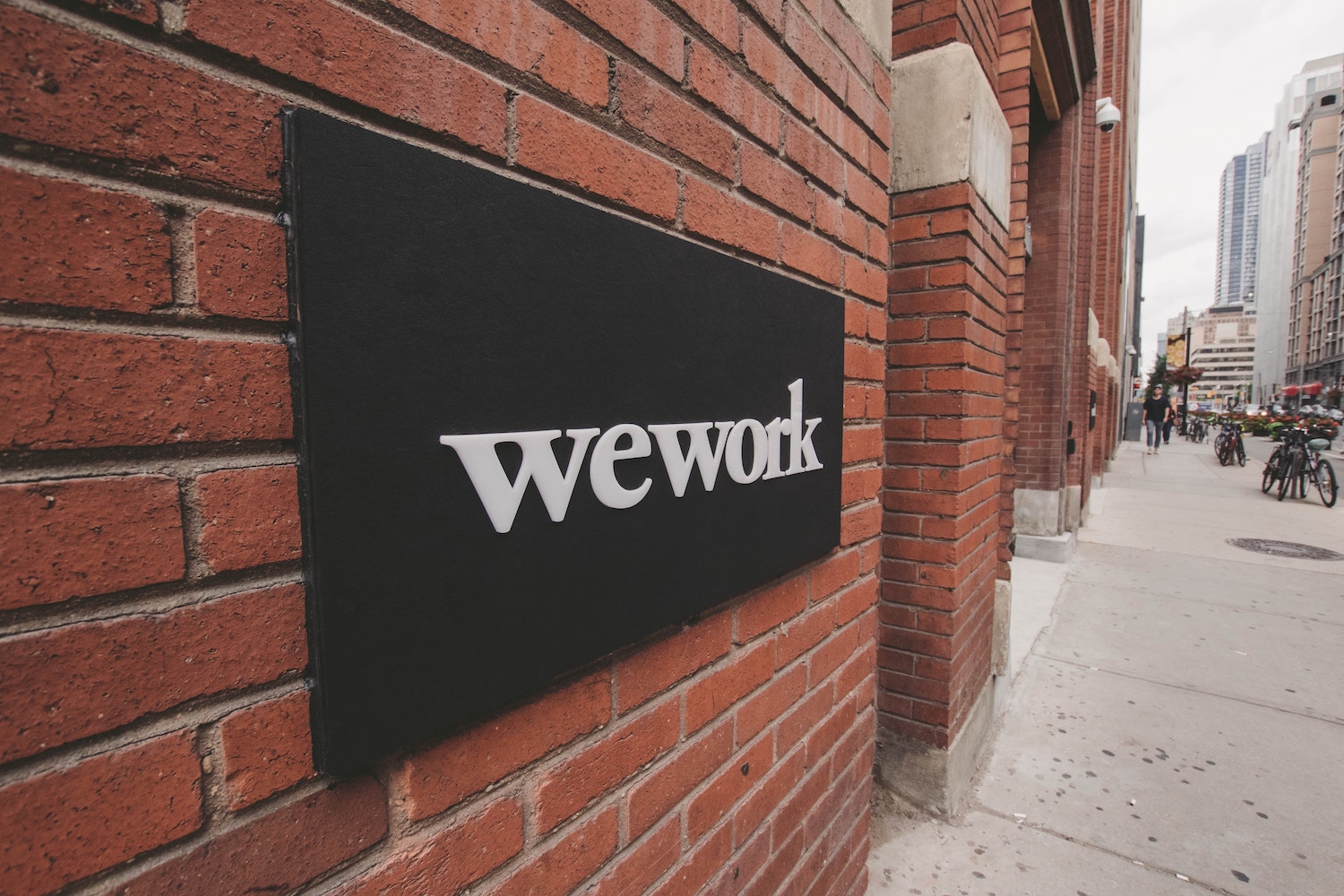
Photo credit: Eloise Ambursley
WeWork entered China in June 2016, its first port of call in Asia.
Both WeWork and Kr Space declined to comment earlier today to Tech in Asia. Shortly after publication, WeWork provided us with a statement. “This is completely untrue. WeWork is committed to its members in Greater China for the long term. The company has been operating in the region since 2016, and is taking a thoughtful approach in how it grows its business. WeWork looks forward to embarking on its next chapter with local members, landlords, partners, investors and governments in the region,” said a spokesperson.
In contrast to WeWork’s dramatic struggles, Kr Space has been cash-flow positive, the source says. Established in 2016 as a spinoff from media startup 36Kr, it already runs 50 co-working facilities with a total of 42,000 workstations, across 10 mainland Chinese cities plus Hong Kong. The firm has raised around US$400 million in disclosed funding from major investors including IDG Capital, separate from its 36Kr business, which specializes in tech news and recently did its initial public offering.
It’s not all smooth sailing for Kr Space, with the startup facing a US$64 million lawsuit for allegedly reneging on a real estate lease in Hong Kong.
Kr Space is up against an array of homegrown workspace startups, such as Ucommune, which is larger with 200 locations across several markets. Last month, Ucommune filed to IPO in the US.
Amid this tight competition, the Financial Times last month reported that WeWork’s China spaces were sparsely populated. According to figures seen by the newspaper, it was suffering vacancy rates of 35.7% in Shanghai, 65.3% in Shenzhen, and 78.5% in its more recently opened Xi’an locations – all far short of WeWork’s global average occupancy rate of around 78%.
New owner stems losses
The development comes three months after WeWork’s founder, Adam Neumann, stepped down amid revelations of profligate spending that included his US$60 million private jet and hiring a circle of cronies consisting of nearly 20 family members and friends.

SoftBank’s Masayoshi Son / Photo credit: SoftBank
Overly rapid expansion also contributed to WeWork’s financial woes – the New York-based startup has posted US$2 billion in losses so far this year.
Weeks after Neumann’s departure, WeWork got a US$9.5 billion bailout from early investor SoftBank, which means that the Japanese conglomerate now effectively owns the struggling startup with an 80% stake.
Stay ahead in Asia’s tech landscape
This is premium content. Subscribe to read the full story.
WeWork seems set to quit tough mainland China market as it struggles with huge losses.
We know this is not ideal. ⌛ Sign up in 20 seconds. Cancel anytime.
Our subscriber community includes professionals from these companies:





Stay updated on the go with our mobile app.
Get latest insights with smoother, more personalized experience through TIA mobile app.








📅 Upcoming Events
22 October 2026
Payoneer x CSPN Summit 2026