 Jum Balea · · 6 min read
Why Uber’s possible exit from Southeast Asia could be bad news for consumers
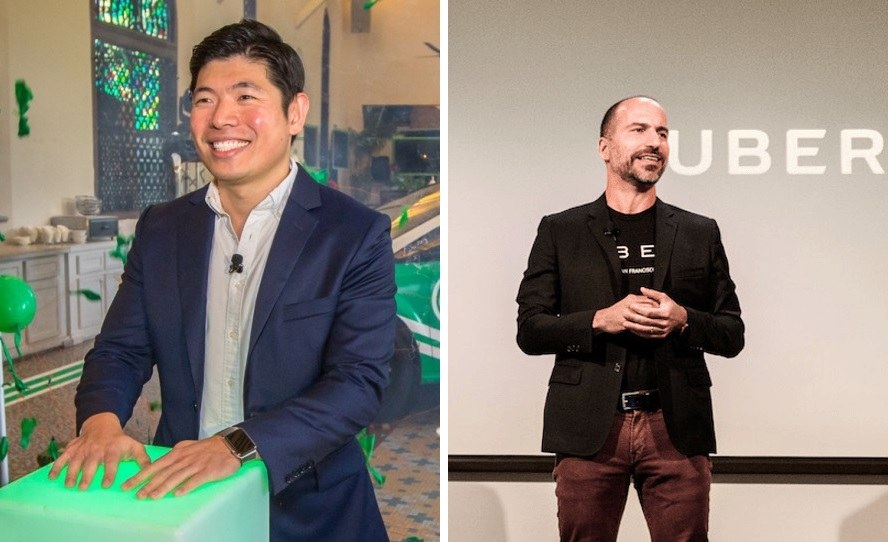
Grab CEO Anthony Tan (L) and Uber CEO Dara Khosrowshahi / Photo credit: Grab, Uber, Tech in Asia
Update on Mar 26: Grab has officially purchased Uber’s Southeast Asia operations. News and analysis here.
Over the weekend, CNBC reported that Uber might be preparing to sell its Southeast Asia business to archrival Grab in exchange for a sizeable stake in the latter.
The truce would bring an end to a fierce and costly fight between the two firms, and cede the region’s ride-hailing market to one dominant player.
While the parties remain mum on the whole thing, some questions come to mind: Is Southeast Asia a losing battle for Uber? Does cutting a deal with Grab make sense? How does it affect consumers? What happens if no consolidation takes place?
Too early for Uber to quit
Uber famously quit China in 2016, after selling off to incumbent Didi Chuxing. Then in 2017, it exited Russia after an agreement with local tech company Yandex. The transactions resolved the unhealthy price wars between them and left Uber with a foot in both markets through its stakes in the companies.
Uber had to bow out of the race because the local players had zoomed past it, and the gap was too difficult to close.
Logically, Uber might be better served if it makes the same move and hand over the keys to its nemesis in Southeast Asia, which is “over-capitalized” and isn’t “going to be profitable any time soon” as CEO Dara Khosrowshahi once said.
Uber can instead focus on its battles and regulatory roadblocks in the US – where it remains to be the dominant player – as well as Europe and everywhere else. For Grab, a deal gives it control of the market and eases the pressure on it to spend for subsidies.
However, Uber’s battle in Southeast Asia might not exactly be a losing one like in China and Russia. Uber might not be on top, but it doesn’t appear to be that far behind. And while Grab has diversified into other things like payments – a route Uber hasn’t taken, Uber has the firepower to continue marching on. It’s done just that by rolling out in Myanmar and Cambodia last year. Khosrowshahi had also dismissed the prospect of consolidation in Southeast Asia even if it’s going to be a long game.
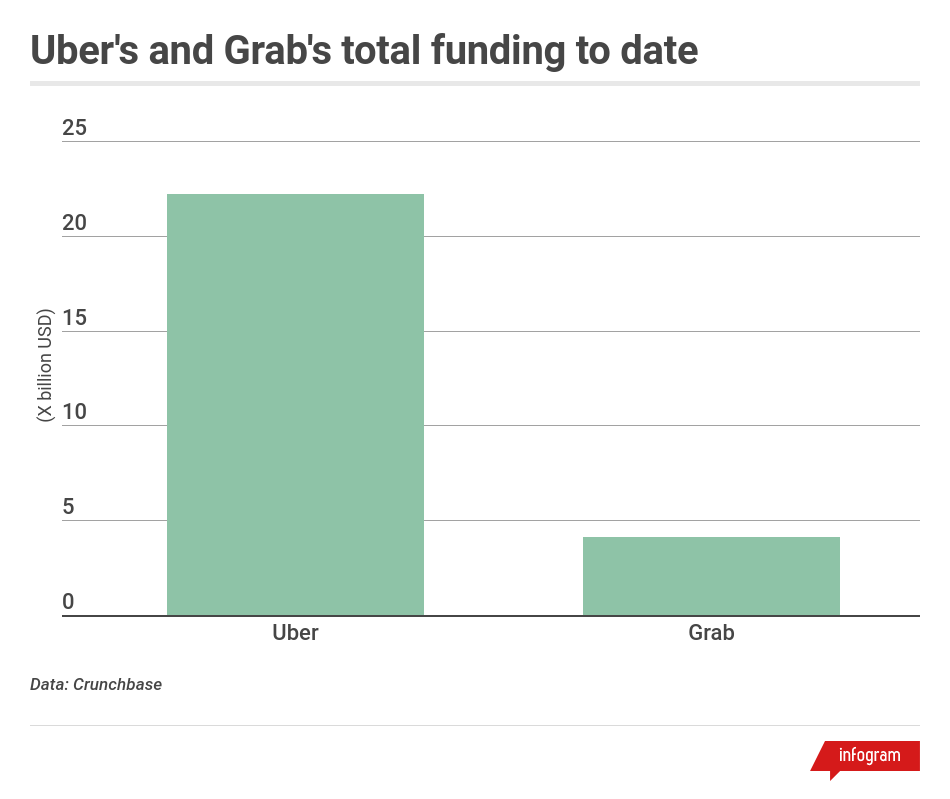
What could prompt it to drop out of the race this early is its IPO ambitions. A highly unprofitable Uber makes investors nervous. That’s why some of its backers are reportedly making the case for Uber to get in bed with rivals in Southeast Asia as well as India. Khowsrowshahi has indicated to investors he wants to shore up the company’s finances ahead of the IPO, hence the China and Russia deals.
Talk about the possible merger with Grab has also intensified ever since SoftBank snapped up a stake in Uber. Observers say the move would play into SoftBank’s efforts to get control of the global ride-sharing market. The Japanese conglomerate also owns shares in Grab, Didi, India’s Ola, and Brazil’s 99, and has publicly expressed interest in Lyft, Uber’s main US competitor.
Monopoly may hurt consumers
How about a duopoly?





Stay updated on the go with our mobile app.
Get latest insights with smoother, more personalized experience through TIA mobile app.










📅 Upcoming Events
22 October 2026
Payoneer x CSPN Summit 2026