 Sarah Dai · · 3 min read
Chinese electric carmaker Xpeng to jump into ride-hailing despite Didi’s losses
Chinese electric vehicle startup Xpeng Motors is making a foray into the country’s ride-hailing market – a move that will intensify competition in a business that has yet to deliver profits for industry giants Didi Chuxing and Uber.
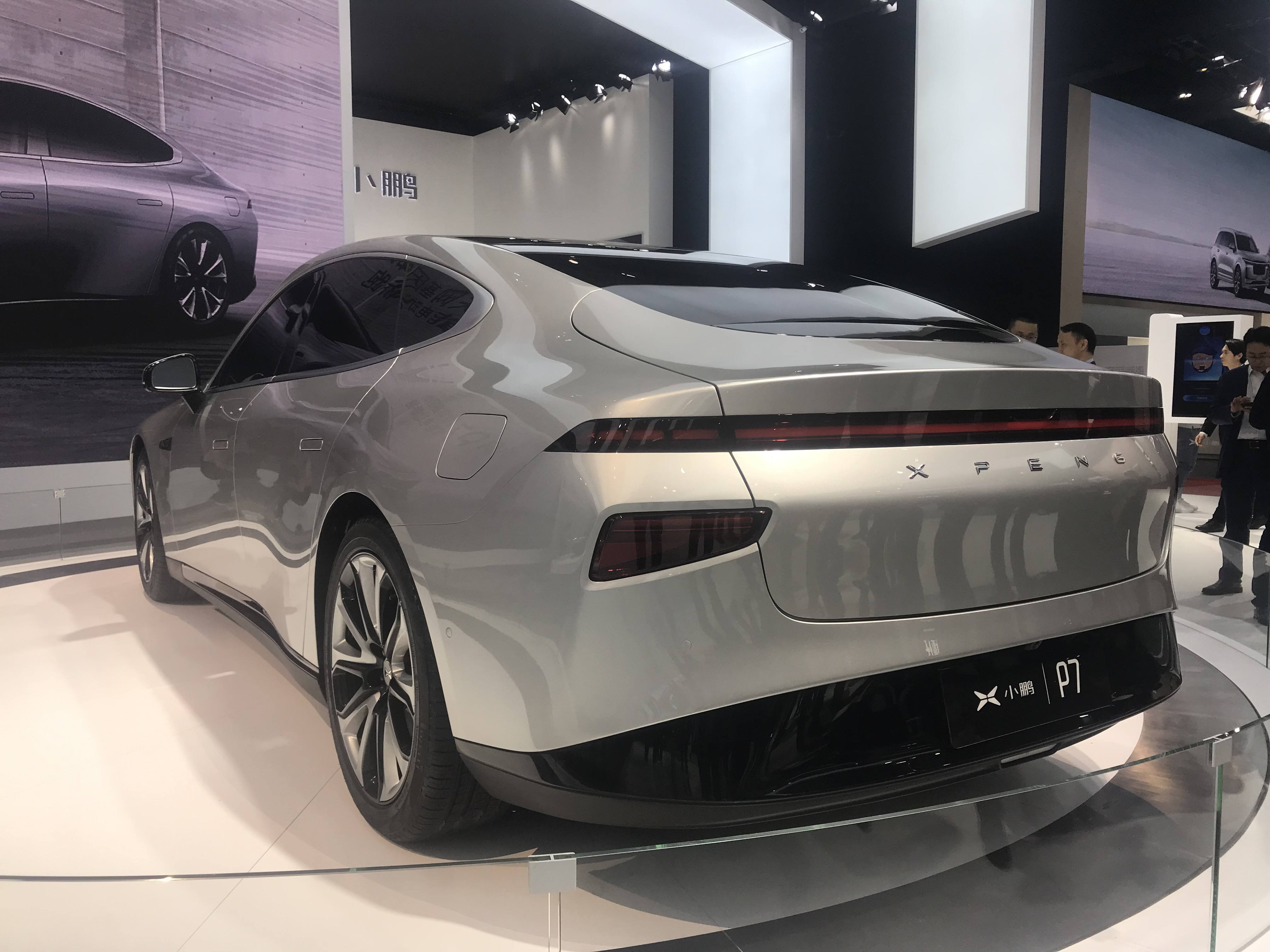
Xpeng P7, the company’s upcoming battery-powered coupe / Photo source: Wikimedia
Alibaba-backed Xpeng, which received a ride-hailing operation license from Guangzhou authorities on Monday, could start trial services as early as this month, according to people familiar with the matter.
“It will be an important component to Xpeng’s ecosystem, with cars as the entry point to broader service offering,” said an employee who declined to be named as the information is not yet public. “The ride-hailing service would enable the company to promote its cars to a larger customer base and improve user experience.”
Job openings for fleet managers, operation and business development specialists in mobility services, were posted on the company’s website in March.
Xpeng declined to comment on the timetable or fleet size of the service, saying that the company’s long-term goal is to “build a smart mobility ecosystem with truly intelligent products, best user experience, and value-added services for customers.”
The move would see the start-up join a growing list of carmakers and internet peers in the ride-hailing fray even though industry leaders continue to post losses despite years of efforts.
In April, Didi revealed that it was losing money on many trips after the country’s largest ride-hailing platform disclosed its financial breakdown for the first time. The company pocketed about 19% of each fare in China on average in the last quarter of 2018, while the overall cost was about 21% of the fare.
“The gap of 2% is shouldered by Didi itself, made up from the capital raised in previous funding rounds to cover [the loss],” Chen Xi, who oversees the ride-hailing business, said in a statement at the time. “The situation is not sustainable in the long run, as we may not be able to continue normal operations if we run out of money one day.”
The financial predicament is shared by Didi’s overseas peers.
Lyft, the first ride-hailing company to have gone public, reported a quarterly loss of US$1.14 billion earlier this month, while newly listed Uber expects its first quarterly loss to be at least US$1 billion, according to an updated initial public offering filing.
Founded in 2014, Xpeng rolled out its first production car, the G3 electric SUV, in December. It unveiled its second model, the P7 four-door coupe, four months later. In April, the company delivered about 2,200 G3 models, according to statistics from the China Passenger Car Association, and by yearend it expects to deliver over 40,000.
The company has raised more than 10 billion yuan (US$1.4 billion) from investors including the Alibaba Group – parent company of South China Morning Post – and Xiaomi Corp founder Lei Jun.
Xpeng’s mobility move comes as a growing number of carmakers are exploring the same strategy.





Stay updated on the go with our mobile app.
Get latest insights with smoother, more personalized experience through TIA mobile app.











📅 Upcoming Events
22 October 2026
Payoneer x CSPN Summit 2026