Originally shared on the IGDA Manila Facebook group, edited and republished by Games in Asia with permission from the author.
Hi, I’m Bari, I made Pretentious Game and Rubpix on mobile, plus a bunch of other flash games! A lot of people have asked me for advice, which is weird as I feel that I still have a lot to learn. But maybe I’m on the first rung of the ladder to success, so here are some things that I’d like to share with you as you make your first leap.
Make a game that fits your abilities
If you want to make a Call of Duty game with Final Fantasy elements, stop reading. I am here to advise you as an indie game developer who would just like to share his experience working within his limits. I started making room escape games as they are just button calls. And ever since I learned about engines, I can also make puzzle platformers and physics-based games.
I really enjoy playing games as well as making them. When I make games, I feel like a kid setting traps for my playmates to overcome. But you also need to remember to make a game that sells. I have been gaming since my childhood, and I still spend time monitoring popular games. You also need to know the market to make something that can sell.
Evolve or die.
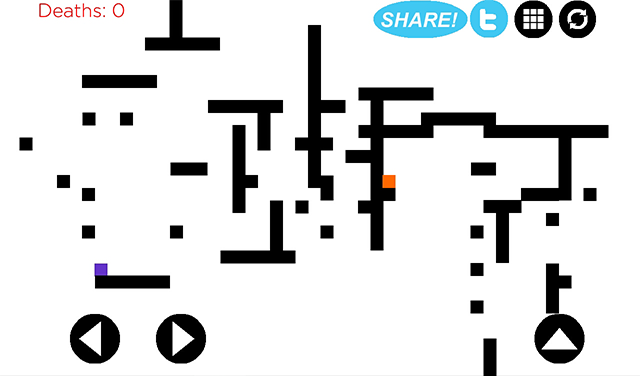
However, having limited abilities doesn’t mean you can’t keep on learning. Try new things with every other game you make. Try to experiment on one project. Eventually, you will have a ton of skills and you can combine them. I don’t think I could have made all those kinds of different level designs in Pretentious Game if I had started on it earlier. It’s a combination of crazy puzzle platformer ideas rolled into one.
Accept criticism.
If a publisher, an admin, a fellow developer or stranger asks for something to be changed in your game, consider it first, then act on it. Doing this lessens friction between you and the commenter: you do what they want, there’s less talk involved, plus they’ll like you more.
In game development, sometimes you feel like you know everything there is, and these people are just messing with you. But I find that good things usually happen when I oblige my critics. I have given this advice to another developer and he also saw success. I sell flash games on FGL.com, and there is a reviewer there who checks on games up for bidding. Sometimes he rejects games and sends them back with critiques. In that particular developer’s case, I told the dev to just do as the reviewer recommended. I usually just do these requests then get a high rating.
We think we’re feeding the admin’s or publisher’s ego, but in return, our games get better. The developer got multiple offers for his game after that. The same thing has happened to me. After bitching about my game being rejected, I made the changes that were asked for, and I sold the game within a week.
I don’t mean to say be a slave to them though. You will know when it’s too much.
It’s also important to listen to your players’ comments. I have been making games for four years and each and every comment I saw on gaming portals has stuck to my head like a game development bible. Game development and other industries count on feedback. While other industries spend money on surveys and statistics, we get them for free. Feedback usually comes with a suggested solution, so never ignore it.
Finish your game.





Stay updated on the go with our mobile app.
Get latest insights with smoother, more personalized experience through TIA mobile app.










