Jofie Yordan · · 2 min read
Experts weigh in on Indonesia’s proposal to ban imported goods below $100
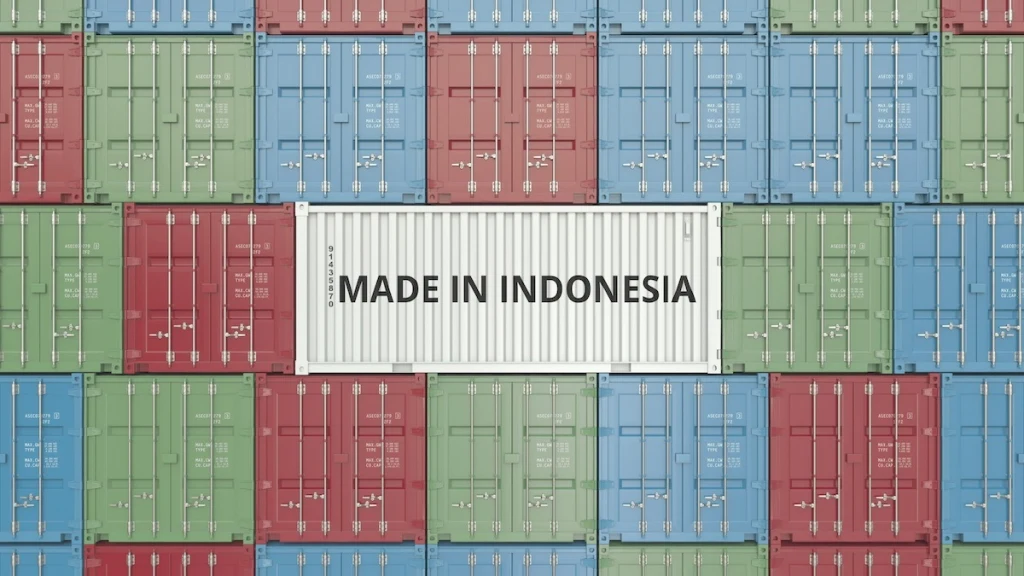
Image credit: 123RF
Trade experts have voiced concerns about the feasibility of Indonesia’s proposal to ban the sale of imported goods below US$100 on ecommerce platforms. This restriction is expected to be included in the upcoming updates to the country’s online trade regulations.
To clarify, this policy only applies to cross-border commerce. Imported goods sold by local sellers with domestic shipping will not be restricted, according to Nailul Huda, a researcher at the Institute For Development of Economics and Finance.
“So, if you want to import products, you must do it through the regular import mechanism to add value to the country’s trade,” Huda told Tech in Asia. “[In cross-border commerce], the traders are from abroad, so the country only earns income from logistics, which isn’t much.”
In Indonesia, Shopee and Lazada have already limited their cross-border services since 2021, while TikTok only allows local sellers on its platform. Temu, the sister platform of Pinduoduo, which primarily engages in cross-border sales, will have more troubles complying with this regulation if it enters Indonesia.
Bhima Yudhistira, director of the Center of Economic and Law Studies, said that the restriction could lead to trade retaliation from countries that feel disadvantaged and lawsuits from the World Trade Organization.
He believes that resellers or consumers might resort to purchasing imported products through illegal channels, which could result in Indonesia losing potential tax revenue.
Currently, there is no clear timeline when the revision of online trade regulations will be completed.
The new rules will also potentially bar digital platforms from both selling their own products and offering goods from affiliates directly to consumers.
Additionally, due to TikTok Shop’s explosive popularity in the country, the government said it will establish clear distinctions between ecommerce and social commerce.
Yesterday, Teten Masduki, Indonesia’s minister of cooperatives and SMEs, called TikTok “monopolistic” and threatened to ban it from functioning as both a social media and ecommerce platform.
See also: TikTok’s Project S triggers alarm bells in Indonesia
Editing by Thu Huong Le and Dhania Putri Sarahtika
(And yes, we’re serious about ethics and transparency. More information here.)





Stay updated on the go with our mobile app.
Get latest insights with smoother, more personalized experience through TIA mobile app.