- Premium Content It takes our newsroom weeks - if not months - to investigate and produce stories for our premium content. You can’t find them anywhere else.
 Melissa Goh · · 10 min read
Do food delivery platforms deserve the public beating they’re getting?
These days, Colin Chen has taken on the mantle of restaurant manager, logistics operator, and software engineer.
The owner of The Refinery, a yakitori joint located in central Singapore, has set up a delivery system using free software to supplement profits, which have plunged as the country banned dine-in eating and shut offices as part of measures to curb the Covid-19 pandemic.
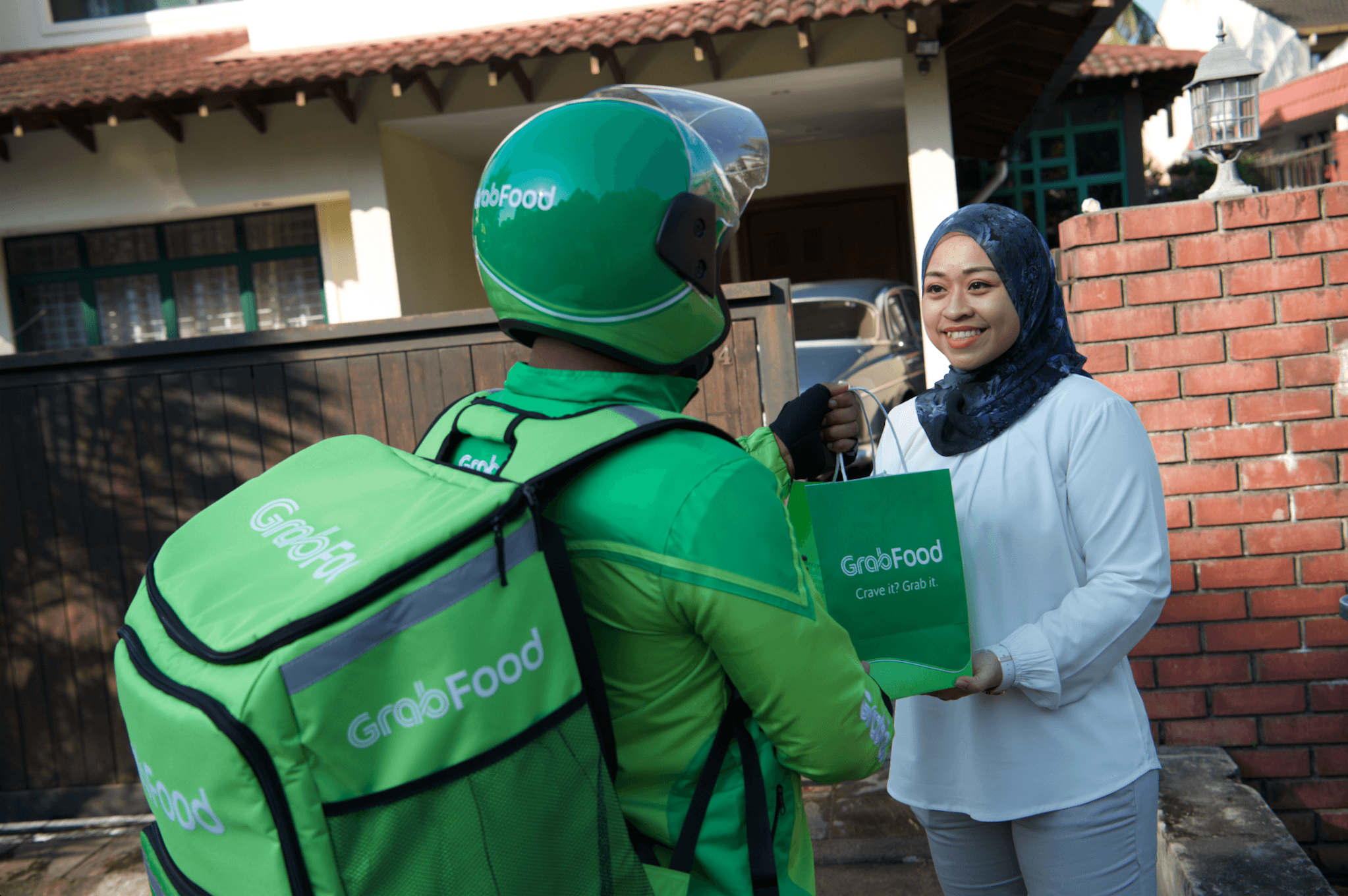
GrabFood / Photo credit: Grab
Chen’s plight, which he has shared in a Facebook post that has since gone viral, is calling into question the seemingly exorbitant fees that food delivery operators are charging food establishments.
With online deliveries now a main source of income – making up over 80% for some – restaurateurs are feeling the pinch from the hefty commission fees even though food delivery companies in Singapore that Tech in Asia spoke to say their rates haven’t changed. In fact, while their fees seem expensive, platforms only take a small cut, with the lion’s share going to riders, this publication finds.
Regardless, food establishments have turned to alternative methods to survive – whether it’s sourcing their own delivery drivers, pushing out their menus on open Facebook groups to gain visibility, or figuring out an internal online ordering system. Attractive options apart from the city-state’s three main players – GrabFood, Deliveroo, and Foodpanda – have also emerged, charging a fraction of the commission fees. But these alternatives often don’t seem to offer the full range of services that the main platforms do.
It seems that, for now, many F&B operators have little choice but to embrace the services of the main food delivery firms.
The numbers are telling: Foodpanda, which serves 9,000 restaurants and hawkers on its app, said that the number of merchants on its platform had increased by 200% in the past month, while GrabFood has onboarded more than 1,500 merchants in Singapore since January. The number of orders on GrabFood has also increased by 20% since early April.
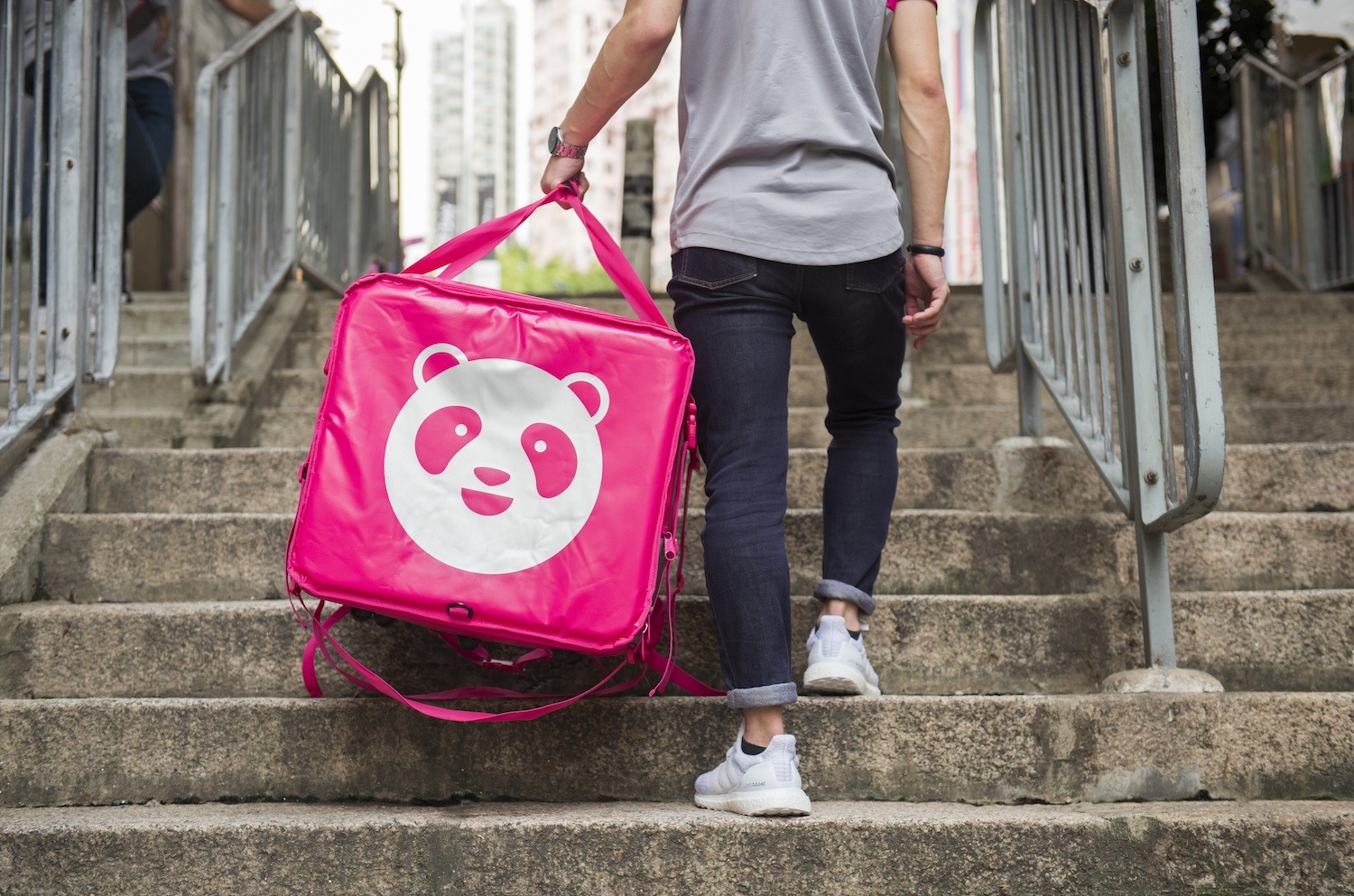
Photo credit: Foodpanda
“They choose to work with a delivery platform like GrabFood as it allows them to onboard quickly and minimizes the upfront cost and resource needed to start and maintain an online business,” a Grab spokesperson tells Tech in Asia. Grab’s technical, fleet, and customer support also ensures orders are fulfilled within a given timeframe, the spokesperson adds.
Caught in a media storm
GrabFood currently charges merchants “up to 30%” in commissions for every order, while Foodpanda’s fees are between 30% to 35%. These fees depend on an establishment’s brand name, number and location of outlets, and type of cuisine, and average basket size, a Foodpanda spokesperson says.
Delivery operators are not planning to slash rates, however. Instead, Grab is hastening the pace of onboarding food merchants and “offering commission rebates, commission deferrals, and marketing support so they can better manage their cash flow during this period,” group CEO Anthony Tan said in a press statement.
I’ve turned off our Grab terminal.
Are fees really that exorbitant?
A lack of alternatives?
David vs. Goliath
Stay ahead in Asia’s tech landscape
This is premium content. Subscribe to read the full story.
Food delivery operators have been thrust into the spotlight for the hefty fees they’re commanding from struggling food establishments.
We know this is not ideal. ⌛ Sign up in 20 seconds. Cancel anytime.
Our subscriber community includes professionals from these companies:





Stay updated on the go with our mobile app.
Get latest insights with smoother, more personalized experience through TIA mobile app.