- Premium Content It takes our newsroom weeks - if not months - to investigate and produce stories for our premium content. You can’t find them anywhere else.
 Derek Cai · · 5 min read
Filipino convenience store owners aren’t making much. A startup is changing that
Growsari from the Philippines hopes to double the income of sari-sari store owners.
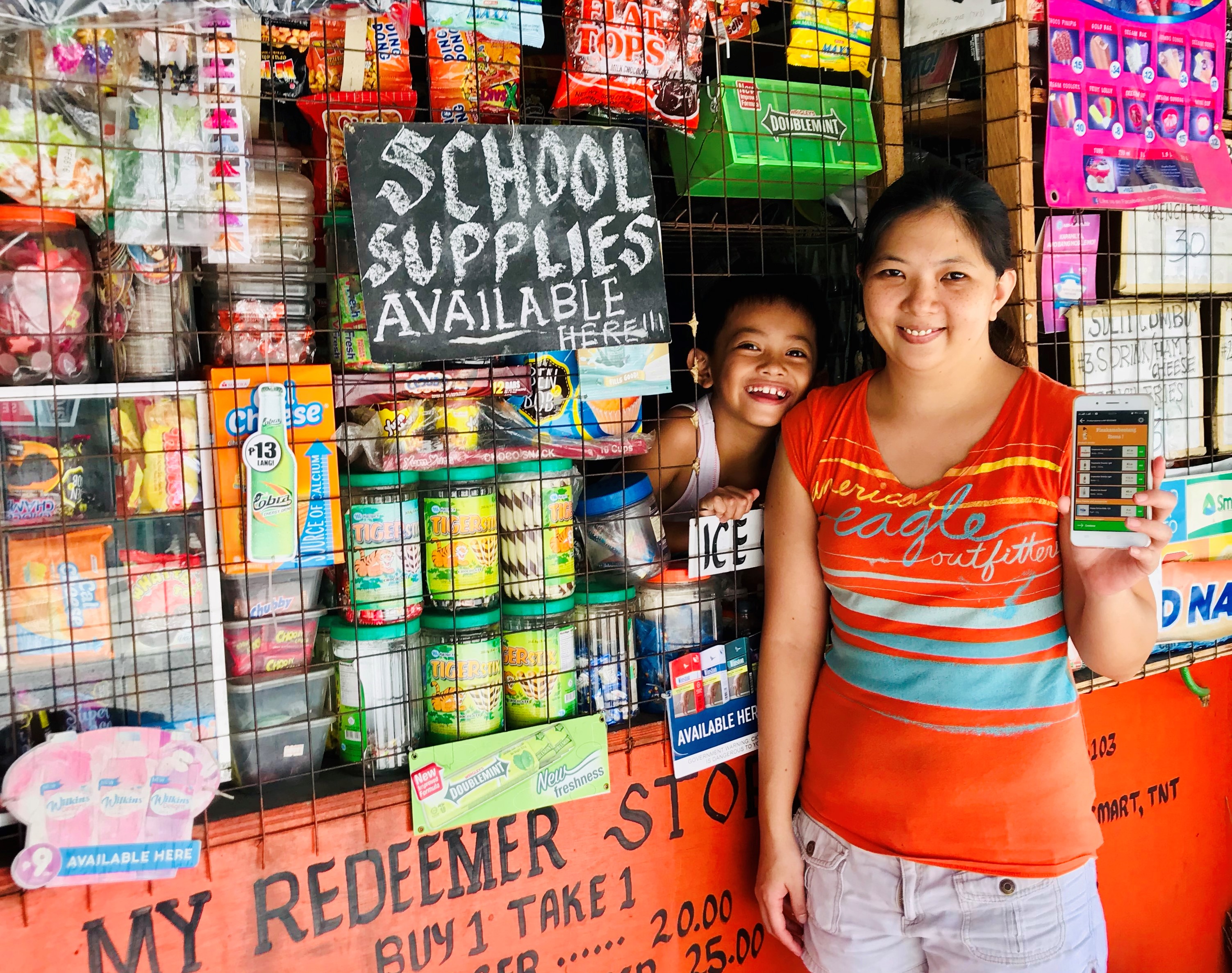
A sari-sari store owner in the Philippines / Photo credit: Growsari
In the Philippines, over a million family-run convenience stores – also known as sari-sari stores – could soon get a boost from a local startup called Growsari. A play on the word “grocery,” the business uses technology to boost earnings for mom-and-pop stores.
“Because of the fragmented nature and small size of most stores, with lots of layers in the supply chain, most store owners struggle to make a decent living,” explains Raymund Erwin Rollan, one of Growsari’s founders.
Born and raised in the Philippines, he has seen firsthand the untapped opportunities in the microbusiness economy. “Companies that want to invest in them can’t do it sustainably,” Rollan tells Tech in Asia.
At present, the two-year-old company, which raised a seed round from Wavemaker Partners, works with a base of around 6,000 sari-sari stores in three Filipino cities. That’s up from just 1,000 stores in June 2017. The founders have also just secured a second round of funding and multiple partnership deals with retailers – developments that they claim will give the startup four to five years to scale the model nationwide.
Like Rollan, Growsari’s other founders have worked for traditional consumer product companies like Unilever and Proctor & Gamble, as well as consulting firms like Boston Consulting Group.
Their collective experience made them realize that “sari-sari stores are the biggest distribution channels.” However, the relationship between these trading companies and sari-sari stores is riddled with problems.
Problems faced by sari-sari stores
*The first recorded appearance of a sari-sari store dates back to the 1500s in the Philippines. Since then, these family businesses have been the backbone of the Filipino grassroots micro-economy, according to Magna Kultura Foundation, an NGO that promotes educational, cultural, and socio-civic activities in the country.
According to the foundation, the country’s network of sari-sari stores accounts for almost 70 percent of sales in the manufactured consumer food sector.
Sari-sari stores are often the most convenient shopping points for Filipino families, notes Rollan. Yet many of the store owners are not trained in business and are simply operating them out of convenience and necessity.
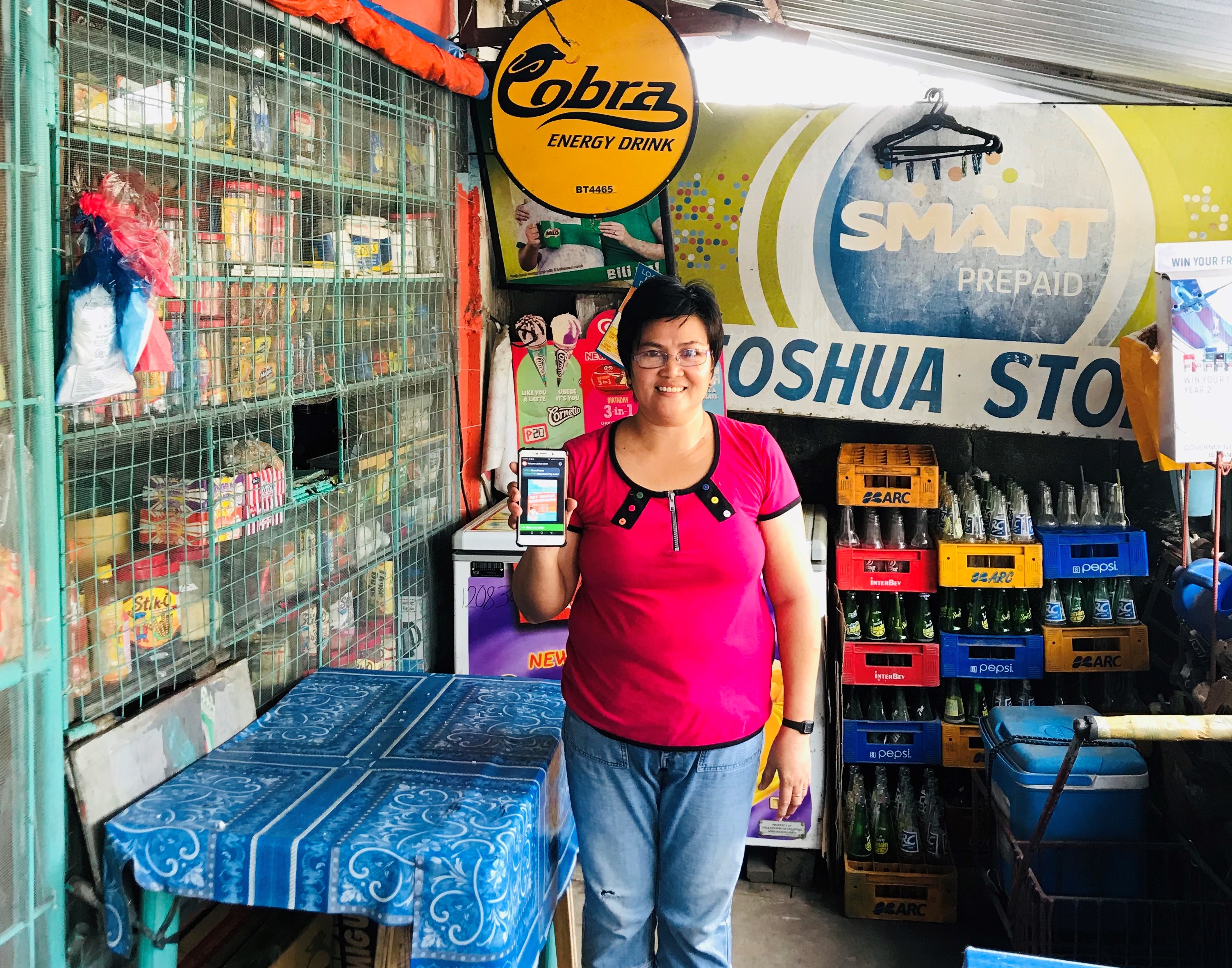
Photo credit: Growsari
“The barrier to enter the retail market is low. So, for those people living in low-income areas who have difficulties finding a job, running the shop is the way to generate income for the families,” according to a research paper that studies the role of home-based micro-enterprises in the Philippines.
Enter Growsari
Powering through a difficult terrain
Stay ahead in Asia’s tech landscape
This is premium content. Subscribe to read the full story.
Growsari from the Philippines hopes to double the income of sari-sari store owners.
We know this is not ideal. ⌛ Sign up in 20 seconds. Cancel anytime.
Our subscriber community includes professionals from these companies:





Stay updated on the go with our mobile app.
Get latest insights with smoother, more personalized experience through TIA mobile app.








📅 Upcoming Events
22 October 2026
Payoneer x CSPN Summit 2026