C. Custer · · 4 min read
Huawei’s PR fail highlights wrongheaded approach for China’s tech giants
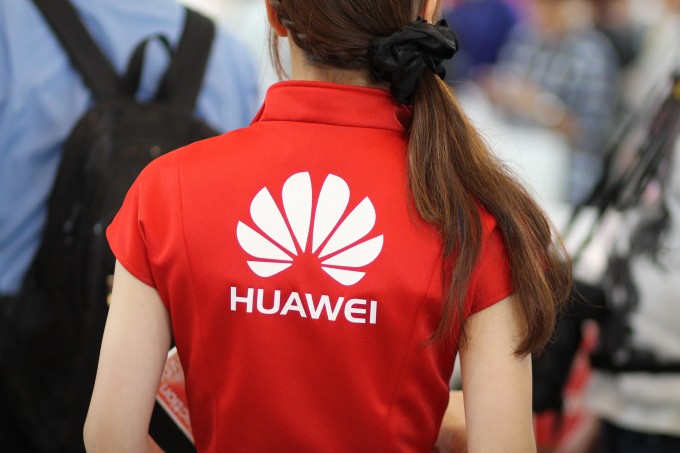
If you Google news for “Huawei” right now, the first response that pops up is a news article in the Australian Financial Review called “Huawei’s Epic PR Fail.” You may already have heard the story, which has been making the rounds in China’s tech scene as a so-bad-it’s-funny example of how not to do PR.
In case you missed it, though, here’s a quick recap: a bunch of foreign journalists went on a government-organized tour of several big Chinese tech companies designed to give them a chance to show off their facilities and technology. But the Huawei stop was weird. First, Huawei told reporters they couldn’t photograph anything for “security reasons.” Then, when a reporter asked about Huawei’s connections to the government reporters were told there was no comment. Then they were told they couldn’t mention Huawei at all in their articles, or even the name of their tour guide. When confused reporters wondered why they’d been invited in the first place, then, a PR person apparently told them: “We didn’t invite you. It was the government that invited you and now you should leave.”
This would be terrible PR under any circumstances, obviously, but it’s especially absurd that Huawei screwed up this badly. The question about Huawei’s ties to the government is one the company has been getting constantly for the past five years. The fact that it doesn’t have a good answer by now is pathetic, and the fact that local PR was apparently caught off guard by this and decided to try to take the tour off the record as a result of it is simply astounding.
The real problem, though, is one that Huawei shares with many other Chinese tech companies: a strong divide between its local PR team and its international PR team. Having two separate teams makes sense on its face, because the way PR works is quite different domestically versus internationally. The problem is that it’s virtually impossible to shoehorn journalists into only communicating with one team or the other. And when Chinese domestic PR teams have no idea how to deal with international journalists, the results can be ugly.
Will Moss, a Motorola PR executive who lived in China for years, said as much recently on Twitter in response to the Huawei debacle:
Lesson from Huawei's PR fail: "international" PR can't be different from "China" PR for ostensibly global company. http://t.co/Y19jzyRfpk
— William Moss (@imagethief) June 9, 2015
Admittedly, Huawei’s is an extreme case. Few Chinese tech companies have proved as inept at global PR. But many share the same global/domestic PR divide, which can lead to trouble if the domestic PR team don’t have at least some idea of how the global press works. And it’s clear that at least at Huawei, they don’t: telling journalists not to write about something is one of the surest ways in the world to get them to write about it (unless it was off the record, which this tour wasn’t – you don’t get to declare things off the record retroactively).
This global/domestic PR divide has been a problem at Chinese tech companies virtually from the beginning. In his book Alibaba’s World, for example, Porter Erisman talks about the divide between Alibaba’s global PR team in Hong Kong and the rest of the team in Hangzhou during the company’s early days. The hotshot global guys were the ones who screwed up in this case – they felt that Jack Ma was “embarrassing” and shouldn’t be the face of the company. But at its core it’s the same problem: in Alibaba’s case, a global PR team was trying to make decisions on behalf of a domestic team it didn’t really understand. In Huawei’s case, a domestic PR team was trying to make decisions on behalf of a global team it didn’t really understand.
And the thing is, these mistakes matter. Most of Alibaba’s global PR executives from the early days got fired. And the story about Huawei’s bungling PR is now crowding out stories about its Honor 7 and P8 Lite smartphones that would otherwise have the top spots on Google News and elsewhere. Huawei’s poor global PR staff are now left to clean up a mess they likely had nothing to do with creating.
It’s a funny story, but it should also be a warning shot for China’s global tech companies. As Moss says, any company that wants to be truly global must put more effort into integrating and unifying its PR teams if it hopes to avoid this kind of embarrassing mishap. China and the West may be very different markets, but China is full of foreign journalists, and letting an inexperienced (and in Huawei’s case weirdly defensive) domestic PR team handle them is a recipe for disaster.





Stay updated on the go with our mobile app.
Get latest insights with smoother, more personalized experience through TIA mobile app.