- Insights This article was written by a TIA community member. Insights pieces undergo the same rigorous editorial process that newsroom-produced articles have.
 Jianggan Li · · 3 min read
Why TikTok, Shopee, and Lazada are following in Temu’s footsteps
Temu has taken the global ecommerce market by storm. In April, its eighth month since launching in the US, Temu’s gross merchandise value in the country was approaching US$400 million, according to YipitData.
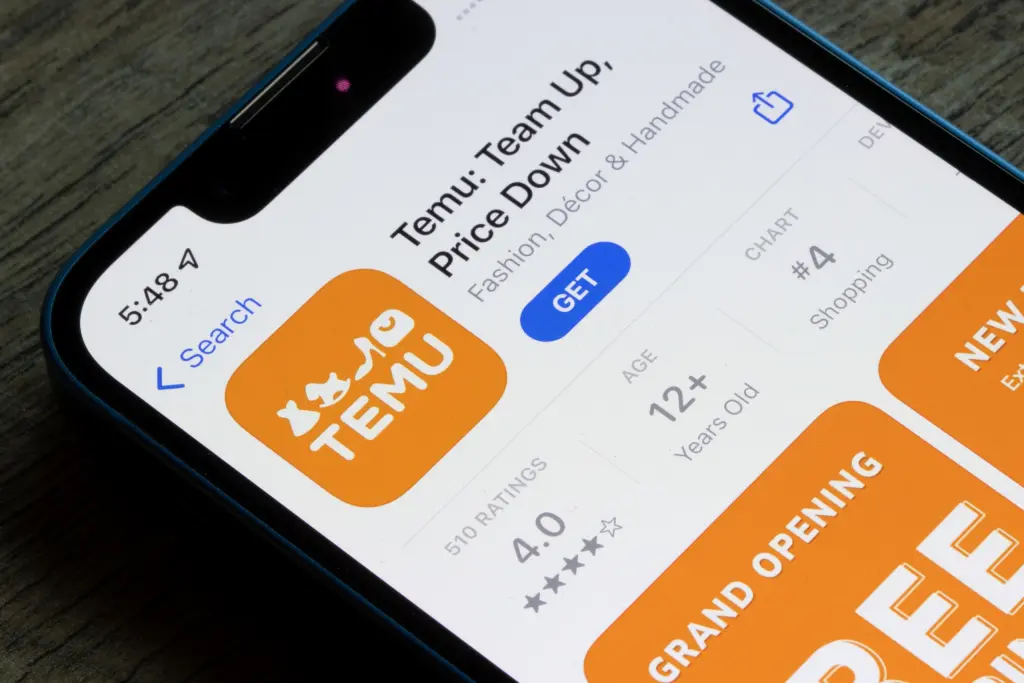
Photo credit: Tada Images / Shutterstock
At business dinners in Hangzhou, Panyu, and Shenzhen – where the cross-border ecommerce ecosystem is concentrated – discussions are centered around Pinduoduo’s sister company. Estimates from cross-border sellers that I’ve spoken to have Temu’s average order value above US$30, while the average item value is less than US$5 – enviable figures however you slice it.
Temu’s rapid rise drew a lot of attention from its competitors. Many ecommerce platforms seem to think Pinduoduo’s model – roughly translated to “fully managed” or “all-inclusive” – is worth trying.
Under this model, sellers, manufacturers, or brands just need to agree on a price (paid by the platform) and ship the goods to the company’s warehouses. The platform handles everything else, including front-end marketing, logistics and fulfillment, and customer service.
It also sets the price for consumers. And instead of earning commissions or fees, its revenue comes from the difference in price between what it collects from consumers and what it pays to the sellers, manufacturers, or brands.
See also: Why SEA should watch out for Shein’s top rival Temu
Known as the consignment model, the scheme requires little working capital requirements or inventory risk. Safe to say, it’s becoming popular among ecommerce sites.
Lazada launched its consignment model to cross-border sellers on April 25 this year, TikTok announced its “all-inclusive” consignment scheme on May 16, while Shopee is also reportedly working on launching its own version.
The benefits of a well-run consignment model are manifold:
- Sellers/manufacturers/brands do not have to manage the complexities of marketing, fulfillment, and customer service. This encourages more suppliers to join the platform.
- Consumers get a consistent customer service and shopping experience (e.g., when I order six items from different suppliers, they all arrive at the same time in one package).
- The platform can maximize operational efficiency without worrying about working capital requirements or inventory risk.
- Logistics providers just need to interface with the platform, instead of a myriad of sellers.
However, the model also has many caveats.
First, can platforms pull off the requirements of consignment? The process is different from running marketplaces, which many platforms usually start from.
Under the consignment model, the site needs to do much more, like marketing, fulfillment, and customer service. It needs the capabilities to do all these effectively.





Stay updated on the go with our mobile app.
Get latest insights with smoother, more personalized experience through TIA mobile app.