- Premium Content It takes our newsroom weeks - if not months - to investigate and produce stories for our premium content. You can’t find them anywhere else.
 Nicole Jao · · 7 min read
Alibaba takes another shot at online games: genius move or a bad call?
Jack Ma famously said that he’d “rather starve to death than live on games,” expressing his disapproval of how excessive online gaming is eroding China’s young minds. But apparently, the country’s gaming industry is too lucrative a market that not even an ecommerce titan like Alibaba could afford to sit on the sidelines.
Over the past six years, Alibaba has made several futile attempts to crack the gaming market, where its archrival Tencent reigns supreme on many fronts.
But in September 2019, Alibaba’s Three Kingdoms: Strategy Edition mobile game became a smash hit in China, setting things in motion for the company.
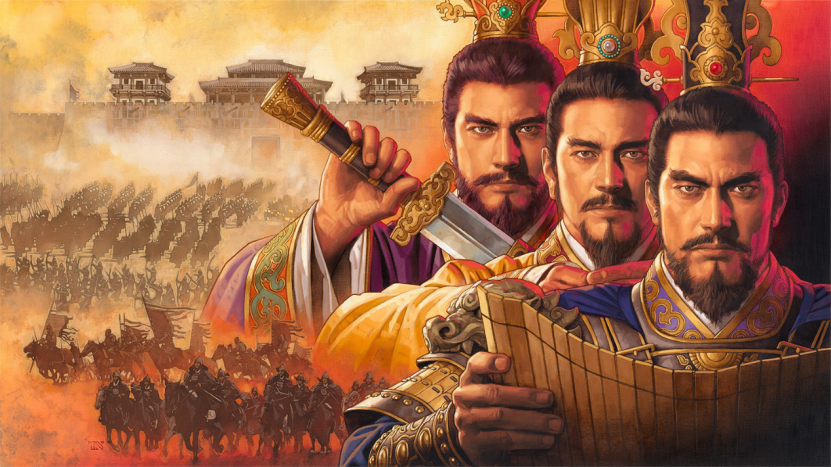
Photo credit: Ejoy
Alibaba rolled out another mobile game with the same theme this year and restructured its sprawling entertainment business to accommodate its renewed focus on games.
The company’s breakout success in mobile games owes much to heavy acquisition and promotion efforts. All that work might be well worth it, as games could potentially increase Alibaba’s revenue in China and beyond.
New strategy
With two self-developed titles under its belt, Alibaba got a much-needed confidence boost to give games another shot. Its decision to spin off its Lingxi Games unit from its entertainment arm signals a shift in its strategy.
Alibaba’s entertainment division was set up in 2016 to consolidate business units including gaming, video and music streaming, movies, and ticket booking. The department continues to be one of the company’s biggest loss-makers.
But Alibaba actually began pursuing its interest in gaming as early as 2014, when it purchased the mobile browser and gaming platform UCWeb, which was later renamed to Aligames.
Gaming is a strategic vertical for tech companies in China and is a key way to generate additional revenue from a large audience.
This acquisition was only one of the steps that Alibaba took to build up its gaming capabilities.
In 2017, the company announced a 1 billion yuan plan to partner with other mobile gaming companies to distribute its games in China and overseas.
That same year, Alibaba acquired game developer Ejoy, the creator of Three Kingdoms: Strategy Edition.
Despite these efforts, however, Alibaba didn’t make a real splash in the market.
A threat to Tencent’s dominance?
Stay ahead in Asia’s tech landscape
This is premium content. Subscribe to read the full story.
After years of unfruitful attempts, Alibaba finally scores a win in the gaming market with two Three Kingdoms-themed titles.
We know this is not ideal. ⌛ Sign up in 20 seconds. Cancel anytime.
Our subscriber community includes professionals from these companies:





Stay updated on the go with our mobile app.
Get latest insights with smoother, more personalized experience through TIA mobile app.








📅 Upcoming Events
22 October 2026
Payoneer x CSPN Summit 2026