- Premium Content It takes our newsroom weeks - if not months - to investigate and produce stories for our premium content. You can’t find them anywhere else.
 Samreen Ahmad · · 7 min read
Get car parts faster than pizza? Inside Indian B2B quick commerce
When you type Amicco into a search bar, you won’t find a website to scroll through.
Instead, the India-based startup is silently working on what it hopes will be a breakthrough in B2B quick commerce. Founded by former auto executive Vivek Aalok, the company delivers spare car parts to around 100 garages in Gurugram, promising to fulfill shipments in just 30 minutes.
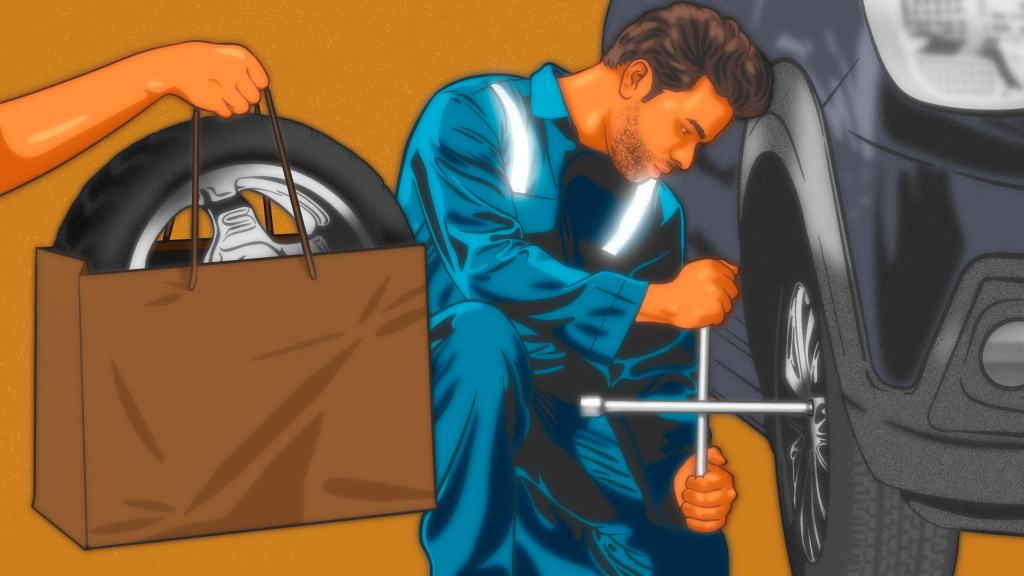
Image credit: Timmy Loen
Aalok, who spent more than a decade in the automotive industry, says speed is critical in this market. “A customer won’t wait hours while the mechanic hunts for spare parts,” he tells Tech in Asia.
The surge of new car models on Indian roads has also made it harder for neighborhood garages to keep the right parts in stock. Aalok believes quick commerce can help solve both the urgency and availability problem for these small businesses.
Amicco currently operates a 4,000-square-foot warehouse in Gurugram and plans to add a second facility soon in the same city. By 2026, its founder hopes to scale to 20 warehouses across India’s top five cities and estimates that the country’s spare parts market could grow to US$10 billion by 2030.
Besides Amicco, other B2B startups have entered quick commerce such as myTVS in automotive parts and Fairdeal.Market in fast-moving consumer goods. The logic is straightforward: If consumers can get groceries delivered in 10 minutes, why should businesses wait days for critical parts?
“You may not need auto parts in 10 minutes, but you won’t wait for three days either,” says Sidhartha Bhimania, co-founder of quick commerce enablement platform Omnivio.
Still, the question lingers: Does the math really work? Even leading B2C quick commerce firms like Zepto and Blinkit, despite operating at massive scale, have yet to turn profitable.
A numbers game
Most quick commerce stories stumble on one thing: margins.
Aalok agrees that B2B quick commerce in most categories may not be attractive, as the profits are too low. But he says auto parts is a “pretty decent margin” business.
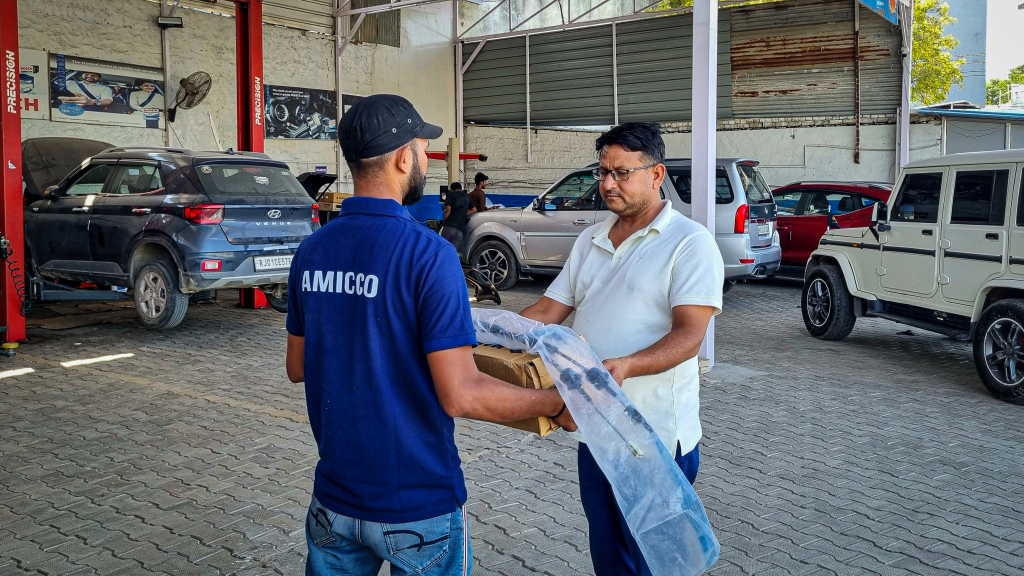
An Amicco partner delivering auto parts in Gurugram, India/ Photo credit: Amicco
To put it in perspective, B2B ecommerce players operate at 6% to 7% trade margins, while a B2C ecommerce player like Flipkart runs at 20% to 25%, he says.
From niche to necessity?
Stay ahead in Asia’s tech landscape
This is premium content. Subscribe to read the full story.
Indian startups like Amicco are betting on 30-minute car parts delivery, bringing quick commerce to B2B. But will the model work?
We know this is not ideal. ⌛ Sign up in 20 seconds. Cancel anytime.
Our subscriber community includes professionals from these companies:





Stay updated on the go with our mobile app.
Get latest insights with smoother, more personalized experience through TIA mobile app.