- Premium Content It takes our newsroom weeks - if not months - to investigate and produce stories for our premium content. You can’t find them anywhere else.
 Aditya Hadi Pratama · · 6 min read
Behind Ajaib’s $100m push to become a digital bank
Accumulating a 40% stake in publicly listed Bank Bumi Arta marks Ajaib’s expansion into digital banking. The investment app, which spent around US$100 million to build up its stake, is the latest tech company to enter the space in Indonesia after GoTo, Sea Group, Akulaku, Kredivo, and Bukalapak, among others.
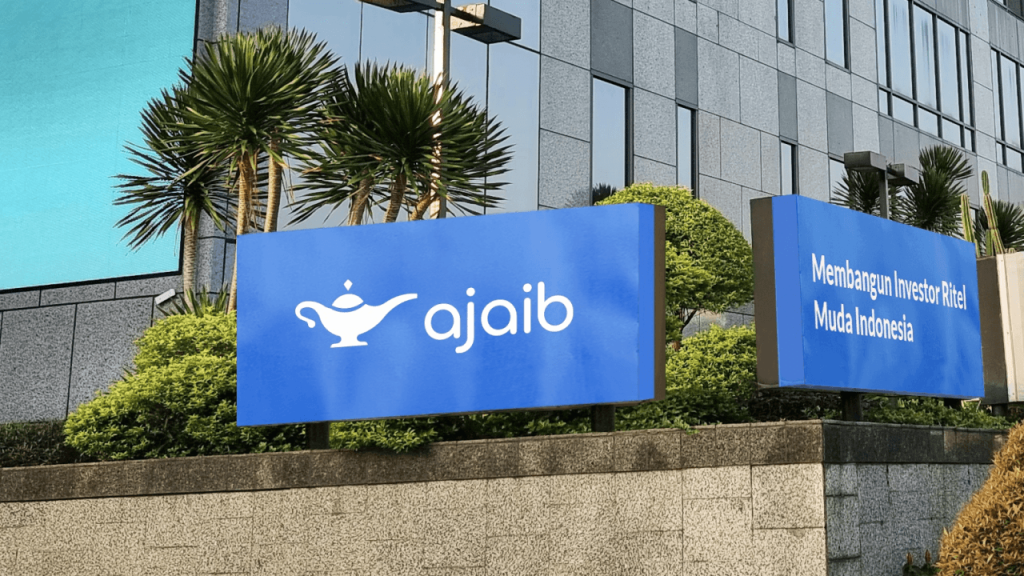
Photo credit: Ajaib
Since its inception, Ajaib has raised more than US$245 million from prominent investors including DST Global, Ribbit Capital, SoftBank Ventures Asia, and Horizons Ventures. Spending around 41% of this money to invest in a listed bank says much about where Ajaib sees the future of financial services is headed.
This move may broaden Ajaib’s customer base, which is currently dominated by millennials and generation Z. It can also help the company offer other services to current users and increase its chances of profitability.
Expanding the funnel and enhancing user retention
Ajaib was founded by Anderson Sumarli and Yada Piyajomkwan in 2018. That same year, the startup was also admitted to Y Combinator, the renowned US-based accelerator program.
At present, Ajaib’s main offering is an app for trading stocks and mutual funds.
Edward Lowis, a senior analyst at local brokerage firm Sucor Sekuritas, says that Bank Bumi Arta can be a marketplace for Ajaib’s current and future products.
Most of the startup’s users are young people who tend to be more affluent and have high income. As such, it makes sense to offer them other high-margin financial services as well.
Lowis suggests that the bank can help Ajaib attract more users who do not currently invest. In fact, the number of stock traders in Indonesia is still at 8.4 million, or only 3% of the total population. It’s far lower than in other Southeast Asian countries such as Singapore (26%) and Malaysia (9%).
“Banking is the easiest way to increase financial literacy in the country,” Lowis opines. With greater financial literacy, more users may then be encouraged to trade via Ajaib.

Ajaib founders Anderson Sumarli (left) and Yada Piyajomkwan / Photo credit: Ajaib
Integrating with a bank can also help Ajaib boost user retention, says Yinglan Tan, managing partner of Insignia Ventures Partners, which has invested in Ajaib.
“This trajectory enables Ajaib to have stronger ownership over distribution and greater visibility into the full customer journey. This will not only create flexibility for users but also increase their long-term trust and usage, which is critical in developing monetization and profitability,” Tan tells Tech in Asia.
Investment already in the black
Eyeing financial super-app territory
Stay ahead in Asia’s tech landscape
This is premium content. Subscribe to read the full story.
Investment platform Ajaib’s move into digital banking signals its ambition to become a financial super app.
We know this is not ideal. ⌛ Sign up in 20 seconds. Cancel anytime.
Our subscriber community includes professionals from these companies:





Stay updated on the go with our mobile app.
Get latest insights with smoother, more personalized experience through TIA mobile app.








📅 Upcoming Events
22 October 2026
Payoneer x CSPN Summit 2026