Erik Crouch · · 5 min read
Big data is a big deal for diabetics – and this startup knows it
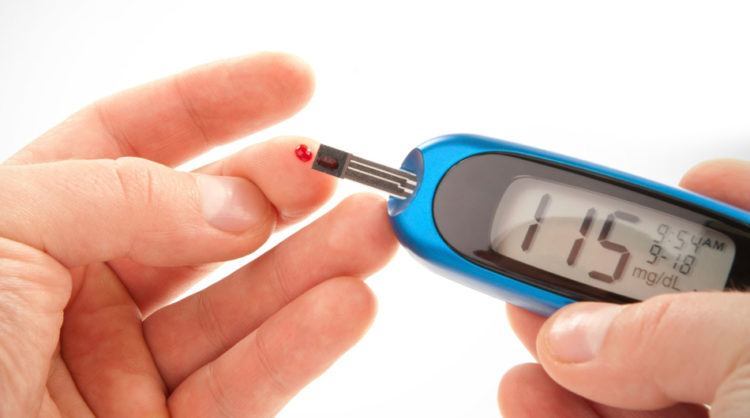
Image credit: CareWorld.
Few diseases are so intimately connected with technology and data as diabetes. From insulin pumps to blood sugar meters, people with diabetes have long been familiar with the tech side of healthcare.
But if you’ve seen a blood sugar meter (known as a glucometer) lately, you could be forgiven for thinking that the tech hadn’t progressed much since the days of flip phones. Most of the devices are “dumb” in the techy sense of the word – they do one thing, and do it well, but they are hardly cutting edge.
“First, users just wanted data,” says entrepreneur Ed Deng, referring to classic glucometers. “But now, they want feedback and analysis of their data.”
Ed set up his startup, Health2Sync, with the mission of bringing diabetes monitoring into the age of the smartphone. It has all of the accoutrements of a modern app – from cloud storage to a social network – as well as a few that aren’t exactly standard fare, like the ability to live healthier and maybe save quite a bit on health insurance.
Putting the patient in charge
Health2Sync is an app and a phone dongle. Using an Android iPhone’s headphone jack, you can plug the glucometer in, where it will sync precise data about blood sugar over time. You can also enter in information about their exercise levels, diet, medications, and more.
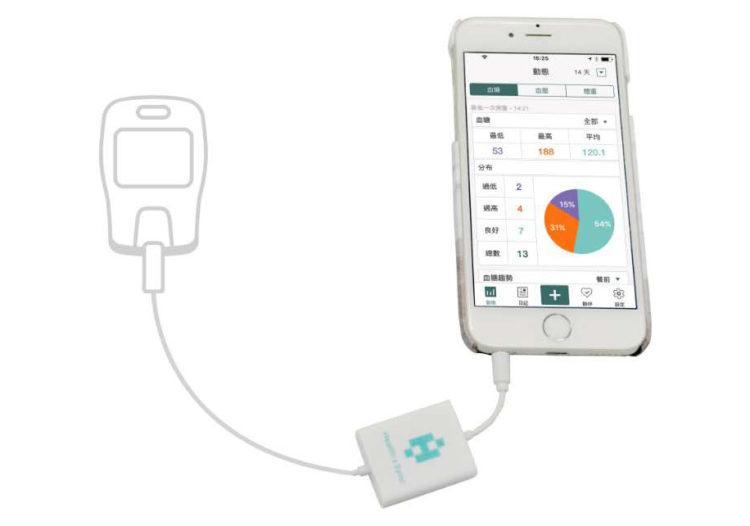
Health2Sync app and cable. Image credit: Health2Sync
With this data, the Health2Sync app works as a diabetic diary. Whereas a traditional glucometer is good for spot checks and might include some time-logged records, the app is able to track a user’s blood sugar in a data-rich context.
It seems like a niche product, but 400-plus million potential users are nothing to scoff at.
The Health2Sync dongle works with a wide array of glucometers and can also be scrapped entirely in favor of a user manually entering their sugar levels.
The app can also monitor particular trends. If, for example, someone’s sugar levels are repeatedly low before lunchtime, then the app can notify the user, who may want to increase their intake of orange juice. Health2Sync isn’t allowed to diagnose conditions or recommend any medication changes due to laws in Taiwan and abroad, but every bit of data allows people to make more informed choices about their health.
Ed says that in Europe and the United States, doctors place an emphasis on diabetes patients learning to monitor their own sugar levels and taking charge of their daily regimen.
“But in Asia, patients don’t have access to that education. They may have access to doctors once every quarter or every month, but they don’t learn to self-monitor,” he says. “We want to build a complete solution that not only captures data but can close the loop in providing this education that will help them self-monitor and self-manage.”
Getting doctors onboard
An Asia-wide problem





Stay updated on the go with our mobile app.
Get latest insights with smoother, more personalized experience through TIA mobile app.