Photo credit: Shutterstock
The beast has arrived.
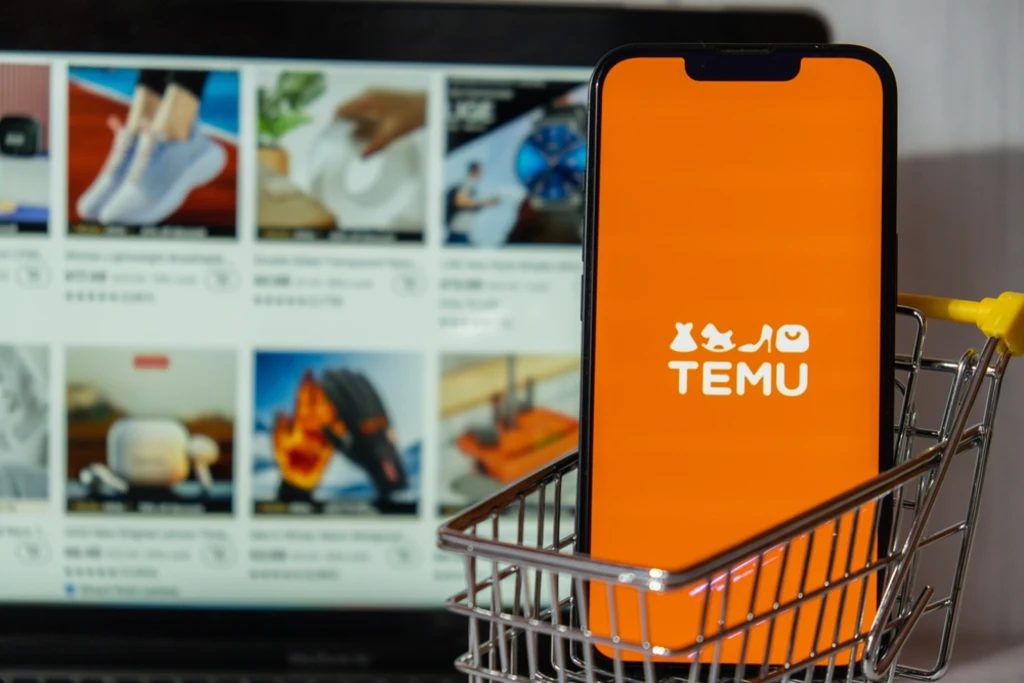
Temu, the sister company of China’s Pinduoduo and Shein’s most notable rival, has finally landed in Southeast Asia, making its first stop in the Philippines.
This comes despite earlier suggestions by some analysts that the platform’s low-priced strategy won’t work in this part of the world, where consumers are already having plenty of other alternatives to buy inexpensive Chinese goods.
As of now, Temu is now present in 38 markets, an impressive feat compared to Shopee’s presence in 11 countries.
Jianggan Li, founder and CEO of venture builder Momentum Works, puts Temu in the same group as Shein and TikTok Shop, calling them “insurgents” who are “collectively disrupting the global ecommerce order.”
“While in the short term the assortment overlap with Shopee and Lazada is limited, the incumbents nonetheless face a tough battle,” he tells Tech in Asia. “These insurgents have not only the aggression, but strong cash flows from other markets to fund the burn. Shopee especially has nowhere else to escape to but to engage and defend.”
Angus Mackintosh, founder of CrossASEAN research, explained to Tech in Asia that Temu’s short-term impact of Temu on this region’s ecommerce landscape is unclear.
“I think it is too early as the company has get to enter the Indonesian market. There is also no certainty it will succeed,” he says.
“Shein is a good example of a platform successful in the US that failed first time around in Indonesia. Temu may also face issues with government issues with Chinese internet companies encroaching on Indonesian MSMEs with cheap Chinese imports,” Mackintosh adds.
On that note, it’s D2C players, ecommerce aggregators, and social commerce startups that need to be on “high alert,” observes Sheji Ho, co-founder and former chief marketing officer at aCommerce. “They often compete in the same categories, with many of their products also made in China,” he says.
In addition, an economic recession “bifurcates spending towards super low and super high-end,” notes Ho, who is now co-founder and CEO of healthtech startup HD.
Momentum Works recently estimated that TikTok Shop would capture 13.2% share of the ecommerce market in Southeast Asia this year, while Shopee will lead with 46.5%.
For the second quarter of financial year 2023, Shopee continues to be a bright spot. Apart from staying profitable, it also generated about 68% of Sea’s total revenue for the period. But it remains to be seen whether its momentum can be sustained, especially now that it faces competition from TikTok Shop and Temu.





Stay updated on the go with our mobile app.
Get latest insights with smoother, more personalized experience through TIA mobile app.