- Insights This article was written by a TIA community member. Insights pieces undergo the same rigorous editorial process that newsroom-produced articles have.
 Kuzhali Nandagopal · · 5 min read
How a new rule to make wallets interoperable will change digital payments in India
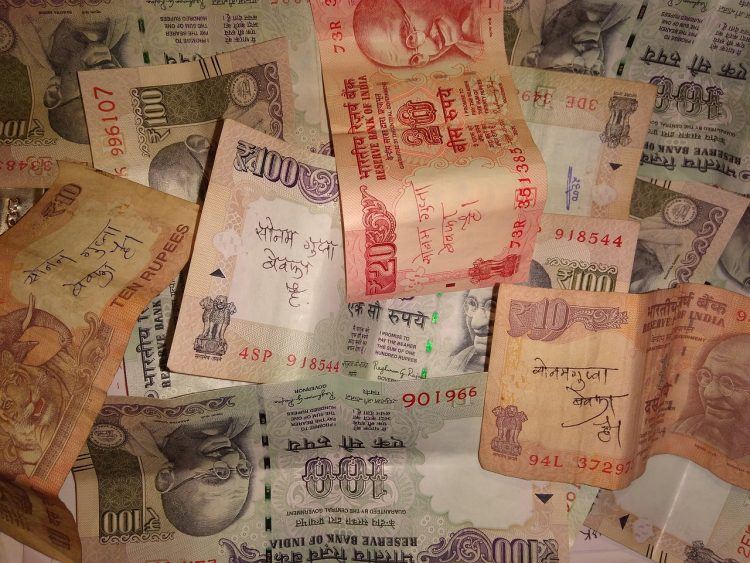
Photo credit: Pixabay.
Mobile wallets have made life more comfortable. But what could make them better would be the ability to transfer money from one mobile wallet to another (i.e. interoperability).
Mobile wallets are just one of the several prepaid payment instruments (PPIs) available in India. PPIs enable the purchase of products, facilities, financial services, payment facilities, etc. However, it is quite a hassle to use different service providers of wallets for various merchants and we end up paying with our cards or good old cash.
The need for PPI interoperability
There are currently 53 PPI license holders in the country. However, the Central Bank of India believes that only 50 percent of these are active and registered as merchants. The maintenance and regulation of several PPI license holders can pose several regulatory issues. Currently, both the consumer and the vendor need to have the same mobile wallet to make payments, which restricts the payment options the wallets can offer.
And since not every vendor has the same mobile wallet as the consumer, consumers have to either pay in cash or use their credit card, which defeats the entire purpose of having prepaid wallets. Likewise, if a business had signed up with one provider, it could not make a payment using another service provider.
To allow for the seamless digitization of the economy, interoperability between PPI instruments is necessary. Until September this year, interoperability was probably just a wish, but it became a reality when the new bi-monthly mandate from the Reserve Bank of India (RBI) was released.
RBI issued the new mandate after due consideration of the developments in PPI and the progress made by license holders. It also seeks to foster innovation and healthy competition, ensure customer protection and safety, and provide for synchronization and interoperability of PPIs. The new rules apply to all PPI issuers—banks, non-banks, system participants, and providers.
Proposed road map
The proposed interoperability was welcomed enthusiastically, but it will apply only to KYC-compliant wallets. The central bank aims to offer interoperability in three phases.
In the first phase, wallet issuers (i.e. banks and non-banks) will make all KYC-compliant wallets interoperable using the Unified Payments Interface (UPI) within six months since the mandate’s release. From a user’s perspective, this means that you can easily transfer money from your Paytm account to an Amazon Pay account if you are KYC-compliant.
In the second phase, transactions between bank accounts and wallets through UPI will be allowed. This will let you re-transfer money from your wallet to your bank account without extra charges. Currently, most wallets charge around 4 percent to direct money back to your bank account.
In the third phase, interoperability for wallets issued as cards will be allowed, but banks may still issue prepaid instruments in partnership with authorized card networks. Wallets issue cards and usually tie up with banks, just like ItzCash. But with the new rules, wallet companies may not need to partner with banks and can simply sign with a card network. Whether the RBI will permit cash withdrawals through such cards is still unclear, as the guidelines for operations will be announced separately.
Other things to know
- KYC compliance will be mandatory. The RBI has asked for minimum KYC-compliant wallets to be made into entirely compliant accounts by next year or October 2018 for existing accounts.
- The minimum net worth needed for a company to offer PPIs has been increased to nearly US$775,000 withat least a US$2.3 million positive net worth in three business years. After that, these PPI issuers will have to maintain this level.
- International outward transactions through wallets that weren’t permitted earlier will now become possible only for current account transactions under the Foreign Exchange Management Act (FEMA) of India. The per transaction limit for each PPI can’t be more than around US$155, while the monthly limit can’t exceed US$755.
- PPIs cannot offer interest on balances maintained in the wallets.
- Cash withdrawals from bank-issued open system PPIs are still permitted, though the limits have been modified. Rural users can withdraw up to US$31 from PoS terminals, while others can withdraw up to US$15.
- Stricter norms and zero or minimum liability for customers will be set for security. There will also be mandatory audits and an additional factor for authentication for PPI cards (e.g. restrictions on multiple invalid login attempts).
Pros of PPI interoperability
Access to more financial services
Cons of PPI interoperability
Will PPI interoperability pave the way for new business models?





Stay updated on the go with our mobile app.
Get latest insights with smoother, more personalized experience through TIA mobile app.