 Nadine Freischlad · · 6 min read
How a new breed of startups is cracking rural ecommerce in Asia
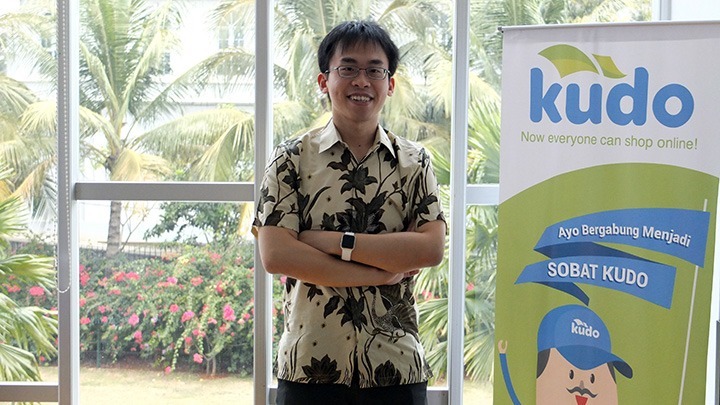
Kudo co-founder Albert Lucius at the Kudo office
“Think about it: people in Indonesia’s second- or third-tier cities actually have to pay more for their goods.” With this opening statement, Albert Lucius, co-founder of Kudo, had my attention.
It’s true. Even buying a bottle of water in a remote place is more expensive than in the capital. This isn’t about “tourist prices.” For, say, a rice cooker to reach a rural market, it has to pass through many hands. Each time it changes ownership, a margin is added, with transport and storage costs on top. The complexity of bringing goods to remote areas also leads to a limited selection. Only what’s guaranteed to sell well will make the journey.
This is what makes ecommerce so attractive to small town Indonesia, Albert explains. Rather, this is what makes small town and rural Indonesia so attractive to ecommerce. Online vendors see millions of new potential customers. Offering them a wider range of products at a lower price ought to be an easy sell.
Yet, less than 1 percent of Indonesians take advantage of online shopping. The problem is a technology and trust gap. Even as mobile connectivity and smartphone penetration are on the rise, the vast majority of people still don’t buy online. Connectivity is unstable, systems are too complicated, and about 80 percent of the population can’t do online transactions because they don’t even have a bank account. Indonesia’s so-called “e-friction score,” meaning barriers limiting effective internet use, is one of the highest in the region.
This situation persists not only in Indonesia, but all across developing Asia from India to the Philippines. As diverse as these countries are in culture, language, religion and political systems, they all have one thing in common: a large chunk of their population can’t reap the benefits of online tools, let alone participate in the digital economy.
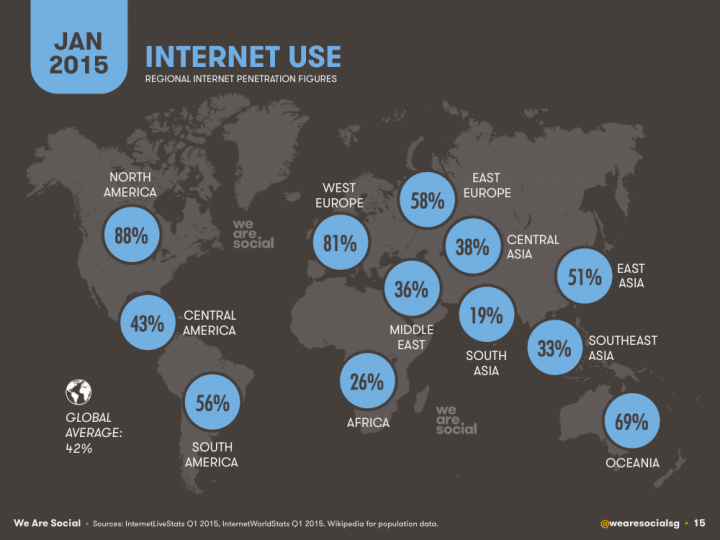
Despite fast growth, internet penetration in South and Southeast Asia still ranks lowest in the world, along with Africa. Source: We are Social
Startups like Kudo recognize that a human factor is needed to help people on the fringes of the internet overcome e-friction. So, they leverage a network of agents to assist with online transactions. Kudo is part of a new breed of tech companies taking hold in developing Asia. And they are built on the back of an Asian institution: the mom-and-pop store.
Call them kirana, sari, or warung: this is where Asia shops
Individual convenience stores that sell goods for daily consumption such as beverages, snacks, soap, coffee, and cigarettes, exist anywhere in developing Asia. In India, you call them kirana. In the Philippines, sari-sari. In Indonesia, we know them as warung. They are extremely widespread and can be found even in the remotest of corners.
Shopkeepers operating such stores in Indonesia are the target audience for Kudo’s product. The startup equips them with a Kudo tablet, explains how to use the software, and from then on, their little shop with its limited product range is transformed into a fully-fledged mall. The Kudo interface displays products like clothes, cosmetics, food, and branded fashion. A shopkeeper is encouraged to help customers browse through the options, give recommendations, and point out available deals.
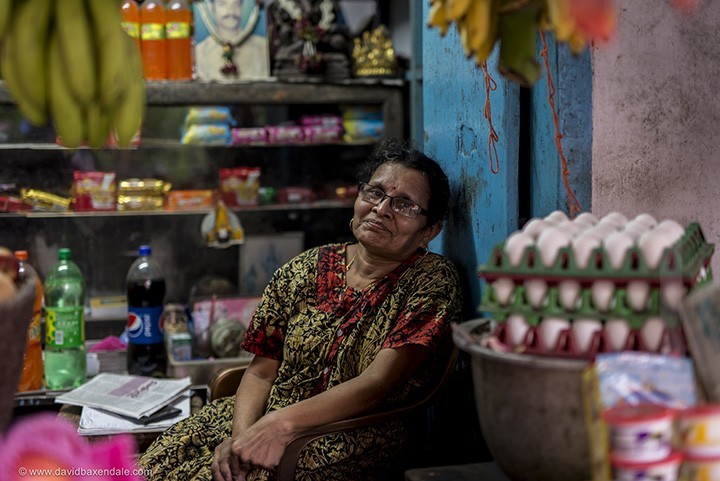
Kirana store in India
The advantage of working with shopkeepers is that they usually have a trusted position within their community, explains Arnold Saputra, user experience (UX) designer at Kudo. And shopkeepers go the extra step to familiarize themselves with a new system, if it enhances their sales. “They are also used to dealing with transactions, and usually have a bank account,” says Arnold.
An operating system, not an app
User experience begins offline





Stay updated on the go with our mobile app.
Get latest insights with smoother, more personalized experience through TIA mobile app.












📅 Upcoming Events
22 October 2026
Payoneer x CSPN Summit 2026