Guest Contributor · · 7 min read
8 Tips to Setting Up Your Food and Beverage Business in Singapore
Updated: 25th March 2012
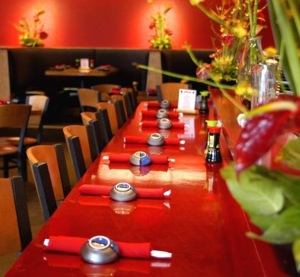 The Food-and-Beverage (F & B) services industry is booming in Singapore, having seen phenomenal growth in the past 5 years. From 4,489 establishments in 2005, the number has surged significantly to 6,197 in 2010.
Increasingly, students from renowned Singapore institutions such as ITE and SHATEC look forward to honing their entrepreneurial skills after graduation by setting up their own F&B brand names. This trend could be attributed to the swell in media attention placed on the F & B industry in recent years.
Mega-Exhibitions, Food Fairs and variety shows revolving around culinary themes, interviews, and success stories are ubiquitous on local and international media. Stories of aspiring individuals abandoning their established professional careers in their foray into F & B businesses are not uncommon.
Among the myriad of issues to address in the setting up of cafés and restaurants, even professional chefs and seasoned entrepreneurs, have missed out on critical aspects in the setting up of their F & B businesses. In that respect, proper guidance from the experienced in the field is crucial hopefully, this article will provide the many entrepreneurial and aspiring individuals with necessary information to kick-start their exciting journey into the F & B industry.
Some areas of concern that any budding entrepreneur should look into include:
1. Business Administration
Have you registered your business entity with the Accounting and Corporate Regulatory Authority (ACRA) Singapore?
Have all the necessary government-related licenses been applied for? These include licenses to commence food businesses and/or liquor licenses (if you are intending to provide alcoholic products as part of your food business). While these licenses are not immediately necessary, you are encouraged to at least have knowledge of what is required for your particular type of food business.
2. Competition Analysis
Just like starting any other business, ensure that you have studied your competitors well enough. You should have an in-depth understanding of the market you are entering. From the information that you have gathered, you can then proceed to strategize your operational and marketing approach.
Many F & B establishments in Singapore build their reputation around innovative and creative presentations and concepts. What is yours?
3. Market Analysis and Survey
From the information you have gathered on your competitors, identify the market segment that you wish to target and analyze how your brand should be positioned in that market. You are also encouraged to embark on a survey to find out more about the market segment that you intend to target. Information such as spending habits, taste preference and demographics are vital to the way you tailor your food and services to meet market expectations.





Stay updated on the go with our mobile app.
Get latest insights with smoother, more personalized experience through TIA mobile app.