Christopher Quek · · 4 min read
3 startups on the pros and cons of licensing IP from Singapore institutions
To many entrepreneurs, the words “commercializing IP” (intellectual property) may seem foreign. However, there are many benefits to doing it, as I discussed previously in another article.
But what does it really look like to go through this process? I spoke with three startups who have commercialized IP from institutions and asked them for their insights.
Personal experience commercializing IP
Working together
Ming Jie Tan is one of the co-founders of DeNova Sciences, a venture using artificial in-vitro skin to replace animal testing in the cosmetics industry.
They started their venture by using the artificial in-vitro skin model, an IP technology licensed from Nanyang Technological University.
Since he was co-developing this IP during his graduate years, licensing back the technology was an ideal start.
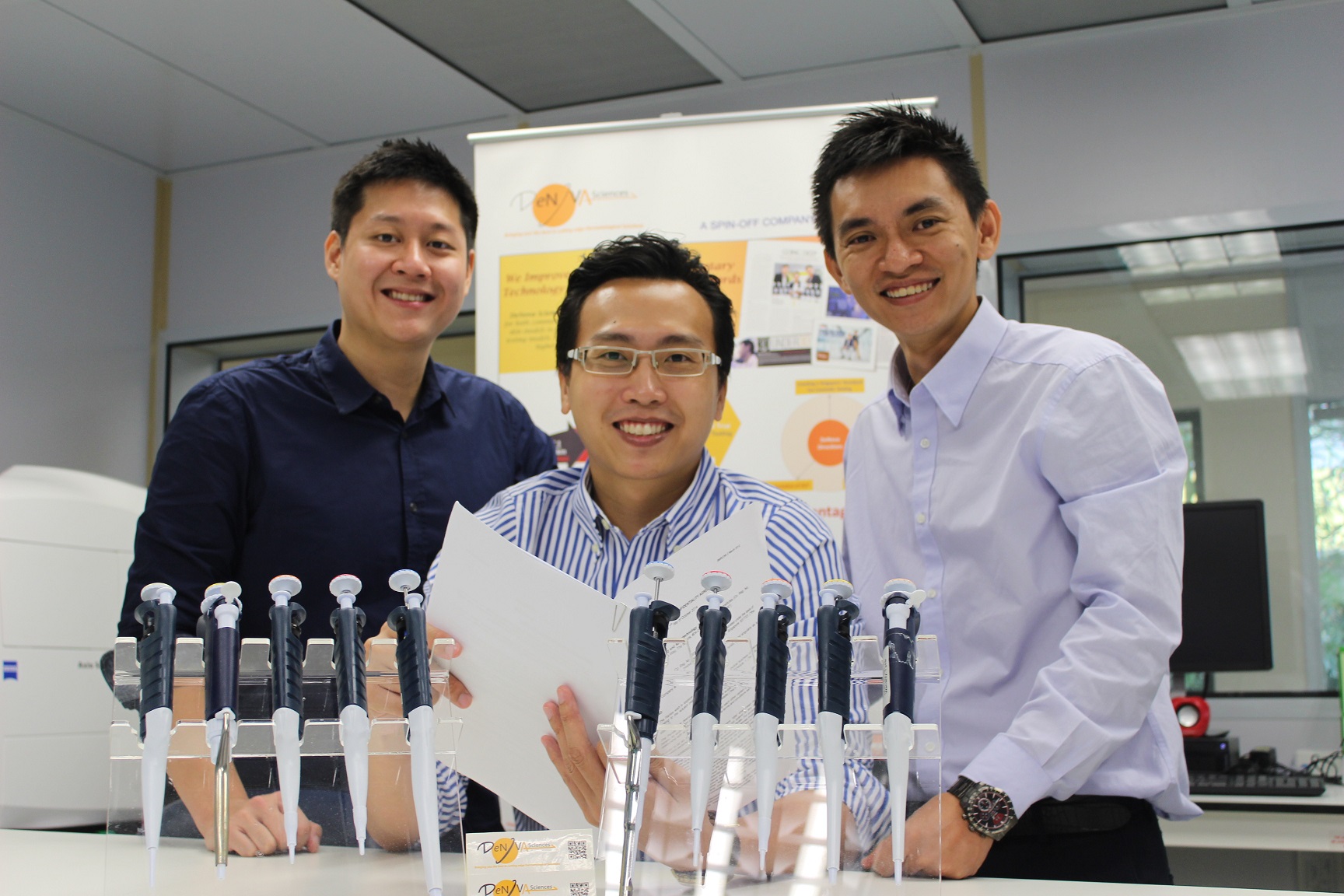
Ming-Jie Tan (center) with his two co-founders.
According to Tan:
“We have worked with NTU to produce DeNova’s dry skin model, which was among the first few models we created. […] This is filed as a know-how with NTU and we licensed it exclusively. We are now expanding beyond the original IP to build more IP that belongs to [us].”
No need to reinvent the wheel
Ben Fones is the co-founder of Subnero, a company providing solutions for underwater wireless networked communications. This entails using an underwater modem and a highly customizable network stack that adapts to a variety of environments and applications.
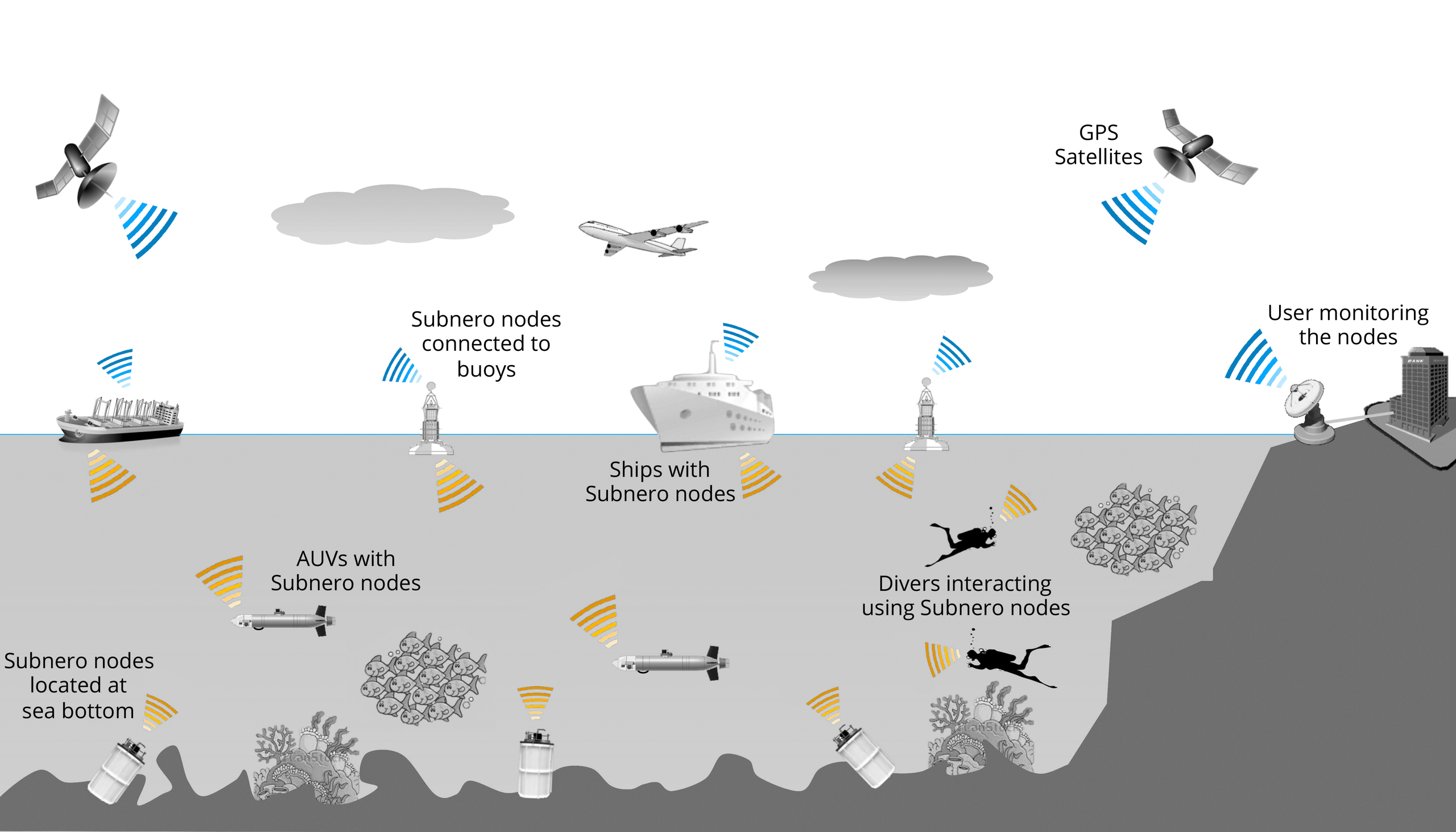
Subnero’s illustration of its technology.
Positive support from institutions
Challenges on IP commercialization
Advice for startups





Stay updated on the go with our mobile app.
Get latest insights with smoother, more personalized experience through TIA mobile app.