There are any number of reasons to begin a game development project. Small projects typically start as a passion, even a hobby, but even these can eventually lead to something much more serious. Maybe you’ve finally landed on an idea that you think can let you make game development your full-time job, or generate some income on the side to support your growing Steam library. However tentative the step may seem, if you stumble forward unprepared, you could end up defeated, jaded, and worse off financially than necessary.
1. Learn to love (or at least use) contracts
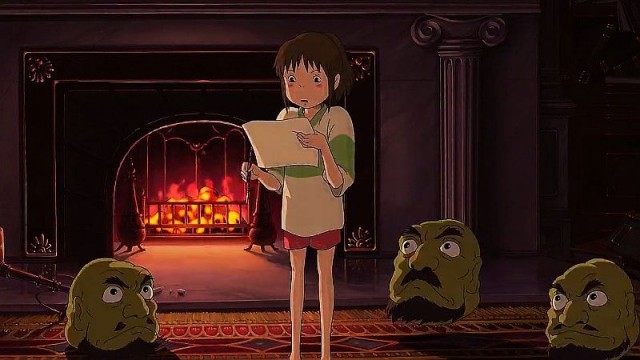
“Sign your name away, and I’ll put you to work.”
Programmers and artists, including writers, assuming they don’t happen to inhabit the same body, will typically need each other in the course of game development. What contracts can do from a transaction standpoint is pretty obvious. You have much more assurance of getting paid for your work, especially if you’ve not used a site like eLance or Fiverr which has some protection for both parties. This applies whether you’re hiring for your own project, or doing outsourced work on another person’s project.
This is all the more important when you’re hiring an artist or writer to work help you with your own project. If you need extra art or writing, have an independent contractor agreement signed by anyone working on the project for you. If you haven’t got a contract in place granting the rights to the artwork you’ve outsourced, the copyright stays with the creator. That PayPal receipt isn’t going help. If you didn’t have one in place, you don’t own the work, your freelancer does, and that’s even if he was working on your ideas.
2. Form a corporate entity

Make sure you’re covered.
It not only looks good on the business card. This could definitely save your ass in some situations. Should that Oculus Rift port of your game end up making people cross-eyed, you could be personally liable if you haven’t established an entity with limited liability of some sort. This is all the more important with the change in Kickstarter’s policy, which allow backers to take legal action if you don’t ship your project.
The best policy is to make good on promises at every corner, but sometimes things happen outside of your control, like someone trying to sue you even for frivolous reasons. While having your business sued is no picnic, it’s much better than having people come after your house, especially if the business itself has no assets.
I won’t pretend to be an expert on this for every country. However, most countries make it relatively painless for their own citizens to start a business. Find out the requirements and get one started. If you happen to be forming a business in a country where you’re not a national, things get much trickier, but not necessarily impossible.
3. Divide the pie now

Your pie may be smaller than Minecraft’s, but divide it wisely anyway.





Stay updated on the go with our mobile app.
Get latest insights with smoother, more personalized experience through TIA mobile app.