 Filbert Richerd Ng Tsai · · 5 min read
Opinion: The Philippines is regulating crowdfunding, but there are issues with the rules
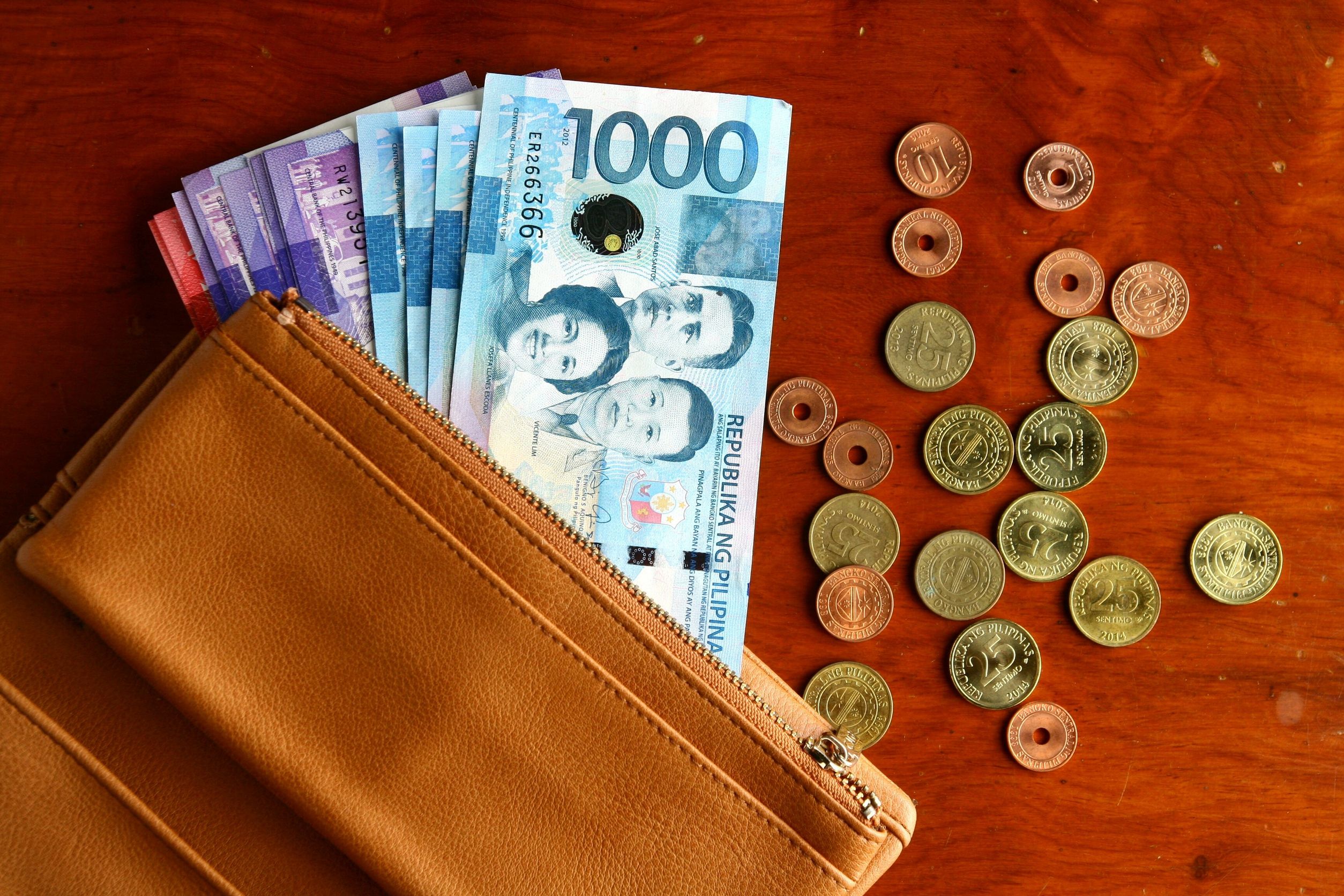
Photo credit: junpinzon / 123RF Stock Photo.
Filbert is a star contributor for Tech in Asia and publishes exclusive, high-value content that serves the Asian tech community. Read more from star contributors here.
The Philippine Securities and Exchange Commission (SEC) recently released a draft of the rules and regulations that are to govern crowdfunding activities in the country. They are soliciting comments from market participants until December 15, 2017.
The SEC created the exposure draft amidst the increasing crowdfunding activity in the country. Firms like Philcrowd, The Spark Project, and the controversial FarmOn community, which the SEC declared was “not authorized to solicit investments,” have been on the rise.
This is in line with a similar pattern globally. Crowdfunding regulations have already begun in countries like the US, the UK, and Thailand.
The exposure draft is a good step forward for the SEC in regulating the crowdfunding market in the Philippines, but many issues in the draft still remain.
Possible issues
Limited definition
The exposure draft defines crowdfunding as a “small or limited scale fundraising activity usually by startups and micro, small, and medium enterprises (MSMEs), using online electronic platforms.”
This definition is very restrictive as far as regulations are concerned. Crowdfunding, while generally made using electronic platforms today, can take shape offline as well. A firm can circumnavigate the rules by simply crowdfunding using alternative platforms such as newspapers or magazines.
The good thing here is that only securities-related crowdfunding is governed by the SEC (as defined in article three of the Securities Regulation Code).
Issue: Only online crowdfunding is addressed in this exposure draft. Its wording needs to be updated with a term for “online platforms” and address that it is only one of the means to fundraise via crowdfunding.
Low threshold for exemption
The exposure draft names three main parties in a crowdfunding activity:
- Issuer: This refers to the originator or creator of the security.
- Intermediary: This refers to a registered broker, investment house, or a funding portal which mediates the offer and sale of crowdfunding securities.
- Investor: This refers to any investor or any potential investor in a crowdfunding activity.
Pros
Why this matters
Stay updated on the go with our mobile app.
Get latest insights with smoother, more personalized experience through TIA mobile app.




📅 Upcoming Events
22 October 2026
Payoneer x CSPN Summit 2026