 Mary-Anne Lee · · 4 min read
The 3 things Pocket Playlab thinks an indie studio needs to focus on
Once upon a time, Pocket Playlab was a small studio in Bangkok that had nearly run out of funding. Today, it has two studios under its belt, is a Rovio Stars partner, and has over one million active users in its games.
But how did Pocket Playlab climb back up from the brink of almost-bankruptcy? At our Games in Asia Bangkok meetup, CEO and co-founder Jakob Lykkegaard shared three focuses the studio needed for its success.
(See: Juice Cubes: Hong Kong-made puzzle game gets a huge boost as it’s published by Rovio)
Focus on the core business
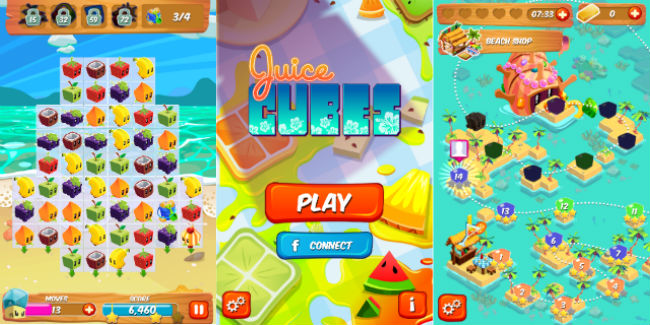
Pocket Playlab doesn’t do work for hire. It doesn’t do customized work. It doesn’t say yes to just everything, and boldly enough, it also doesn’t listen to its investors. Lykkegaard shared that when the studio was just starting out, it was doing work for hire and working on its own games on the side. However, working primarily on apps for other people took away its focus on its own IP.
The day Lykkegaard and his two other co-founders decided to cut off their work-for-hire arm, they started to burn a lot more money. The company’s existential runway was slashed to just half a year. But the focus and the passion on their own games came back.
Focus on the culture
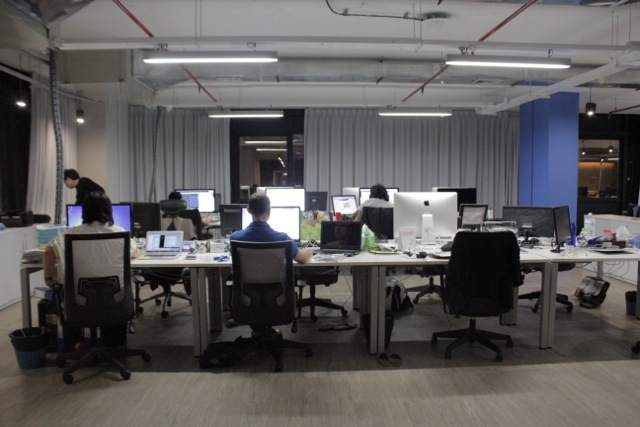
Lykkegaard believes that a better culture can arise from having fewer policies. As a result, the Pocket Playlab studio subscribes to having a flat hierarchy. Game teams have producers with full autonomy when it comes to hiring people, choosing to do outsource work, or even implementing features they believe in but their bosses don’t. Developers at Pocket Playlab are people who can make good decisions and think individually, and the culture ticks because of that.
Folk at Pocket Playlab also believe that everything is their job. “With a game team, you have one goal, and that’s to keep your game successful,” Lykkegaard said. “There are no full command lines. You might have specialities, but everything is your job.”
(See: In 2017, the global games market will be Asian)
mimee





Stay updated on the go with our mobile app.
Get latest insights with smoother, more personalized experience through TIA mobile app.








📅 Upcoming Events
22 October 2026
Payoneer x CSPN Summit 2026