Alan Cooper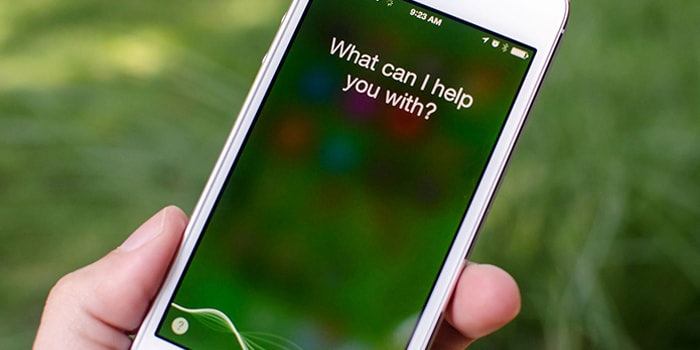
Photo credit: Iphonedigital.
The biggest conundrum in technology is that it’s harder to tell a computer to do something than for the computer to do it. Complex and difficult jobs are fairly easy for digital power to accomplish, but instructing and directing the nuance and intention of that complexity remain an evergreen challenge, thus the rationale for the entire profession of interaction design.
Some people think that the difficulties of directing digital technology will ease dramatically when we perfect the voice interface. In other words, when we can simply talk to our computers, interacting with them will become simple, clear, and easy. This notion has been around for decades, and like a tire fire eternally burning in the foothills, it will never subside. As voice recognition software has gotten better— and it’s pretty good now — the noxious flames mount even higher.
Our imagination glides to a Hollywood vision of effortless and empathetic conversation, and our machines of loving grace respectfully bow as they retire to do our bidding. They become our sentient and willing servants, responding to our verbal commands: “Fix dinner.” “Let Jen know that I’ll be late.” “Increase sales by 10 percent.” “Make sure nobody is spying on me.”
This vision is not just anthropomorphic, it’s fantastic. It’s not just imputing human capabilities onto computers, it’s imputing superhuman ones. Just because we can form a thought in our head, we mistakenly assume that someone else can form that same thought based on some noises we make in our throats.
If giving verbal instructions to people is so fraught, how are we ever going to effectively give verbal instructions to computers?
Just because your computer recognizes the words you say does not mean it understands what you mean. Your spouse, who has lived with you for 20 years, is just now getting an inkling of what you mean when you talk. Your computer is likely never going to understand you for the simple reason that the things you say aren’t really understandable.
The long history of confusion, misunderstanding, and failed human-to-human communications should keep us on notice that this assumption is based on what we want and not on what actually exists. If giving verbal instructions to people is so fraught, how are we ever going to effectively give verbal instructions to computers? Lots of people—me included—think this fantasy world will remain an unattainable chimera.
“Alexa, turn off the lights!” is voice recognition capability that’s already here. It’s cool, it’s fun, and it amazes your friends! It’s not a killer app but it is what the technology can do today, so we will see oceans of similar behavior in the near future. Of course, the unintended consequences of every cheesy appliance in your household having built-in voice recognition is remarkably easy to foresee.
“Alexa, turn off the lights!”
“Not those lights!”
“No, the other lights!”
“Alexa, just the lights in the garage!”
“No, Alexa. Turn them off, not on.”