
Last year, I wrote a piece about 10 things that the startup community in Vietnam needs to save the startup scene and since that time, the ecosystem has changed considerably. Mentors have come out of the woodwork, startups are more serious, investors are more careful, and even some previously smaller startups have risen to a mid-sized level. New battles are also being pitched in areas from ecommerce to mobile to booking services. In other words, Vietnam’s ecosystem is showing signs of maturity.
At the same time, we’ve been growing our Vietnam editorial team. We’ve been sifting through events, emails, and coffee chats through a whole new generation of startups. And although the ecosystem has seen some new robustness, there’s still some serious problems with Vietnamese startups that founders, employees, and leaders in Vietnam’s ecosystem will need to address before Vietnam can really get to the next level.
What does the next level mean?
Currently, Vietnam’s ecosystem is dominated by the shadow of VNG, whose valuation in some cases is rumored to be as high as $1 billion. This is followed slowly by two other giants: Vat Gia and VC Corp, who both hover around the $100 million valuation level. Behind them are a handful of startups that range in valuation from $10 to $30 million like Tiki.vn, Appota, mWork, Topica, Hotdeal, Vietnamworks, and others. But below them is a host of startups that are struggling to even crack the $1 million ceiling. Getting to the next level means getting to where VNG is. Can Vietnamese startups do it?
As I’ve talked to investors, founders, and young startups, I’ve noticed some themes that many of these young startups embody. I think Vietnamese startups today, although more mature and vibrant than ever before, are still naive. When I ask a startup why they’ve entered into ecommerce, and their response is “because it’s a trend these days,” I know there’s something wrong. When I meet a new startup that has a product they’ve worked on for six months, but has no idea of how to make money, I worry. As Le Hong Minh, CEO of VNG, is oft to say, “getting to understand exactly why you are an entrepreneur and who you are in the midst of that are very hard and profound questions. They are not easy to answer.” Clearly, young Vietnamese startups need more depth.
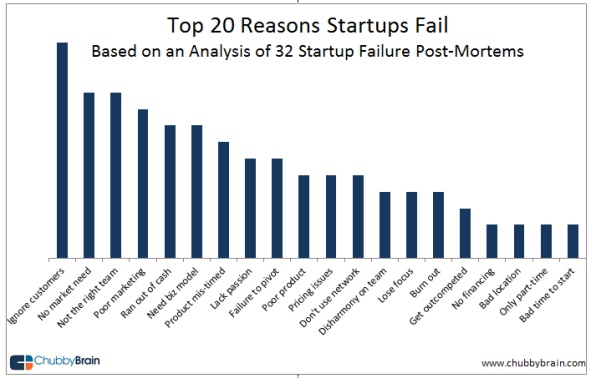
So, for your reading pleasure, I’ve condensed all the criticisms and insights I’ve heard over the last few years concerning what Vietnamese startups need to take seriously. Many of these things will impact all startups, some will only impact a few.
1. Experience
Of course, Vietnam’s new wave of startup founders are young (many only recently graduating from university). But that has a retroactive effect on the startup output. In one metric, it was determined that the most successful startups are started by people around the average age of 28.5 years old. That means that it takes a few years in the corporate world before you have the experience, mettle, and tactical mind to build a successful startup. This lack of experience affects everything. Younger folks, although energetic and spirited, will not be able to see their blind spots and will likely not be able to see their own startup from a broader view. And the most important aspect of experience is failure. Founders that have failed know better how to deal with failure. If they’re good, they know when not to give up. The younger you are, the easier it is to give up too soon.
2. Relationships
Relationships are the tip often not written about but softly spoken of behind closed doors and amongst colleagues. But this is one of the number one thing that startups needs, and especially what young startups lack.
Vietnam is a minefield. It’s not clear how the legal system might punish you, and it’s not clear where you may do wrong. A relationship with the right person, be it political or business, may be the difference between survival or bankruptcy. If your relationship consists of professional business people who have successful businesses before in Vietnam, you can be sure that they will be able to guide you through moves that make sense for Vietnam. It’s even better than having an MBA. A relationship can make or break your business. Some of Vietnam’s top startups have been able to make it because of relationships. Never underestimate it, and cultivate your relationships carefully and thoughtfully. Relationships will help you get funding, help you navigate legal issues and policy, will help you make deals, and get partnerships. Relationships will protect you.
3. Understanding exits and what investors really want
I got 20 problems but a startup ain’t one





Stay updated on the go with our mobile app.
Get latest insights with smoother, more personalized experience through TIA mobile app.