Paul Bischoff · · 2 min read
This 1-year-old ecommerce and microlending startup could be China’s next unicorn

Rent-to-own gadgets startup Kuaile Shidai is barely one year old, and it’s burning through investors’ cash at an exponential rate. 36kr reported today the company has secured almost US$100 million in series D funding led by Kunlun Worldwide, a Chinese online and mobile game publisher. Kunlun reportedly sank US$62 million into the latest round.
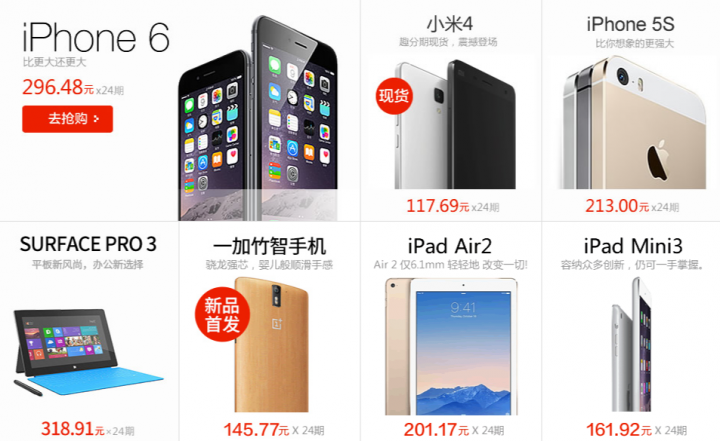
Kuaile Shidai’s flagship site Qufenqi is one of several ecommerce startups that sells gadgets to customers using monthly installment plans. Its biggest competitors are 99fenqi and Aixuedai, both of which have received their own multimillion-dollar investments in recent months.
In an internal email leaked to 36kr last week, founder Luo Min told employees the company will soon gain "unicorn" status, which means its valuation is nearing the US$1 billion threshold.
Qufenqi was founded in March 2014, raised an undisclosed seven-figure dollar series A in April 2014, took home a US$25 million series B in August, and completed its US$100 million series C round in November.
See: China’s rent-to-own gadget startups booming as yet another one secures funding
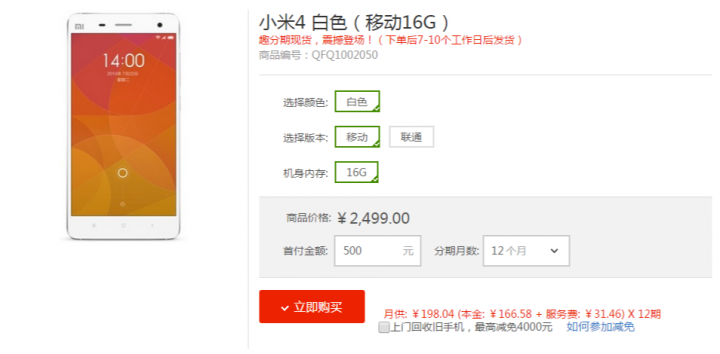
Besides phones, cameras, laptops, and other electronics, Qufenqi also has luxury fashion goods and sports gear. Most of its offerings are sourced from major online retailers and marketplaces like JD, Tmall, and Taobao. Shoppers can set their own down payment and make monthly installments for up to two years.
Kuaile Shidai used its previous round to launch and expand Laifenqi, a sister site for small loans.
This month, Qufenqi expanded beyond its rent-to-own roots to become a marketplace for wholesale goods. Aimed at colleges, it now sells snacks and household products in bulk through wholesale merchants so students and those living near universities can set up their own campus mini-shops, dubbed "Qudian". These goods are also sold through a microloan model.
Kuaile Shidai reports 10,000 students have already applied for the Qudian program, and it hopes to support 100,000 students with RMB 500 million (US$80.6 million) in subsidies over the next three months.





Stay updated on the go with our mobile app.
Get latest insights with smoother, more personalized experience through TIA mobile app.