- Premium Content It takes our newsroom weeks - if not months - to investigate and produce stories for our premium content. You can’t find them anywhere else.
 Samreen Ahmad · · 6 min read
As tariffs bite, ecommerce roll-up firms get creative
Singapore-based ecommerce aggregator Rainforest may be “one of the most affected” by US President Donald Trump’s tariff hikes, but its founder JJ Chai isn’t panicking.
Of the 15 brands operated by Rainforest, 90% sell to US consumers via Amazon and with goods mostly sourced from China.
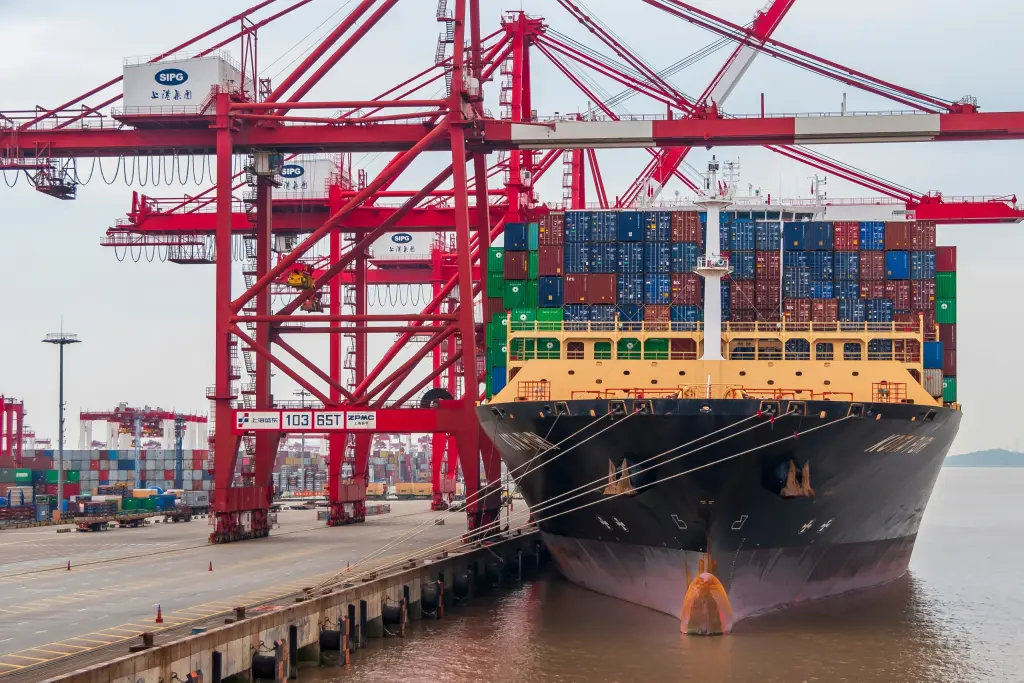
Yangshan port in Shanghai, China / Photo credit: ambient_pix / Shutterstock
His firm is but one of the many ecommerce aggregators strained by the rising cost of imported goods in the US. Many of these players expanded rapidly during the Covid-19 pandemic by “rolling up” brands and consolidating them under one umbrella, but now they face slowing consumer demand.
Increased commissions by marketplaces like Amazon had already squeezed profit margins, and the new tariffs threaten to shrink these even more.
So far, pressure from Trump’s new measures have prompted Rainforest, whose brands are mostly in the mother and baby category, to sunset two underperforming labels. Some of the products from those affected will be merged into its other brands, Chai says.
While President Trump has said that the final tariff rate on China could come down “substantially” from the current 145%, Chai says his team is working with the mindset that this won’t be rolled back.
Uneven impact
In a LinkedIn post in April, Kiren Tanna, former CEO and co-founder of roll-up firm Una Brands, shared that tariffs imposed by the Trump administration could erase the margins of brands that source their goods from China, if their pricing remains unchanged. That’s even before taking into account salary and logistics expenses.
The effect on businesses will vary depending on where portfolio brands source their goods, their main target markets, and the categories they operate in.
Tanna, in his LinkedIn post, noted that categories like home, baby, pets, sports, and gardening were “particularly vulnerable,” as they rely “almost exclusively” on Chinese supply chains.
Photo credit: 123RF
In contrast, aggregators that are focused on their home markets – like Una Brands and Indonesia-based Hypefast – could be better positioned to weather the tariff changes.
These types of players are largely insulated from the revised tariffs, which disproportionately affect companies with significant exposure to American consumers.
Cushioning the blow
Bypassing tariffs
Stay ahead in Asia’s tech landscape
This is premium content. Subscribe to read the full story.
Sunsetting underperforming brands, raising prices, engaging dropshippers – firms are trying them all.
We know this is not ideal. ⌛ Sign up in 20 seconds. Cancel anytime.
Our subscriber community includes professionals from these companies:





Stay updated on the go with our mobile app.
Get latest insights with smoother, more personalized experience through TIA mobile app.








📅 Upcoming Events
22 October 2026
Payoneer x CSPN Summit 2026