- Insights This article was written by a TIA community member. Insights pieces undergo the same rigorous editorial process that newsroom-produced articles have.
 Tomas Skoumal · · 5 min read
Banks pour billions into AI, but most see no ROI. Here’s why
The private banking divisions of banks have long struggled to serve customers other than ultra-high-net-worth individuals. Tasks like portfolio research, client profiling, and compliance are simply too time-consuming to offer to any but the richest clients.
This constraint has remained despite the rapid expansion of mass affluent households across high-growth markets. In turn, it has created a big opportunity for premium banking services, yet the industry has been unable to tap it.

Image credit: Timmy Loen
AI co-pilots have emerged as a solution to this supply and demand mismatch. However, the gap between promise and revenue is wider than most banks want to admit. Here’s why.
Success stories and blockers
Some banks are applying AI within their private banking units and making revenue gains.
DBS in Singapore, for example, secured S$1 billion (US$786 million) in economic value from its AI initiatives in 2025. That’s up from S$718 million (US$564 million) in 2024, underscoring the compounding impact of AI-augmented financial advice.
To map where AI use in private banking is and isn’t translating into revenue, a report by Dyna.Ai, GXS Partners, and investment research network Smartkarma draws on executive interviews across Southeast Asia, the Middle East, and Latin America.
One unnamed leading multinational bank found that delivering AI-generated portfolio insights during live client conversations – not in pre-meeting briefs – drove higher uptake and satisfaction, according to the report. This approach reduced prep time for relationship managers by 95% and contributed to 20% year-over-year sales growth.
See also: SG wealthtech platforms chase growth in fractional investing
The distinction between using AI for live client interactions and pre-meeting prep is critical in wealth management, where revenue depends on relationship managers influencing client decisions in real time. Results like these remain the exception, though.
Yet the full findings of the report are sobering. A model can be live within three months, but it can take nine months or more before relationship managers trust it enough to act on its recommendations.
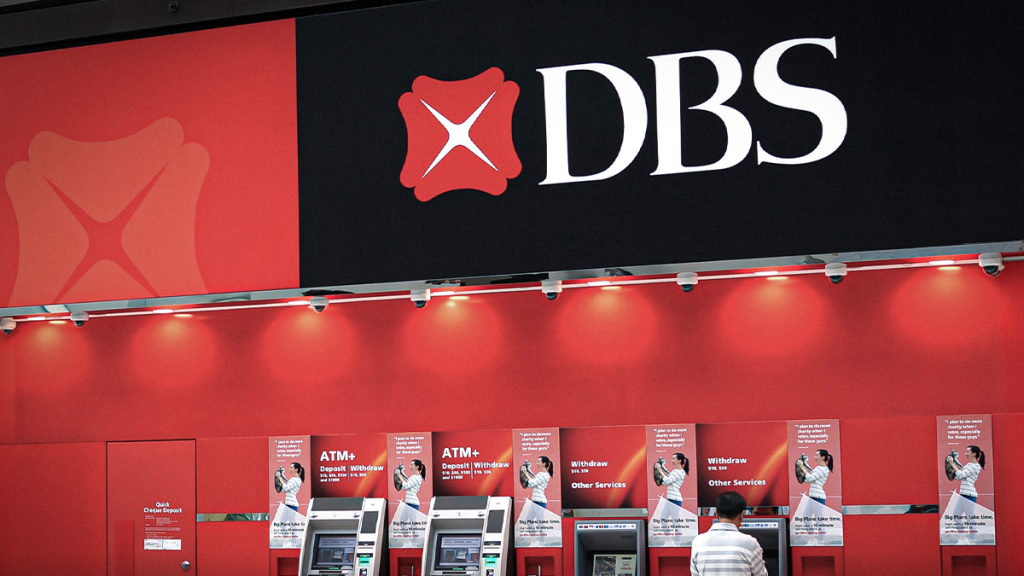
Photo credit: DBS Bank
The single biggest challenge is when the C-suite doesn’t drive AI adoption. AI deployments must be championed by senior leadership to truly create impact.
Risks and dangers
What actually works
Stay ahead in Asia’s tech landscape
This is premium content. Subscribe to read the full story.
AI copilots promise scale, but most never reach the frontline. The difference comes down to workflow and revenue impact.
We know this is not ideal. ⌛ Sign up in 20 seconds. Cancel anytime.
Our subscriber community includes professionals from these companies:





Stay updated on the go with our mobile app.
Get latest insights with smoother, more personalized experience through TIA mobile app.










📅 Upcoming Events
22 October 2026
Payoneer x CSPN Summit 2026