 Jack Ellis · · 3 min read
Zilingo raises $226m from Sequoia, Temasek, others as its B2B profile grows
Could this be Southeast Asia’s next unicorn?
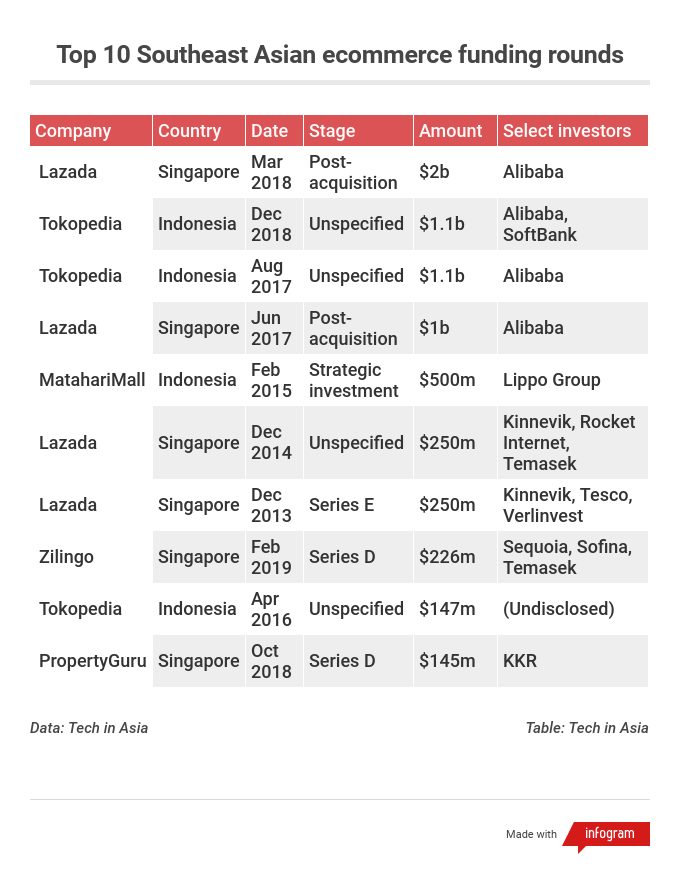
Fashion marketplace Zilingo has just raised US$226 million in one of the region’s largest funding rounds for an ecommerce startup.
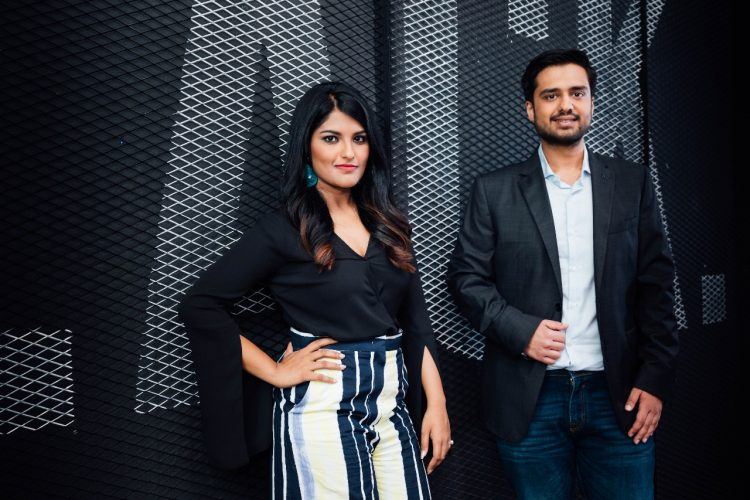
Zilingo co-founders Ankiti Bose (left) and Dhruv Kapoor (right) / Photo credit: Zilingo
Existing investors Sequoia Capital, Burda Principal Investments, and Sofina participated in the series D round alongside several other previous backers. Singaporean state-linked funds Temasek and EDBI also joined the round as first-time investors.
Zilingo said it will use the money for geographical expansion and “long-term value building across the supply chain.”
Starting out as a Bangkok-based online marketplace linking consumers to small-scale fashion sellers, the company – now headquartered in Singapore – has increasingly shifted its focus towards B2B merchant services.
“One thing that’s become very clear to us is there’s a lot of value [in] making the supply chain efficient, instead of giving out discounts and doing crazy marketing,” Zilingo co-founder and CEO Ankiti Bose told Tech in Asia.
The company offers a variety of tech tools for fashion merchants – from procurement and inventory management to social media help, payments processing, and even business financing. Bose said it’s also building “cloud factories” – analog to the centralized cloud kitchens being set up by food-delivery services – to optimize manufacturing capacity and lower costs for its merchant partners.
According to Bose, Zilingo’s net revenue has grown four times since the startup last raised funding in April 2018, with B2B making up about 70 percent of that.
The company saw a revenue of US$1.3 million in the financial year that ended on March 31, 2017, up from US$319,000 from its inception through March 2016, according to its financial filings. Its revenue grew 12 times in the latest financial year, and another fourfold in the April to January window, the company said.
She reckons “it’s fair to say Zilingo is now a supply chain company,” though she doesn’t think it’s appropriate to describe its increased investment in B2B services as a “pivot.”
“We realized that we have to constantly market and discount to make consumers buy, and we realized the other way to do that would be to actually help the merchants price better,” she explained. “It became very clear to us that unless merchants can have better margins, this discount game is an endless rabbit hole. So we said, ‘How do you provide customers with the best products?’ By helping merchants make the best.”





Stay updated on the go with our mobile app.
Get latest insights with smoother, more personalized experience through TIA mobile app.










📅 Upcoming Events
22 October 2026
Payoneer x CSPN Summit 2026