 C. Custer · · 3 min read
One Year Into China’s Real-Name System for Cell Phones, Things Aren’t Going Well
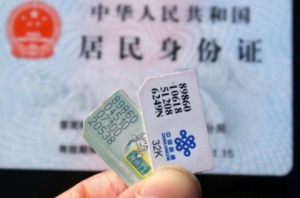 Around a year ago, China implemented a new, real-name registration system for cell phone SIM cards. The idea was that anyone buying a new SIM card (in other words, a new number) for their mobile phone would have to provide their real name and state ID number on their registration documents. The government even forced smaller enterprises like newspaper stands to stop selling SIM cards until they had been trained in the new procedures.
So, one year into this new system, how are things going? Not too well, apparently. A reporter from the IT Times investigated a number of locations in Shanghai and discovered that it’s really pretty easy to buy a SIM card without giving your actual information.
The simplest (and cheapest) method is just to give fake information, or refuse to give any information at all. Most vendors care more about making a sale than they do about this regulation, and if the customer puts up a fuss, they’re not going to argue much. As one worker at a newspaper stand told the IT Times reporter, “there’s no way for us to forcibly check a customer’s ID, so if they’re really not willing to fill it in [on registration forms], all we can do is look the other way.”
Some vendors go a step further. Several of the shops that the IT Times reporter visited told him that if need be — and for the right price, of course — they could arrange cards that were legally registered with someone else’s name and ID number, or fake names and ID numbers. Online, this is even more common. One online vendor proclaimed:
Our SIM cards aren’t recycled from other people, and they aren’t all registered using one name over and over. These are new cards, automatically registered with a fake name and ID number so you don’t have to worry about getting spam text messages or other disturbances.
The same certainly seems to be true in Beijing. We don’t want to get any particular vendor in trouble, but it’s definitely possible to buy SIM cards here without using your real name, and of course, internet sales are available to people living anywhere.
Why aren’t people enforcing the real-name regulations? Ultimately, it seems it comes down to money. Competition in China’s mobile sector is fierce, and if there are customers who want phone numbers but don’t want to give out their info, someone is going to be willing to provide it to them. Many vendors, it seems, would rather skirt the law and make a sale than lose a potential customer over bureaucratic red tape.
This news comes just as China seems to be ramping-up real-name systems in other sectors. On June 1, travelers began having to provide state ID numbers to purchase high speed rail tickets. On slower trains, no ID is yet necessary, but things seem to be heading in that direction. I was myself on a slow train last week where police walked through every car on the train, scanning everyone’s state ID, about halfway through the journey.
There have also been rumblings that Sina and other microblogging providers may implement a real-name registration system for their services. If they do, that would likely be considerably more difficult to circumvent than the current real-name system for mobile phones since all Sina Weibo registrations (for example) are controlled directly by Sina, rather than a loose network of vendors spread geographically throughout the country.





Stay updated on the go with our mobile app.
Get latest insights with smoother, more personalized experience through TIA mobile app.












📅 Upcoming Events
22 October 2026
Payoneer x CSPN Summit 2026