 Steven Millward · · 2 min read
With confusing new phone line-up, Xiaomi veers closer to Samsung than Apple
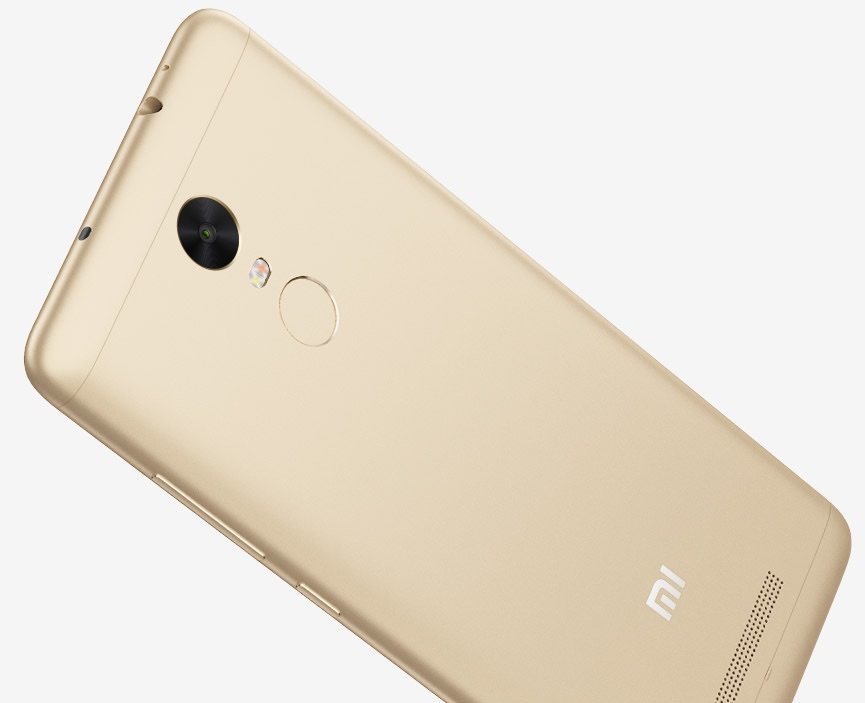
Xiaomi unveiled the new Redmi Note 3 today. It has a fingerprint sensor on the rear.
Xiaomi unveiled a phone today for only US$140 that has a fingerprint sensor: so you can unlock it just like the owner of a fancy iPhone. Yet Xiaomi’s most expensive phone, which starts at US$280 and goes all the way up to US$485, doesn’t have a fingerprint sensor. How does that make any sense?
Xiaomi started out with one model of phone – called Mi – that it updated after one year (to, well, Mi 2). It was a minimal line-up that partially explains how the Chinese startup got branded the “Apple of China.” But a few years on, Xiaomi sells multiple versions of about half a dozen separate phone models. On top of that it has five sizes of smart TVs, four router models, several battery packs, two wearables, lots of different earphones, teddy bears, T-shirts, and more recently a suitcase. Yes, a suitcase. Oh, I forgot the Xiaomi fanny pack.
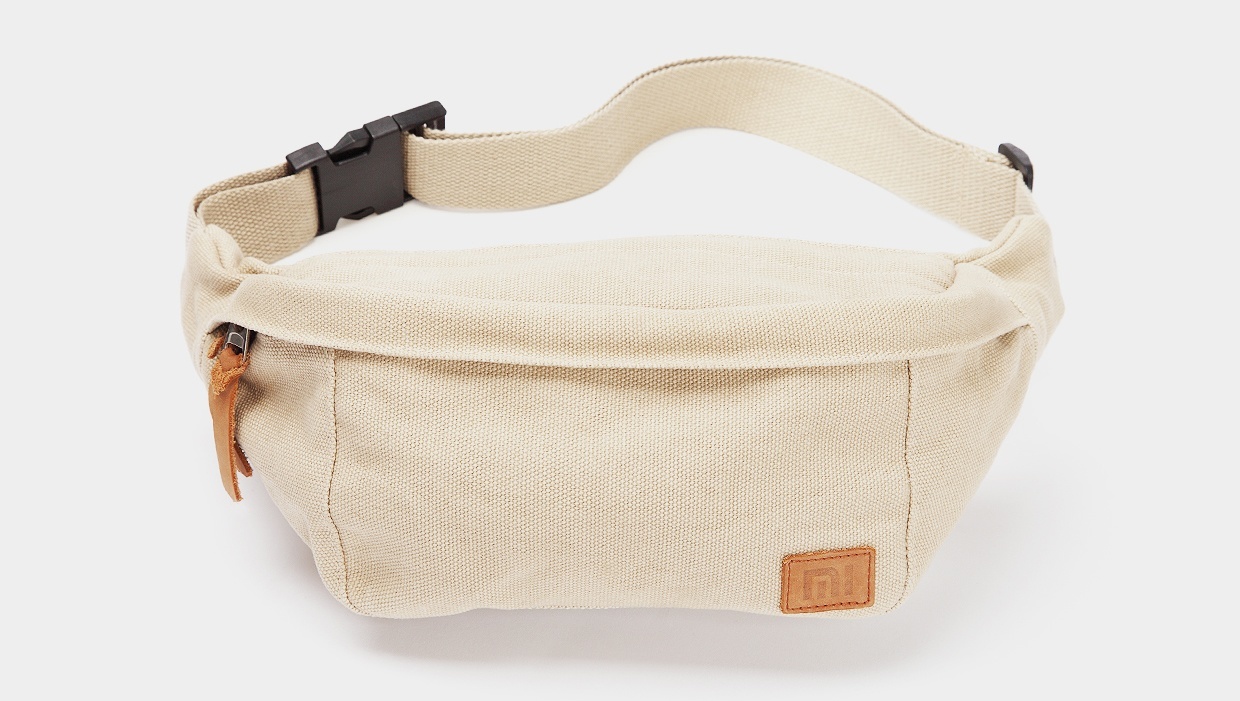
乁( ◔ ౪◔)ㄏ
Xiaomi’s line-up is not quite at a Samsung level of clutter, which resembles the neighborhood hoarder who lives with 27 dogs amid a ton of rotting newspapers, but it’s getting there.
100-day lifespan
Adding to today’s confusion over the fingerprint sensor, the launch of the Redmi Note 3 comes just three months after the Redmi Note 2. People who recently bought the Redmi Note 2, reasonably expecting a 12-month product cycle, might not be too pleased to see that their phone has been replaced so quickly with so many new features for the same price.
Full metal #RedmiNote3 with Helio X10 CPU, fingerprint sensor and 4000mAh battery is priced from RMB 899. Insane! pic.twitter.com/IbV9rbcBTN
— Mi (@xiaomi) November 24, 2015
Another bit of weirdness: the new Redmi Note 3 has a full metal body. The mid-range Xiaomi Mi4c, which costs US$60 more than the Redmi 3, has to make do with mere plastic.
Undoubtedly, Xiaomi will update its higher-end models in due course with a fingerprint sensor and other features that picky consumers now demand – but until that happens, Xiaomi’s pricier phones look pretty bad compared to its bargain basement ones.
Xiaomi’s Redmi series – which covers the standard Redmi, the Redmi Note, and the Redmi Prime – is at the bottom end of Xiaomi’s range, but the budget models are proving to be hot sellers for Xiaomi in China as well as its new global markets. Xiaomi said today that the plasticky old Redmi Note 2 sold 6.09 million units in the 100-day period from launch to getting usurped by today’s newest phone.





Stay updated on the go with our mobile app.
Get latest insights with smoother, more personalized experience through TIA mobile app.












📅 Upcoming Events
22 October 2026
Payoneer x CSPN Summit 2026