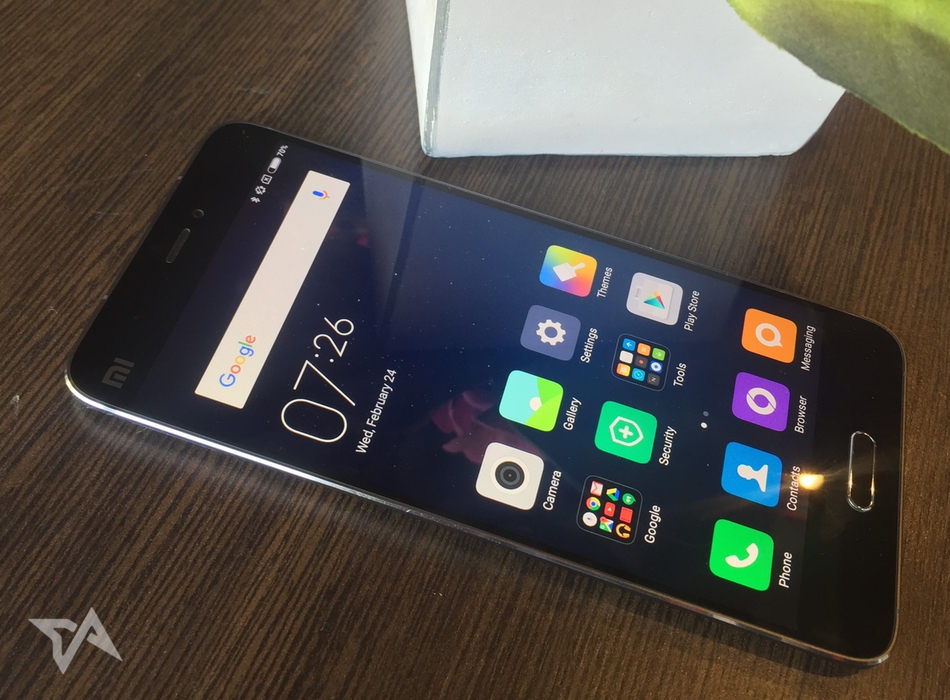
Xiaomi’s newest flagship, the Mi5, is not holding out well against pricier and classier rivals in China’s tough phone market.
The newest numbers in China’s ferocious smartphone market are in – and it’s looking really bad for Xiaomi. The Chinese startup is the biggest loser, dropping from first to fourth place as the former champ loses 38.4 percent of smartphone shipments in the past 12 months.
How did it come to this?
“For Xiaomi, it first created a lot of hype in the Chinese smartphone market when it started shipping smartphones. It was known as being disruptive, shipping phones with high specifications offered at a low cost,” says Tay Xiaohan, a senior market analyst at IDC speaking with Tech in Asia. It was also first in selling phones online through flash sales, creating a lot of hype and media attention when demand exceeded the supply of phones it could pump out.
“Due to its low cost, many consumers were interested in trying these phones out,” says Xiaohan.
But then every other company caught up.
“Thereafter, many other vendors followed suit, creating their online brand and selling phones online through their own website, etc. Selling phones online became normal then and did not gain much traction or attention from consumers anymore,” she adds.
And so Xiaomi, after usurping Samsung to lead the China market in 2014 and 2015, has itself just been dethroned by Huawei, which is the new number one in IDC’s data.
It’s not me, it’s you
To see how Xiaomi’s divergence from Chinese consumers played out, you only need to look at the average selling price of new smartphones in China.
As China hits peak smartphone, a significant number of people have been trading up, pushing up the average selling price of new mobiles in the country. It looks like this:

The average new smartphone in China in 2013 costed just US$207 as most people opted for cheap models. That suited Xiaomi with its best-selling Redmi phones ranging from US$105 to US$150. But then, by 2015, IDC figures show that shoppers typically splashed US$257 per new smartphone as more shifted to pricier devices, including some opting for the iPhone 6. At that price point, Xiaomi’s most important phones had been left behind by shoppers.
“While users are slowly moving upstream, there are still significant volumes seen in the low-end market,” observes Xiaohan.
As seen on TV





Stay updated on the go with our mobile app.
Get latest insights with smoother, more personalized experience through TIA mobile app.












📅 Upcoming Events
22 October 2026
Payoneer x CSPN Summit 2026